Why Nobody Under 16 May Ride a Federated Trail
It can be incredibly frustrating for families who love the outdoors, especially when you have enthusiastic younger riders in the mix, to understand the intricacies of Quebec's off-highway vehicle laws. Many parents dream of hitting the vast network of federated trails with their children, only to hit a roadblock when they discover that riders under the age of 16 are simply not permitted on these public corridors. This guide aims to clear up that confusion, explain the "why" behind this crucial age restriction, and help you navigate the rules so your family can enjoy quad riding safely and legally.
The Core Rule: Age 16 and Federated Trails
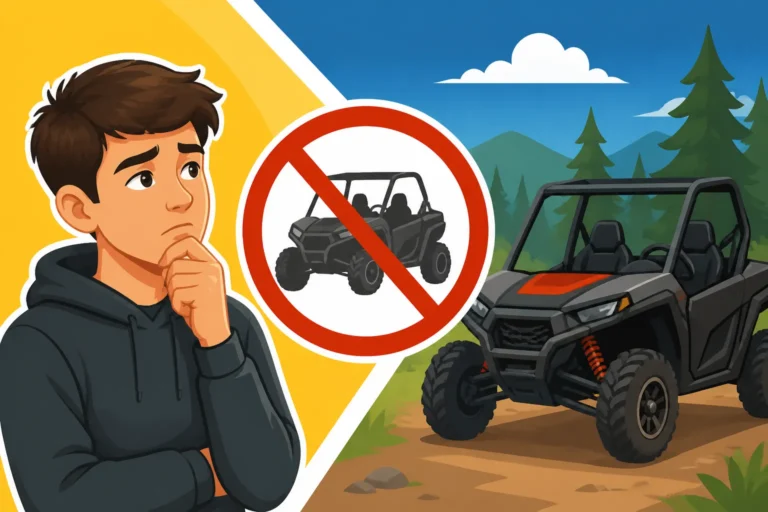
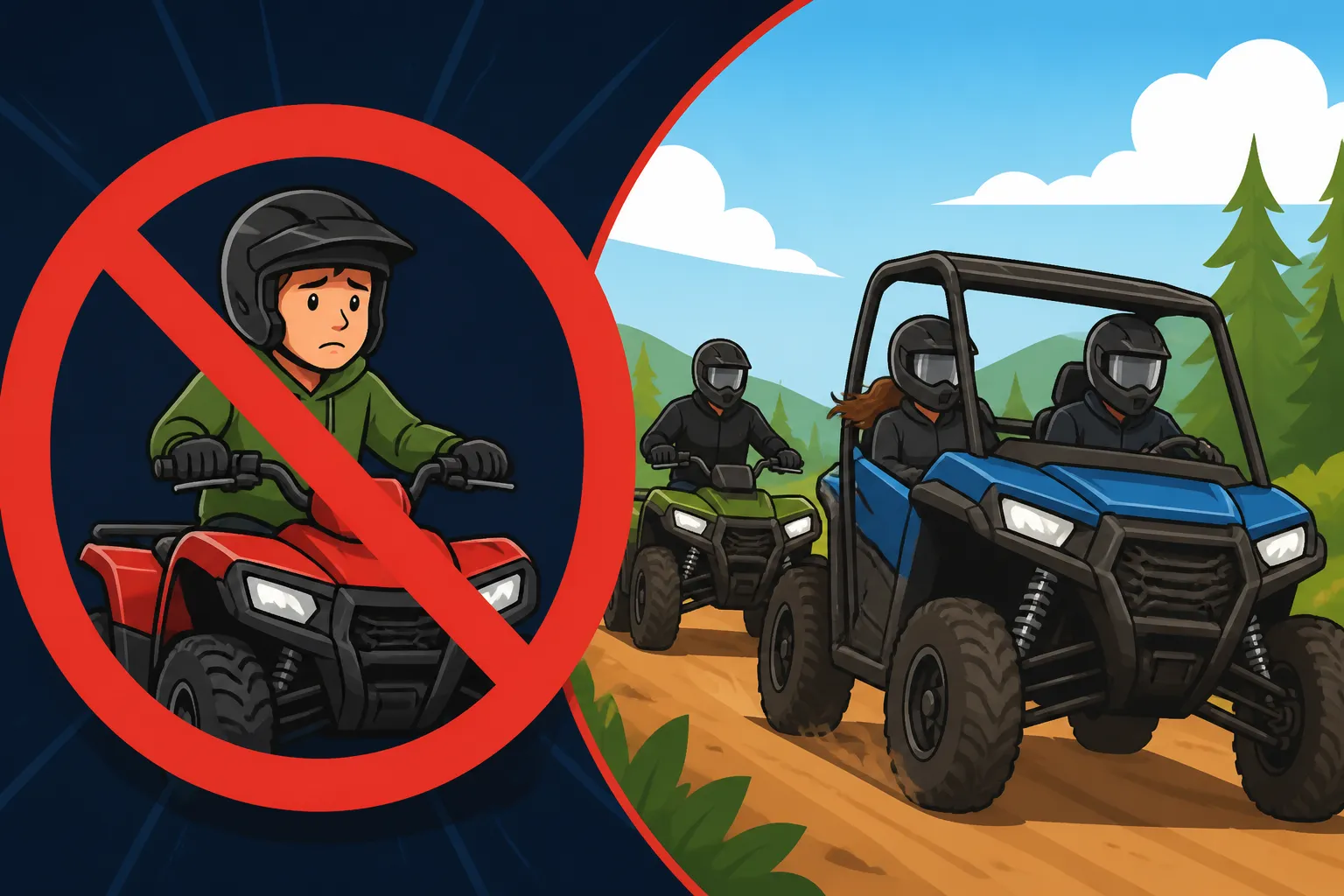
Let's get right to the heart of it: in Quebec, if a trail is part of the extensive federated network maintained by the Fédération des clubs de VTT du Québec (FQCQ), a rider must be 16 years old or older to operate an ATV or UTV on it. This isn't just a suggestion; it's a hard-and-fast rule enshrined in provincial legislation. This specific regulation often catches newcomers or those used to different rules in other provinces or states by surprise, leading to disappointment or, worse, unintended legal trouble.
The Off-Highway Vehicle Act and Its Impact
The legal framework governing off-highway vehicles (OHVs) in Quebec, primarily the Act respecting off-highway vehicles, underwent significant changes, particularly with amendments that came into effect on September 10, 2021. These changes were not minor tweaks; they fundamentally reshaped how quads and side-by-sides are ridden across the province. The main driver behind these legislative updates was a push for enhanced safety for all trail users. For a comprehensive look at these changes, you might find [What Quebec's Off-Highway Vehicle Act Changed for Owners] helpful.
One of the cornerstones of this updated legislation was the firm establishment of minimum age requirements for operating OHVs, especially on publicly accessible, federated trails. The rationale is multi-layered: it considers the physical demands of operating these machines, the cognitive maturity required for split-second decision-making in varied terrain, and the overall safety of not just the young rider, but also other trail users they might encounter. Federated trails are often shared-use, sometimes with snowmobiles in winter, and can have varying conditions, from tight turns to steep inclines, requiring a certain level of experience and judgment that typically comes with age.
Why Federated Trails Are Different from Private Land
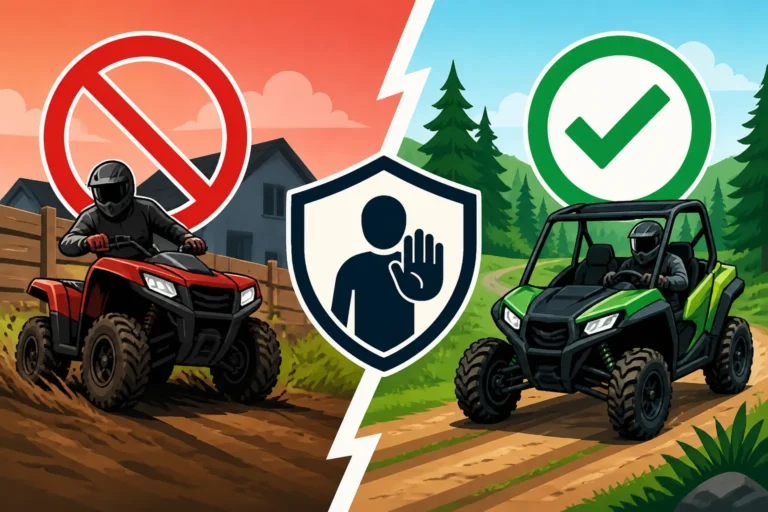
It's crucial to understand that not all land is created equal in the eyes of the law when it comes to ATV riding. There's a significant distinction between riding on privately owned land and riding on a federated trail.
Federated Trails: These are the backbone of Quebec's ATV network, comprising thousands of kilometres of maintained and interconnected corridors. They are managed by local FQCQ clubs, often crossing a mix of public and private lands through agreements with landowners. Because these trails are publicly accessible (with a valid trail pass, of course) and maintained for a broad range of users, the rules governing them are much stricter. The age 16 minimum is a non-negotiable requirement for these trails. When you purchase a trail pass, you are agreeing to abide by the rules set forth by the FQCQ and the provincial government. This means any rider, even if they have exceptional skills, must meet the age requirement to legally operate an OHV on these trails.
Private Land: This is where some flexibility comes into play. If you own the land, or have explicit permission from the landowner, the provincial age restrictions for federated trails do not apply in the same way. On private land, supervised riders under 16 may operate an ATV, provided they are under the direct supervision of an adult and adhere to basic safety practices like wearing appropriate helmets and protective gear. However, even on private land, there are still general safety principles that should always be followed. For details on what's permitted on private land, check out [Quebec Parental Authorization on Private Land]. While the provincial law doesn't mandate a training certificate for private land riding, it's always a good idea for young riders to get proper instruction, perhaps through courses designed for [Quebec FQCQ Training Certificates for Teens] even if they aren't hitting federated trails yet.
Safety, Liability, and Responsibility
The age restriction isn't just about bureaucracy; it's deeply rooted in real-world safety concerns and the complex web of liability that comes with operating powerful machines in dynamic environments. Imagine the chaos if every enthusiastic young child, regardless of size or maturity, could legally pilot a full-sized quad on a shared trail. It's a recipe for disaster, and the provincial government, along with the FQCQ, is keen to avoid such scenarios.
Understanding the Risks for Younger Riders
Operating an ATV or UTV isn't like riding a bicycle. These machines are heavy, powerful, and require significant physical strength, coordination, and rapid decision-making skills. For younger riders, especially those under 16, several factors heighten the risk:
- Physical Strength and Size: ATVs and UTVs are designed for adult frames and strength. A younger, smaller rider might struggle to properly steer, brake, or shift their weight to navigate turns and obstacles, especially on uneven terrain. This can lead to loss of control, tip-overs, and serious injuries. Even with adjustable handlebars or smaller machines, the fundamental physics of managing such a vehicle remain. Companies like SuperATV offer robust accessories, but no aftermarket part can override the need for a rider to physically manage the machine.
- Cognitive Development and Judgment: The trails present constant challenges: unexpected turns, changing surfaces, sudden inclines or declines, other trail users, and wildlife. Younger brains are still developing critical areas related to risk assessment, impulse control, and anticipating consequences. What might seem like a minor bump to an experienced adult could be a major hazard for a less developed rider. Their ability to react quickly and appropriately in an emergency situation might not be fully formed, making them more vulnerable.
- Speed and Terrain: Federated trails often allow for speeds up to 50 km/h for quads, which can feel incredibly fast on an open trail, let alone a winding forest path. The varying terrain, including mud, rocks, roots, and water crossings, demands constant vigilance and precise control. A young rider might lack the experience to "read" the trail ahead, leading to poor line choices and potential accidents.
The Role of Insurance and Club Liability
When you register an ATV in Quebec, you are automatically enrolled in the SAAQ's compulsory public liability insurance program. This is a crucial safety net, and it's something every owner must have. For more details, see [Quebec's Liability Insurance Rule]. The SAAQ acts as both registrar and insurer, providing a minimum liability coverage for all registered off-highway vehicles. Historically, this minimum was $500,000, but it [The $1 Million Liability Floor Every Owner Carries]. This significant coverage highlights the potential for serious accidents and the associated costs.
The FQCQ clubs, who maintain the trails, operate under strict guidelines and assume a certain level of liability for their networks. Allowing underage, uncertified riders on these trails would exponentially increase the liability risk for the clubs and, by extension, the SAAQ. If an accident were to occur involving an underage rider on a federated trail, the legal ramifications could be severe, not just for the individuals involved, but also for the organizations responsible for the trail. The age restriction, therefore, serves as a protective measure for everyone involved, from the rider and their family to the clubs and the provincial insurance entity. It's about managing risk and ensuring that the safety infrastructure supports the legal parameters of who can use these shared resources.
Consequences and Enforcement
Ignoring the age restriction for federated trails isn't just a minor infraction; it carries real consequences, designed to enforce safety and protect all trail users. It's not uncommon for people to assume that if they "just go for a quick ride" or believe their child is an exceptional rider, they can skirt the rules. This is a dangerous assumption that can lead to significant penalties.
What Happens if the Rule is Broken
If a rider under the age of 16 is caught operating an ATV or UTV on a federated trail in Quebec, they (or more accurately, their supervising adult or parent) can face substantial fines. The penalties are not trivial and are designed to act as a serious deterrent. These fines can quickly add up, turning what was intended as a fun family outing into a very expensive lesson.
Beyond the immediate financial penalty, there could be other repercussions. Depending on the specifics of the incident, there could be implications for future registration or insurance. While a trail pass is primarily for access, riding without adhering to the fundamental rules like age limits can be seen as an additional violation, similar to [Quebec Penalties for Riding Without a Trail Pass]. The provincial authorities are serious about these rules because they relate directly to safety.
Trail Patrols and What They Look For
The Quebec trail network is actively patrolled. These patrols are conducted by a combination of FQCQ club volunteers, who are often passionate riders themselves, and peace officers (such as provincial police or municipal officers). They are out on the trails specifically to ensure that everyone is adhering to the rules, which includes checking for valid trail passes, appropriate safety gear, and, crucially, age compliance.
When stopped, patrollers or officers will typically ask for your driver's licence and your trail pass. Your driver's licence serves as proof of age. If a rider appears young, they will specifically ask for identification to verify their age. If they find a rider under 16 on a federated trail, they will take appropriate action, which usually involves issuing a fine. It's important to remember that these patrollers are there to ensure safety, not to spoil anyone's fun. They are enforcing laws that are in place for the collective well-being of the OHV community. Knowing [What a Trail Patrol Can Ask to See] can help you be prepared.
Here's a quick comparison of rules regarding young riders on federated vs. private land:
| Feature | Federated Trail Rules | Private Land Rules (with owner permission) |
|---|---|---|
| Minimum Age to Ride | 16 years old | No provincial minimum age for operation if supervised; general safety applies. |
| Driver's Licence Req. | Yes (minimum Class 5 for ATV/UTV) | No, but adult supervision is mandatory for underage riders. |
| Trail Pass Req. | Yes, for the machine | No, unless it's a private trail network that charges its own access fees. |
| Training Certificate | Required for 16 and 17-year-olds (unless already holding a driver's licence prior to Sep 2021) | Recommended, but not legally mandated. |
| Insurance | SAAQ-mandated public liability insurance (part of registration) | SAAQ insurance still applies if registered; private insurance recommended for damage. |
| Supervision | Not applicable, as riders must meet age/licence requirements. | Mandatory for underage riders. |
| Purpose of Rules | Public safety, liability management, shared trail integrity. | Owner discretion, personal safety, property rights. |
Pathways for Young Riders (Alternative Options)
While the age 16 rule for federated trails might seem like a roadblock, it's really an invitation to explore other avenues and prepare young riders for when they are old enough to hit the main network. There are still plenty of ways for kids to enjoy ATV riding safely and legally in Quebec.
Riding on Private Property
As mentioned earlier, private land offers a more flexible environment for younger riders. If you own property or have secured explicit written permission from a landowner, a child under 16 can ride an ATV or UTV under adult supervision. This is often the ideal setting for children to learn the ropes, develop their skills, and gain confidence in a controlled environment.
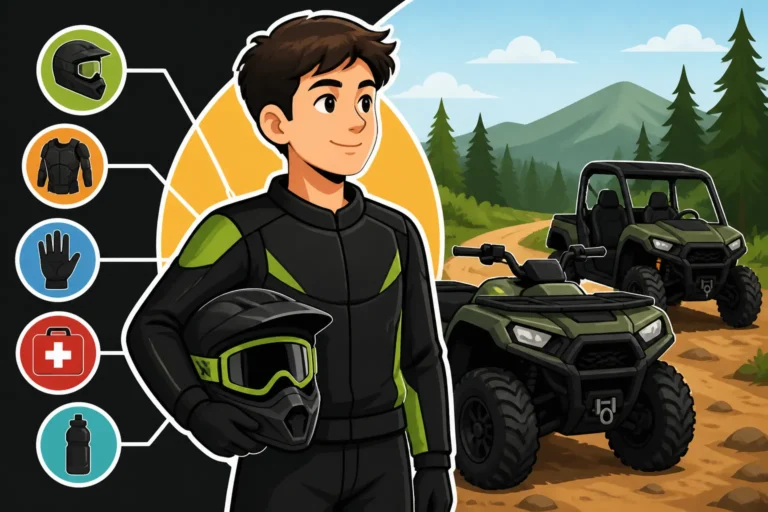
When riding on private land, it's still absolutely essential to prioritize safety. Ensure the child wears a properly fitting helmet and other protective gear (gloves, long pants, long-sleeved shirt, sturdy boots). The machine should be appropriate for their size and skill level. Consider starting with smaller, lower-powered machines before moving up. The goal here is to foster good riding habits and build foundational skills without the pressures of a public trail. Many aftermarket accessories from brands like SuperATV can enhance the safety and performance of a machine, even for private land use, ensuring better protection or control. But always remember, even the best gear doesn't replace supervision and good judgment. You can find more specific guidance on [Quebec Rules for a 15-Year-Old on Family Land].
The Path to Federated Trail Riding
For those eager to join the federated trail community, the age of 16 is the gateway, but it's not the only requirement. Becoming a legal, responsible federated trail rider involves a few key steps:
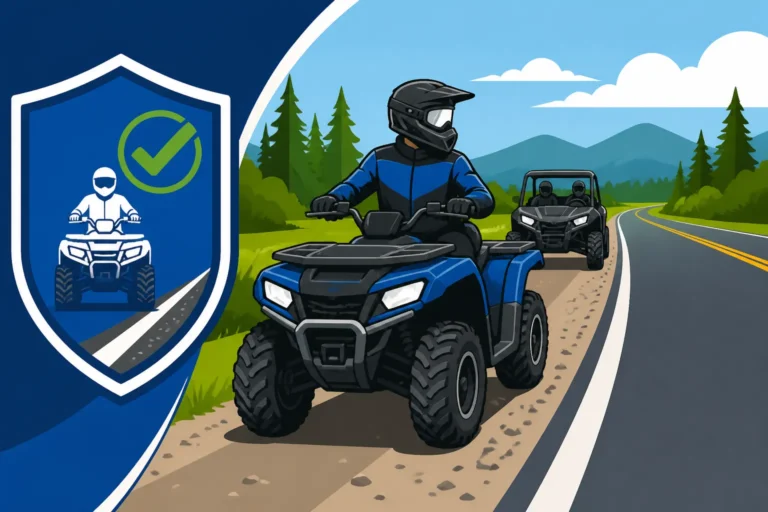
- Obtain a Driver's Licence: To operate an ATV or UTV on a federated trail, you must hold a valid driver's licence (minimum Class 5). This is the same licence required to drive a car. This ensures that riders have demonstrated basic road safety knowledge and driving competence.
- Complete a Training Certificate (for 16 and 17-year-olds): For riders who are 16 or 17 years old and do not hold a valid driver's licence (which means they would have obtained their Class 5 after September 10, 2021), a compulsory safety training certificate issued by the FQCQ is required. This certificate ensures that young riders receive specialized instruction on ATV operation, trail etiquette, and safety specific to off-highway vehicles. This training is invaluable and helps bridge the gap between basic driving skills and the specific demands of trail riding. It's an important step for [What a 16-Year-Old Needs Before Riding a Trail]. You can learn more about these requirements and how to get one by looking at [Quebec Training Certificate Requirements].
- Purchase a Trail Pass: Once the age and licensing requirements are met, the next step is to acquire an FQCQ trail pass. This annual or seasonal pass grants you legal access to the entire federated network across Quebec.
By following these steps, young riders can transition from supervised private land riding to confidently and legally exploring Quebec's magnificent network of federated trails. It's a journey that prioritizes safety, responsibility, and respect for the rules that keep everyone safe on the trails.
Disclaimer
This article is for general informational purposes only and does not constitute professional advice. Laws, prices and regulations vary by location and change over time. Consult a qualified professional for guidance on your specific situation.