Storing a Machine Off Season
As the crisp air of late autumn begins to bite here in Quebec, many of us start thinking about tucking our beloved ATVs and UTVs away for the long winter. It’s a moment of mixed feelings, isn't it? Sadness to see the riding season end, but also a chance to ensure our machines are ready to roar back to life come spring. This guide will walk you through everything you need to know about properly storing your off-highway vehicle off-season, protecting your investment from Quebec's unique climate, and handling all the necessary paperwork.
Why Taking Your ATV or UTV Out of Commission Matters in Quebec
Putting your quad or side-by-side away for the winter isn't just about covering it with a tarp and forgetting about it. In Quebec, with our often extreme cold, fluctuating humidity, and long periods of snow cover, improper storage can lead to a host of expensive and frustrating problems. It’s a common misconception that simply parking it in a garage is enough, but our machines are complex pieces of equipment that need a little more love and attention before they go into hibernation.
The Harsh Realities of Quebec Winters on Your Machine
Quebec winters are beautiful, but they are undeniably tough on machinery. The cold itself can thicken fluids, drain batteries, and stress rubber components. Then there’s the humidity – whether it’s from melting snow, condensation in a poorly ventilated shed, or just the ambient moisture in the air – which can lead to rust and corrosion in places you might not even think to check. Even if your machine is indoors, the freeze-thaw cycles that often occur can cause water to expand in seals or lines, potentially leading to leaks or cracks.
Beyond the obvious, pests can become a real issue. Mice, squirrels, and other small critters love to find warm, sheltered spots to build nests, and the airbox, exhaust, or even wiring harnesses of your ATV or UTV make perfect homes. They can chew through wires, contaminate air filters, and leave behind quite a mess, all of which can be a nightmare to clean up or repair when you’re eager to hit the trails again. Taking the time to properly prepare your machine for these conditions saves you significant headaches and repair bills down the line.
Protecting Your Investment: Long-Term Benefits of Proper Winterization
Think of proper off-season storage as an insurance policy for your machine's longevity and performance. A well-winterized ATV or UTV will not only start more reliably in the spring but will also suffer less wear and tear over its lifespan. This means fewer breakdowns, less frequent trips to the mechanic, and ultimately, a more enjoyable and reliable riding experience season after season. It also protects your resale value. When it comes time to sell, a machine that has been meticulously cared for, including proper storage, will fetch a much better price and inspire more confidence in a potential buyer.
Beyond the mechanical benefits, there's the peace of mind. Knowing that your machine is safely tucked away, protected from the elements and pests, allows you to enjoy the winter months without worrying about what damage might be occurring in the garage or shed. It's an investment in both your machine and your future riding adventures, ensuring that when the snow melts and the trails open, your quad is ready to go.
A Step-by-Step Guide to Winterizing Your Quad for Quebec's Off-Season
Winterizing your ATV or UTV can seem like a daunting task, but breaking it down into manageable steps makes it much easier. This isn't just about keeping it clean; it's about preserving its vital components so it runs smoothly when you're ready to ride again.
The Critical Pre-Storage Checklist: Fuel, Fluids, and Filters
One of the most important steps is managing the fuel. Gasoline can degrade over time, leading to carburetor gumming or fuel injector issues. The best practice is to either run the fuel tank almost empty and then add a fuel stabilizer, running the engine for a few minutes to circulate it, or, for carbureted machines, to drain the carburetor bowl entirely after adding stabilizer. Personally, I prefer to add stabilizer and run it, as it treats the entire fuel system. This prevents ethanol from attracting moisture and keeps everything clean.
Next up, the fluids. While you don't necessarily need to change all fluids just before storage, it's a great time to ensure they're in good condition. Check your oil; if it's dirty, change it along with the filter. Old, contaminated oil can sit and cause corrosion internally. Inspect your coolant level and quality; if it looks low or murky, top it up or flush and refill it with fresh coolant rated for extreme cold. Don’t forget to check your brake fluid and differential fluids as well. Finally, give your air filter a thorough cleaning or replace it. A clean filter prevents dust and debris from sitting in the intake system, especially important if pests decide to explore.
Battery Care, Tire Prep, and Physical Protection
Your battery is particularly vulnerable to Quebec's cold. Leaving it connected and unchecked will almost certainly result in a dead battery come spring. Remove the battery from the machine and store it in a cool, dry place – ideally, off the concrete floor. Connect it to a trickle charger or battery tender. These devices maintain a charge without overcharging, keeping your battery healthy and ready for action. If you don't have one, plan to fully charge the battery every month or so.
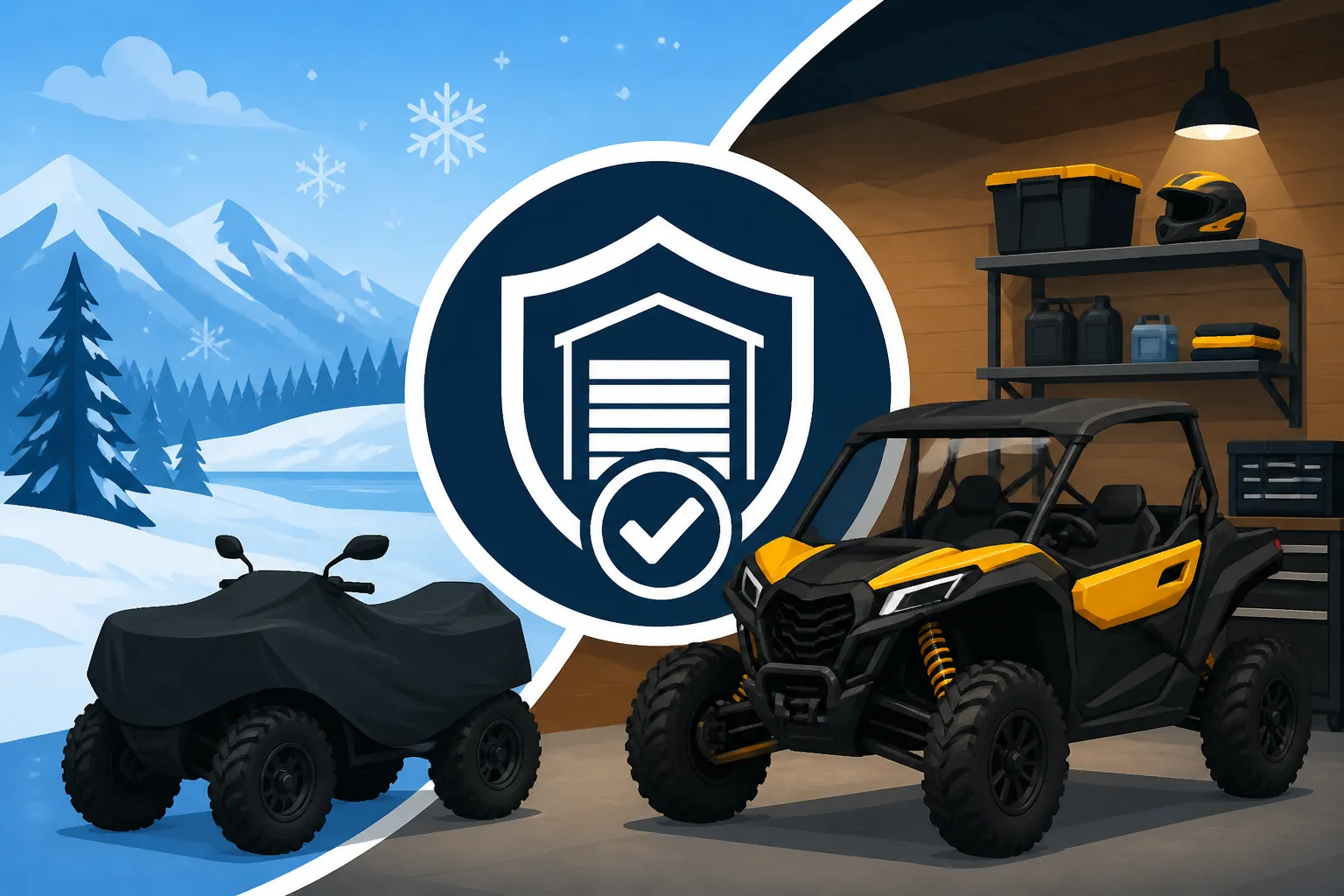
Tires also need attention. While not as critical as the battery, prolonged sitting can create flat spots. Inflate your tires to the maximum recommended pressure – this helps them maintain their shape. If you can, lift the machine off the ground using stands to take all pressure off the tires. If not, rolling the machine a few feet every month or two can help. Lastly, a good wash is essential. Clean off all mud, dirt, and grime, especially from the underside. Once dry, apply a protective spray to metal surfaces to prevent rust and consider a protectant for rubber and plastic parts. A quality cover, ideally breathable to prevent condensation, will keep dust and moisture at bay.
| Winterization Step | Why It's Important | How To Do It |
|---|---|---|
| Fuel Stabilization | Prevents fuel degradation, gumming, corrosion | Add stabilizer, run engine to circulate; consider draining carbs |
| Fluid Check/Change | Avoids internal corrosion, ensures cold weather readiness | Change dirty oil/filter; check/top up coolant, brake, diff fluids |
| Air Filter Service | Prevents contamination, pest nesting | Clean or replace; ensure intake is sealed |
| Battery Removal/Tender | Prevents discharge, extends battery life | Remove, clean terminals, store on trickle charger in a temperate spot |
| Tire Inflation/Lift | Prevents flat spots, maintains tire integrity | Inflate to max PSI; ideally lift machine off ground |
| Thorough Cleaning | Prevents rust, corrosion, grime buildup | Wash all dirt/mud; dry thoroughly; apply protectants |
| Pest Prevention | Avoids wiring damage, nest building | Block exhaust/intake openings with steel wool; check regularly |
| Machine Cover | Protects from dust, moisture, UV | Use a breathable cover; avoid trapping moisture |
Securing Your Machine for Long-Term Dormancy
Once your ATV or UTV is prepped, security becomes paramount. Whether it's stored in your garage, a shed, or an off-site facility, you want to deter theft. Use heavy-duty locks on your garage or shed doors. Consider adding a ground anchor and a thick chain lock to secure the machine to the floor or a wall. If it's a side-by-side, locking the steering wheel can add another layer of deterrence. Don't underestimate the ingenuity of thieves.
For those storing their machines on someone else's property, like a friend's farm or a rental storage unit, a clear understanding of responsibilities and access is crucial. This is where having a formal agreement can be incredibly helpful. Platforms like LawDepot offer templates for storage agreements or even informal understanding documents that can lay out who is responsible for what, access times, and liability. While Quebec is a tight-knit community, clear communication always prevents misunderstandings. And always ensure your machine is in a spot where it's less visible from the road, reducing its appeal to opportunists.
Managing Your Registration and Insurance During the Downtime
Beyond the physical preparations, there are administrative considerations for your ATV or UTV during the off-season. You might be wondering about your [Quebec ATV Registration Renewal Each Year] and your insurance obligations when the machine isn't actively being ridden. These are important questions that can impact your budget and your peace of mind.
Understanding Your SAAQ Registration Obligations
In Quebec, even if your ATV or UTV is tucked away for the winter, its registration with the SAAQ doesn't automatically pause. Your [Quebec VHR Plates Explained] and registration are tied to the machine's existence, not just its active use. If your renewal notice arrives during the storage period, you generally still need to renew it to avoid your plate lapsing. There are specific rules around cancelling a registration, and often it's only truly advantageous if you plan to sell the machine or if it's permanently taken out of service.
The SAAQ is both the registrar and, through the basic liability insurance included with your registration, an insurer for off-highway vehicles. If you let your registration lapse, you not only face fines for riding an unregistered machine but also lose that basic liability coverage. Therefore, even if your quad is sleeping, staying on top of your [Quebec SAAQ Rate Changes for 2025 to 2027] and ensuring your registration is current is typically the safest bet. You don't want to get caught unprepared when spring rolls around, only to realize you need to catch up on paperwork before your first ride. For more specific details, you might want to look into [Quebec's Off-Highway Vehicle Act and Your Papers].
Navigating Your Insurance Policy During Storage
This is where many riders get a little confused. The SAAQ provides mandatory [Quebec's Liability Insurance Rule] as part of your registration, which covers damages you might cause to others or their property. However, this basic coverage doesn't protect your own machine from theft, fire, or other damage while it's in storage. For that, you need private insurance. Many riders wonder if they can [Cancelling Coverage Over Winter] to save a few dollars.
While some private insurers might offer a "storage only" option or allow you to temporarily reduce your comprehensive and collision coverage, this is a discussion you need to have directly with your insurance provider. It's vital to understand exactly what your policy covers, even when the machine is not in use. Theft and fire are real risks, and relying solely on the SAAQ's basic liability insurance for your machine's protection would leave you financially vulnerable. Before making any changes, confirm with your insurer what coverage you retain and what you lose, and always get it in writing. After all, your investment is significant, and being properly insured, even in storage, is key.
Legal Aspects of Storage, Especially Off-Site
When you store your ATV or UTV, especially if it's not on your own property, there are a few legal considerations to keep in mind. First, always have proof of ownership readily available. This includes your [Quebec Registration and Proof of Ownership] and ideally a bill of sale. If you're using a commercial storage facility, they'll often require this documentation. If you're storing it at a friend's place, it's not a bad idea to have a simple, written agreement outlining the terms, even if just for peace of mind for both parties. As mentioned earlier, resources like LawDepot can provide templates for such arrangements, ensuring everyone is on the same page.
Another point to consider is if your machine is financed. Your financing agreement might have specific clauses about where and how the vehicle must be stored, and it will certainly require you to maintain full insurance coverage. Make sure you're aware of these terms to avoid any breach of contract. Lastly, if you decide to sell your machine directly from storage, make sure you understand the process for [Selling a Registered Machine in Quebec] and handle the transfer of ownership correctly, including any applicable [Quebec Sales Tax on an ATV Purchase]. Proper documentation is always your best defense in any future disputes.
The Grand Reawakening: Preparing Your Machine for Spring and Summer Rides
After months of dormancy, the first signs of spring always bring an itch to hit the trails. But before you fire up your ATV or UTV and head out, it needs a proper wake-up call. Rushing this process can undo all your careful winterization work and lead to problems on your first ride.
Bringing Your Quad Back to Life: The Spring Start-Up Checklist
When the snow finally retreats and the weather warms up, it's time to reverse the winterization process. Start by removing any covers and inspecting your machine. Look for any signs of pest activity – nests, chewed wires, or droppings. Clean out any blockages you might have placed in the exhaust or air intake. Reinstall your fully charged battery, making sure the terminals are clean and tight.
Next, it's time to check all fluids again. Even if they were fresh in the fall, it’s good practice. Top up any low levels. Check your tires; adjust them back to their normal riding pressure. Inspect all belts, hoses, and cables for cracks, wear, or damage that might have occurred over winter. Pay close attention to your brakes – check fluid levels, pad wear, and ensure they feel firm. Finally, check all lights, horn, and indicators to ensure they are working properly. Don't forget to check under the machine for any leaks that might have developed during storage.
Post-Storage Checks and Your First Ride
Before you even think about putting it in gear, start the engine and let it warm up slowly. Listen for any unusual noises or smells. While it's running, check for any visible leaks around the engine or transmission. Take a very gentle test ride, ideally on your property or a quiet area, to assess how the machine feels. Pay attention to the brakes, steering, and suspension. Does it accelerate smoothly? Does it shift gears properly? Are there any vibrations or odd handling characteristics?
This initial careful inspection and test ride are crucial. It's much better to discover a minor issue in your driveway than out on a remote trail. Once you're confident everything is in working order, remember to re-familiarize yourself with [Quebec ATV Road Rules Under the LVHR] and ensure you have all your required documentation, like your driver's license, registration, and [Quebec Insurance Proof on the Machine]. Don't forget your [Quebec ATV Helmet Rules] and ensure your helmet and gear are in good condition. Taking these final steps ensures that your first ride of the season is safe, enjoyable, and trouble-free after months of waiting.
Disclaimer
This article is for general informational purposes only and does not constitute professional advice. Laws, prices and regulations vary by location and change over time. Consult a qualified professional for guidance on your specific situation.