Why a VHR Plate Fits on a Fender
One of the most common questions new quad or side-by-side owners in Quebec have isn't about engine size or tire pressure, but about a small, rectangular piece of metal: the VHR plate. Many folks are used to seeing traditional car plates, which are much larger, so they're often surprised by the compact dimensions of an off-highway vehicle (VHR) plate and then wonder, "How on earth is this supposed to fit on my fender without looking out of place or getting ripped off?" This guide will clear up that confusion, diving deep into why these plates are designed the way they are and how to ensure yours is properly displayed to keep you on the right side of the law and on the trail.
Understanding Quebec's Unique VHR Plate System
Before we get into the specifics of why a VHR plate is sized the way it is, it's crucial to understand what it actually is and how it fits into Quebec's broader framework for off-highway vehicles. Quebec has a distinctive approach to registering and insuring ATVs (which they call VTTs, or véhicules tout-terrain) and side-by-sides, and the VHR plate is a central part of that system.
Quebec's Off-Highway Vehicle Act
In Quebec, all off-highway vehicles, whether they're quads, side-by-sides, or even certain dirt bikes, fall under the Act respecting off-highway vehicles, often referred to as the LVHR (Loi sur les véhicules hors route). This act dictates everything from age requirements for riders to helmet rules, speed limits, and, crucially, registration. The intent behind the law is to ensure safety, promote responsible riding, and provide a clear system for identification and accountability on the province's vast trail network and permitted access roads. Without proper registration, you simply can't legally operate your machine on public trails or designated areas. It's the first step in being a responsible quad owner. You can learn more about [Quebec's Off-Highway Vehicle Act and Your Papers] in our other articles.
The SAAQ's Role in Registration and Plates
Unlike many other jurisdictions where a separate department handles vehicle registration and private companies offer insurance, Quebec streamlines this process through the Société de l'assurance automobile du Québec (SAAQ). The SAAQ is not just the registrar for all road vehicles; it's also the mandatory insurer for basic liability for off-highway vehicles. When you register your ATV or side-by-side, you're also buying this essential liability insurance, which, since the September 2021 law change, carries a minimum of $1 million in coverage. This means the SAAQ is the one issuing your VHR plate directly, not a third-party registry. This centralizes the process and ensures that every registered machine automatically carries the necessary base liability insurance. This combined role is unique and fundamental to understanding the VHR system, as detailed in [Quebec SAAQ Is Registrar and Insurer].
Distinguishing VHR from Other Plates
The VHR plate itself is unique, both in its size and its specific designation. While cars, trucks, and motorcycles in Quebec receive standard-sized license plates, off-highway vehicles are issued a smaller, more compact VHR plate. This isn't just an aesthetic choice; it's a practical one driven by the nature of these machines and their operating environment. The "VHR" designation stands for Véhicule Hors Route, directly translating to "Off-Highway Vehicle," making its purpose clear at a glance. It's distinctly different from a regular car plate, a commercial vehicle plate, or even a classic vehicle plate. It's designed specifically for the rugged world of trail riding, where space is often limited and exposure to elements is high.
The "Why" Behind the Plate Size and Design
So, why is the VHR plate smaller and designed to fit on a fender? It boils down to a blend of practical necessity, legal requirements, and the unique operating conditions of off-highway vehicles. It's not just a random decision; it's a well-thought-out compromise.
Visibility and Legibility Requirements
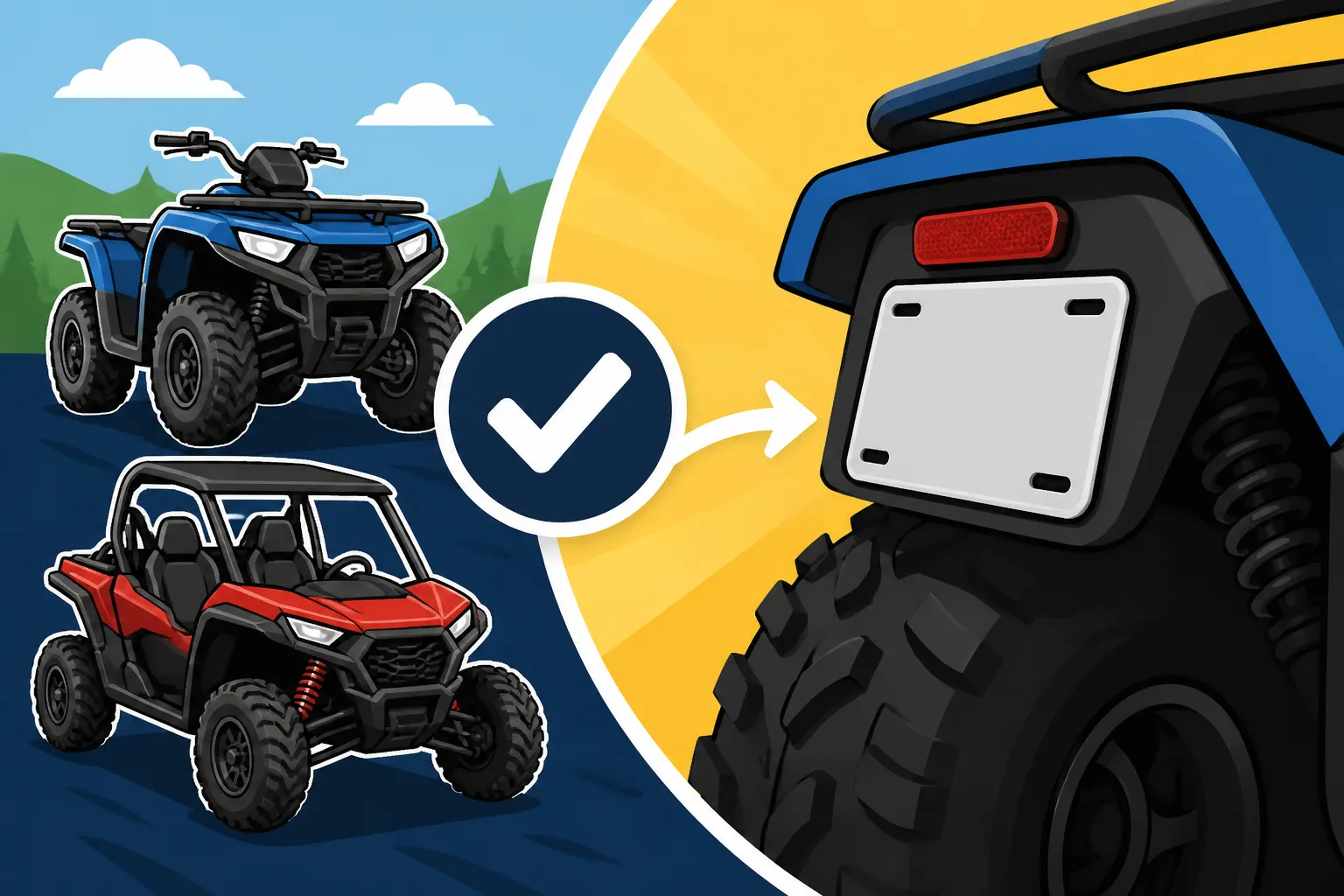
Despite its smaller size, the primary purpose of any license plate remains visibility and legibility. The plate needs to be easily seen and read by law enforcement, trail patrols, and other riders for identification purposes. Imagine trying to mount a full-sized car plate on the rear fender of a sport quad; it would likely drag on the ground, get caught on branches, or obstruct the rider's movement. The compact nature of the VHR plate allows it to be affixed in a location that is generally clear of major obstructions, often on a rear fender, making it visible from a reasonable distance without being excessively cumbersome. This ensures that the essential information – the plate number – is always accessible. This is also why understanding [Where a VHR Plate Mounts on a Quad] is so important.
Durability and Off-Road Conditions
Off-highway vehicles operate in environments that are far more challenging than paved roads. They encounter mud, rocks, water crossings, dense brush, and rough terrain. A large, rigid plate would be highly susceptible to damage, bending, or tearing off entirely. The VHR plate's size and the typical locations where it's mounted (often on the flexible plastic of a fender) are chosen to minimize this risk. Its smaller footprint reduces the likelihood of it snagging on obstacles, and the materials used are designed to withstand the vibrations, impacts, and exposure to the elements that are part and parcel of off-road riding. You might still have to get a [Quebec Plate Replacement If Lost] occasionally, but the design helps prevent it.
Standardization Across VHR Vehicles
The design and sizing of the VHR plate also serve to standardize identification across a diverse range of off-highway vehicles. From a small utility quad to a large four-seater side-by-side, the SAAQ issues the same compact VHR plate. This consistency simplifies enforcement and identification for authorities like the Sûreté du Québec and FQCQ trail patrols. Regardless of the machine's make or model, a patrol officer knows exactly what size and type of plate to look for and where it should generally be located. This standardization is a practical solution to a varied fleet of machines, ensuring that the identification system is universally applicable.
Practical Considerations for Mounting Your VHR Plate
Knowing why the VHR plate is designed as it is helps, but the real challenge for many owners is the how – how to securely and legally mount it on their machine. It’s not just about finding a spot; it’s about making sure it stays there, is visible, and complies with regulations.
Choosing the Right Location on Your Fender
The most common and recommended spot for your VHR plate is on the rear fender. This location typically offers sufficient flat surface area, is generally visible from the rear, and is high enough to avoid a lot of the immediate mud and debris spray from the tires. However, "fender" isn't always one singular, perfect spot. For some machines, especially sport quads, the fender might be more curved or have less usable space. You'll want to find the flattest, most vertical section possible. Avoid mounting it too low where it might scrape, or too far forward where it could be obscured by the rider or cargo. If your machine has a dedicated mounting bracket or pre-drilled holes from the manufacturer, use those first. For a side-by-side, the rear bumper area or tailgate might offer more robust options. Remember, the goal is unimpeded visibility.
Secure Attachment Methods
This is where many owners get creative, but it's essential to prioritize security. Simply taping or zip-tying the plate in place might seem easy, but it's unlikely to last long on rugged trails.
- Bolts and Nuts: The most secure method involves drilling small holes in the fender (if none exist) and using small bolts with locking nuts and washers. This creates a strong, semi-permanent attachment. Use corrosion-resistant hardware, especially if you ride in wet conditions.
- Rubber Washers/Grommets: When bolting through plastic fenders, it's a good idea to use rubber washers or grommets. These help absorb vibrations, reduce stress on the plastic, and can prevent the plate from rattling loose over time.
- Reinforcement Plates: For very flexible fenders, you might consider using a small, thin metal or plastic backing plate on the underside of the fender where you drill. This distributes the pressure and prevents the bolts from tearing through the plastic, adding to the plate's longevity and security. Think of it like reinforcing the area where you'd attach a bracket for other accessories.
When preparing any official documentation, such as a bill of sale for a machine you've just acquired, remember that services like LawDepot can provide templates to ensure everything is legally sound before you even get to the plate mounting stage.
Avoiding Obstructions and Damage
Once mounted, your plate needs to remain visible. This means:
- No Obscuring Accessories: Don't hang cargo bags, spare fuel cans, or any other accessories directly over or in front of the plate. Even if the plate is technically mounted correctly, if it's hidden, it's effectively not displayed.
- Clear of Exhaust: Ensure the plate isn't too close to the exhaust pipe, where heat could damage it or make it unreadable.
- Fender Flex: Consider how much your fender flexes during aggressive riding or when carrying a passenger. Mount the plate in a spot that minimizes contact with the tire or other components under load.
- Mud Flaps: If your machine has mud flaps, ensure they don't block the plate, especially when covered in mud. Regular cleaning of the plate should be part of your routine.
Proper mounting is not just about aesthetics; it's a legal requirement that keeps you compliant on the trails.
What Happens if Your Plate Isn't Properly Displayed?
Riding a quad or side-by-side in Quebec is a fantastic experience, but it comes with responsibilities, and ensuring your VHR plate is correctly displayed is a non-negotiable one. Ignoring this simple rule can lead to unwelcome consequences, from frustrating encounters with patrols to significant financial penalties.
Fines and Penalties
Operating an off-highway vehicle in Quebec without a properly displayed VHR plate is a direct violation of the Act respecting off-highway vehicles. This isn't a minor infraction that will just get you a slap on the wrist. You can face substantial fines. These penalties are designed to encourage compliance and ensure that all machines on the trail are identifiable and legally registered. The cost of a ticket for an improperly displayed or missing plate can easily run into hundreds of dollars, far outweighing any perceived inconvenience of correctly mounting it in the first place. These fines can add up quickly, especially if you're caught multiple times. This is just one of many [Quebec Penalties for Riding Unregistered] you could face.
Patrol Checks on the Trail
You'll regularly encounter trail patrols in Quebec, often organized by the Fédération Québécoise des Clubs Quads (FQCQ) or local Sûreté du Québec officers. Their job is to ensure everyone on the trail is riding safely and legally. One of the first things they'll look for is a valid VHR plate, along with your trail pass and proof of a driver's licence. If your plate is missing, obscured, or mounted in a way that makes it illegible, they will stop you. A quick check of your paperwork, including the bill of sale (which you might have organized using a service like LawDepot for clarity), will confirm ownership, but the visible plate is your immediate proof of registration. These [Quebec Equipment Checks by Patrols] are routine and necessary for maintaining safety and order on the vast trail network.
| Issue | Consequence | Recommended Action |
|---|---|---|
| Missing Plate | Significant Fine, Machine Impoundment potential | Re-register immediately, get replacement plate |
| Obscured Plate (mud, cargo) | Fine, Request to remove obstruction | Regularly clean plate, ensure clear mounting spot |
| Illegible Plate (faded, damaged) | Fine, Request for replacement | Order a [Quebec Plate Replacement If Lost] from SAAQ |
| Improperly Mounted (loose, hidden) | Fine, Warning to secure correctly | Use bolts/nuts, reinforce mounting points |
| Incorrect Plate (e.g., car plate) | Immediate Fine, Machine not compliant for VHR use | Ensure you have a specific VHR plate issued by the SAAQ |
Impact on Accident Claims
While the SAAQ provides basic liability insurance with your registration, an improperly displayed VHR plate could complicate things in the event of an accident. If you're involved in a collision and your plate isn't visible or correctly mounted, it could be argued that your machine wasn't "legally operated" or easily identifiable, potentially affecting how an insurance claim is processed. While direct causation might be difficult to prove, it gives an insurance adjuster or legal professional a point of contention. It's always best to eliminate any possible reason for an insurance company to deny or delay a claim. Ensuring your plate is clearly visible is a small but important step in protecting yourself financially, especially considering the [Quebec Insurance Minimum for an Owner] has risen.
Maintaining Your VHR Plate and Its Visibility
Just like you maintain your quad's engine or suspension, your VHR plate needs a bit of care to ensure it remains legible and securely attached throughout the riding season. After all, it's your machine's official identity on the trail.
Regular Cleaning and Inspection
Off-road riding is inherently dirty. Your VHR plate, especially when mounted on a rear fender, is a prime target for mud, dust, and debris. Make it a habit to clean your plate after every ride. A simple wash with soap and water will usually suffice to remove caked-on mud. Beyond cleaning, visually inspect the plate regularly. Look for:
- Bending or Cracks: Are there any signs of damage from impacts or stress?
- Fading: Has the paint or reflective coating started to fade, making the numbers harder to read?
- Loose Fasteners: Are the bolts or zip ties still tight? Vibrations from riding can loosen fasteners over time.
- Obstructions: Are there any new accessories, mud flaps, or even dried mud that could be obscuring the plate?
A few minutes of inspection can save you a lot of hassle down the road. It's part of a general [Quebec ATV Registration Paperwork Checklist] for compliance.
Replacing a Damaged or Lost Plate
Despite your best efforts, accidents happen. A branch might snag your plate, or a particularly gnarly section of trail could cause it to bend beyond repair or even detach completely. If your VHR plate is damaged to the point of being illegible, or if it goes missing entirely, you must get it replaced. The process is straightforward through the SAAQ. You'll need to contact them or visit one of their service centres to request a replacement. There will be a fee, but it's a small price to pay compared to the fines for riding without one. Remember, riding with a damaged or missing plate is essentially the same as riding unregistered in the eyes of the law. This is where you might need to obtain a [Quebec Plate Replacement If Lost].
Addressing Fading or Wear
Over time, especially with exposure to sun, rain, and mud, the colours and reflectivity of your VHR plate can fade. This is a common issue, and while the plate might still be physically attached, its legibility could become an issue for patrols. If you notice your plate is becoming difficult to read, even after cleaning, it's time to consider a replacement. Don't wait until you receive a ticket to address the issue. A faded plate is just as much of a problem as a missing one when a patrol officer is trying to identify your machine from a distance. Proactive replacement ensures continuous compliance and avoids unnecessary penalties.
Common Misconceptions About VHR Plates
Even with clear rules, some misunderstandings about VHR plates persist among riders, especially those new to Quebec's off-road scene or those coming from other provinces. Clearing up these misconceptions can save you frustration and ensure you're always in compliance.
"It's Just a Sticker, Right?"
This is a very common misconception, often born from the fact that many off-road associations or private landowners might issue coloured stickers for trail access or specific events. However, the SAAQ-issued VHR plate is a metal plate, not a sticker. It's a rigid, official identification document, just like a car license plate, albeit smaller. While you might affix an FQCQ trail pass sticker to your machine, that sticker is entirely separate from and supplemental to the actual VHR plate. Confusing the two can lead to serious legal issues, as the sticker does not substitute for the official registration plate. Remember, the [Quebec VHR Plates Explained] are always metal.
"My Machine is Too Small/Big for This Plate"
Some riders, especially those with smaller sport quads or very large side-by-sides, might feel the VHR plate doesn't "fit" their machine properly. A small plate on a massive side-by-side might seem disproportionate, or a standard plate on a tiny fender might seem unwieldy. However, as discussed, the VHR plate is standardized. Every registered off-highway vehicle in Quebec, regardless of its dimensions, receives the same size and type of VHR plate. It's designed to be a universal fit. The key isn't about perfectly matching the machine's aesthetics but about finding the most practical, secure, and visible location on your particular model. If you're struggling to find a spot, consult your machine's owner's manual or a reputable dealer for advice on common mounting points for your specific model.
"Only for Federated Trails"
Another frequent misunderstanding is that the VHR plate and its associated SAAQ registration are only required if you plan to ride on the FQCQ's network of federated trails. This is absolutely incorrect. Quebec's Act respecting off-highway vehicles applies to any operation of an off-highway vehicle on public land, designated trails, or even on private land to which the public has access (unless explicitly exempted, which is rare for general riding). Whether you're riding a club trail, a designated forest road, crossing a municipal road where permitted, or even using your machine at a friend's camp (if the public has any access), it needs to be registered and bear a valid VHR plate. Your registration is not conditional on buying a trail pass; it's a fundamental requirement for legal operation. Even if you draft specific private land use agreements, perhaps using a template from LawDepot, the fundamental requirement of a VHR plate for operation anywhere but strictly your own private, non-publicly accessible land remains.
Understanding the "why" behind the VHR plate's design and how to properly display it is a crucial part of being a responsible off-highway vehicle owner in Quebec. It’s not just about avoiding fines; it’s about contributing to a safe, regulated, and enjoyable riding environment for everyone.
Disclaimer
This article is for general informational purposes only and does not constitute professional advice. Laws, prices and regulations vary by location and change over time. Consult a qualified professional for guidance on your specific situation.