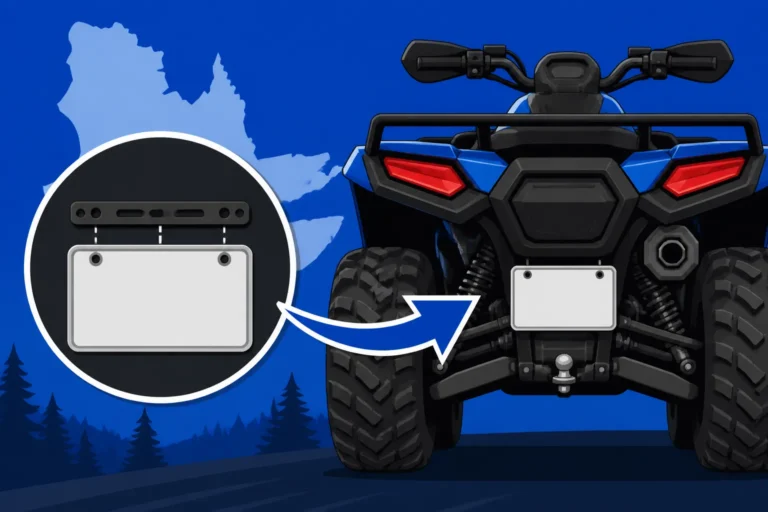
Quebec SAAQ Rate Changes for 2025 to 2027
It’s a tale as old as time for any vehicle owner in Quebec: you get your renewal notice in the mail, open it up, and brace yourself for the numbers. Nobody likes surprises when it comes to essential expenses, and the costs associated with owning and registering an ATV or UTV are no exception. Understanding how the Société de l'assurance automobile du Québec (SAAQ) sets its rates and communicates future adjustments, especially for upcoming periods like 2025 to 2027, can feel like trying to decipher a secret code. This comprehensive guide is here to shed some light on the process, helping you anticipate and understand the potential shifts in your annual fees.
Understanding the SAAQ's Role in ATV Registration and Insurance
For many newcomers to the world of off-highway vehicles in Quebec, or even seasoned riders, the SAAQ's unique role can be a bit of a head-scratcher. It's not just about getting a license plate; the SAAQ is deeply ingrained in almost every aspect of your machine's legal operation here. They're not just a simple government department; they're the central hub for registration, licensing, and a crucial part of your insurance coverage.
The SAAQ as Your Primary Off-Highway Regulator
Think of the SAAQ as the main authority for just about anything that rolls or tracks off-pavement in our beautiful province. When you buy a new or used ATV or side-by-side, your journey to legal operation begins and ends with them. You don't just pick up a plate from your dealership and call it a day; the dealer acts as a facilitator, but ultimately, the SAAQ is the entity that records your ownership and grants you the permission to ride.
This centralized approach means that the SAAQ maintains a comprehensive database of all registered off-highway vehicles, ensuring that every machine operating on Quebec's vast network of trails and designated areas is accounted for. They are the keepers of the records, ensuring that when you hit the trails, your machine is legally recognized and ready to go. Their mandate extends beyond mere paperwork, touching on aspects of safety and enforcement that protect all riders.
The legal framework underpinning all of this is the [Quebec's Off-Highway Vehicle Act and Your Papers]. This act lays out the rules for operating machines like quads and side-by-sides, and the SAAQ is tasked with enforcing these regulations. From your initial registration to your annual renewals, every step you take as an off-highway vehicle owner in Quebec is guided by the SAAQ's oversight and the framework of this act.
So, while it might seem like a lot of bureaucracy, the SAAQ's role is designed to create a structured and accountable environment for off-highway vehicle use. They are the guardians of the system, ensuring that once you've secured your [Quebec ATV Registration With the SAAQ], you're part of a regulated community, contributing to the upkeep and safety of our collective riding experience.
Why the SAAQ Handles Liability Insurance for Quads
Here's where Quebec really stands apart from many other places: the SAAQ doesn't just register your quad; they also provide your mandatory basic liability insurance. This isn't optional, it's baked right into your annual registration fee. This particular insurance component is designed to cover bodily injury to third parties that you might accidentally cause while operating your off-highway vehicle.
It's a common point of confusion, especially for riders coming from other provinces or states. Many assume they need to shop around for liability insurance from a private provider, only to discover that a significant chunk of it is already included with their SAAQ registration. This system ensures that every registered ATV and UTV on Quebec trails carries a fundamental level of protection for others, reducing the risk of devastating financial consequences for victims of accidents. This is directly tied to [Quebec's Liability Insurance Rule].
The amount of this mandatory coverage isn't static; it has been subject to change over the years. We've seen the minimum liability floor increase, reflecting a broader provincial effort to enhance protection for accident victims. For example, the [Quebec Liability Minimum Rose to $1 Million], which is a substantial safety net for everyone on the trails. This change means that even if you've been riding for years, the figures on your renewal notice might look different.
However, it's absolutely crucial to understand what this SAAQ-provided insurance doesn't cover. It won't pay for damages to your own quad if you have an accident, nor will it cover theft or fire. For those crucial protections, you'll still need to reach out to a private insurance company. The SAAQ's portion is strictly for bodily injury liability to others, so if you want to protect your investment, don't skip calling a dedicated insurance broker for a comprehensive policy.
Why SAAQ Rates Change Periodically
The SAAQ's rates for ATV and UTV registration and insurance aren't carved in stone; they're dynamic and subject to periodic adjustments. It can be frustrating to see these essential costs fluctuate, especially when you're trying to budget for your riding season. Understanding the underlying reasons for these changes can help demystify the process and explain why you might see different figures on your renewal notice from one year to the next.
Factors Influencing Registration and Insurance Premiums
Several key factors play a role in determining how much you pay for your off-highway vehicle registration and the mandatory SAAQ liability insurance. These aren't arbitrary decisions; they're based on data, economic realities, and regulatory needs. First and foremost, general economic conditions, such as inflation and the rising cost of goods and services, directly impact the SAAQ's operational expenses. Just like everything else, the cost of managing the registration system, processing claims, and maintaining their infrastructure goes up over time, and these increases are often reflected in the rates.
Another significant driver of rate changes is the accident statistics for off-highway vehicles within Quebec. The SAAQ, as the primary insurer for bodily injury, closely monitors the number of accidents involving ATVs and UTVs, the severity of those accidents, and the associated payout costs. If there's an upward trend in claims or the average cost of those claims increases, it puts pressure on the overall insurance fund. To maintain the solvency and effectiveness of the system, rates must adjust to cover these rising expenditures.
Regulatory changes also play a pivotal role. The [Quebec's Off-Highway Vehicle Act] can undergo revisions, as can other provincial statutes that affect vehicle safety, operation, or enforcement. New requirements for safety equipment, trail maintenance, or even reporting procedures can introduce additional costs or shift the risk profile, necessitating rate adjustments. These legislative changes are designed to improve safety for riders and the public, but they do come with financial implications that are built into the SAAQ's operational model.
Finally, the administrative costs of the SAAQ itself—staff salaries, technology upgrades, public education campaigns, and enforcement efforts—are factored into the overall rate structure. While these are not directly tied to individual claims, they are essential for the smooth functioning of the entire registration and insurance system. The SAAQ aims to run efficiently, but like any large organization, its operating budget is subject to review and adjustment, which in turn influences the fees collected from vehicle owners.
The SAAQ's Actuarial Assessments and Projections
It might feel like the SAAQ is just pulling numbers out of a hat sometimes, but that couldn't be further from the truth. The agency employs actuaries – financial professionals who specialize in risk assessment and statistics – to conduct rigorous analyses. These experts delve deep into mountains of data related to off-highway vehicle accidents, injuries, and the costs associated with rehabilitation and compensation. It's a highly technical process designed to ensure the system is both fair and sustainable.
These actuarial assessments are crucial because they don't just look backward; they also make projections for future periods. This is where understanding potential shifts for years like 2025 to 2027 comes into play. Based on current trends in accident rates, injury severity, and the anticipated costs of medical care and lost income, the actuaries forecast what resources will be needed to cover claims in the coming years. Their goal is to recommend rate adjustments that will keep the SAAQ's off-highway vehicle insurance fund financially healthy.
The primary objective of these projections is to ensure that the system remains solvent and capable of fulfilling its commitment to accident victims. Nobody wants to be in a situation where the SAAQ can't cover necessary claims, which is why these detailed financial analyses are so critical. It's about balancing the needs of those who might be injured with the responsibility to all vehicle owners who contribute through their annual fees.
Ultimately, the SAAQ is engaged in a continuous balancing act. They strive to keep registration and insurance rates as affordable as possible for ATV and UTV owners, recognizing that these are significant expenses for many. At the same time, they must ensure that the funds are sufficient to cover the increasing costs of accident compensation and administrative operations. This commitment to long-term financial stability is a key reason why rates are subject to periodic, carefully calculated adjustments.
How the SAAQ Communicates Future Rate Adjustments
One of the biggest frustrations for vehicle owners is feeling caught off guard by fee increases. While the SAAQ isn't always perfect in its communication, there is a structured process in place for how they announce and implement rate adjustments. Understanding this process can help you stay better informed and reduce those unwelcome surprises on your renewal notice. Knowing where to look and what to expect is half the battle.
Public Consultations and Official Announcements
The SAAQ typically doesn't just spring new rates on the public without some form of prior notice. For significant changes, or adjustments that will affect multiple years, they often follow a more formal process. This can include public consultations, where they solicit feedback on proposed changes, or the release of official reports that outline their actuarial findings and proposed rate structures. These announcements are generally made through their official website, press releases, and sometimes through government publications.
For future periods, such as the projected adjustments for 2025 to 2027, the SAAQ might release initial projections or a framework for how rates will be determined well in advance. These aren't always specific dollar figures, but rather indicate trends or the methodology that will be used. They might explain, for instance, that rates will be indexed to inflation plus a certain percentage to account for increasing claim costs. This forward-looking approach is meant to provide transparency and allow stakeholders to prepare.
Even with these announcements, it can still be difficult for the average ATV or UTV owner to fully grasp the impact. The language can be technical, and filtering through government reports isn't everyone's idea of a good time. This is a common frustration: even when information is available, it might not be presented in the most digestible way. However, these official sources remain the definitive place to find information about upcoming rate changes.
It’s always a good practice to keep an eye on the SAAQ's "News" or "Press Room" sections on their official website, particularly in the months leading up to a new fiscal year. Industry associations and off-highway vehicle federations, like the FQCQ, also often summarize and disseminate this information to their members, making it easier for riders to understand the implications of upcoming changes for periods like 2025 to 2027.
Receiving Your Annual Renewal Notice
For most ATV and UTV owners in Quebec, the most direct and impactful communication about rate adjustments comes in the form of their annual [Quebec Registration Renewal Notices]. This piece of mail, which arrives sometime before your plate expires, is your official statement of what you owe for the upcoming year. It’s not just a reminder to pay; it's the culmination of all the SAAQ's actuarial assessments, regulatory changes, and economic adjustments.
The renewal notice will clearly reflect the current rates that are in effect for the period you are renewing. So, if a rate change for, say, 2025 has been approved and implemented, your notice for that year will show the new total. This document breaks down the various charges, usually including the registration fee and the mandatory SAAQ liability insurance premium, giving you a clear picture of your total annual cost.
It’s absolutely essential to [Reading a Renewal Notice in French] carefully, even if French isn't your first language, as all figures will be clearly laid out. While the SAAQ's website might provide general information, your specific renewal notice is tailored to your machine and is the final word on what you need to pay. If you have any questions or feel there's a discrepancy, this notice is your starting point for contacting the SAAQ directly.
Think of your renewal notice not just as a bill, but as the official confirmation of the rates that have come into effect. It embodies any changes that have been enacted for that specific renewal period. Keeping an eye on when these notices usually arrive and reviewing them promptly is your best defense against unexpected costs and ensures you maintain continuous, legal operation of your off-highway vehicle.
Key Components of Your Quebec ATV Registration Costs
When you receive your annual renewal notice from the SAAQ for your ATV or UTV, it presents a single total amount. But what exactly are you paying for within that lump sum? Understanding the different components that make up your [Quebec ATV Registration Costs Explained] can help you make sense of the figures and better prepare for any future adjustments, such as those projected for 2025 to 2027. It's more than just a sticker for your fender; it's a package of services and mandatory coverage.
The Registration Fee Itself
At the core of your annual payment is the basic registration fee. This is the fundamental cost associated with obtaining your license plate, maintaining your vehicle's legal status in the SAAQ's registry, and essentially gaining the legal permission to operate your ATV or UTV within Quebec. Without this fee, your machine is considered unregistered, and you risk fines and other penalties if caught riding on trails or public land where registration is required.
This fee isn't always a flat, one-size-fits-all number. It can sometimes be structured with a base rate, and then potentially adjusted or have other small administrative charges bundled in. The SAAQ aims to simplify the process, but behind the scenes, there are various operational costs that contribute to this figure, including the processing of your paperwork, the issuance of the physical plate, and the maintenance of their registration database.
You might also notice variations in the registration fee depending on the type of machine you own. For instance, a standard single-rider ATV might have a different fee than a larger side-by-side, or a youth-model ATV. These differences often reflect various factors, such as the machine's perceived risk profile, its usage patterns, or specific legislative categories it falls under. This ensures that the fees are somewhat tailored to the diverse range of off-highway vehicles on Quebec's trails.
Ultimately, this registration fee is a mandatory expense for every off-highway vehicle owner who intends to operate their machine legally in Quebec. It's the gateway to enjoying our province's extensive trail network and ensures that all users are part of a regulated system. Keeping up to date with this fee each year is non-negotiable for responsible ATV and UTV ownership.
Mandatory SAAQ Liability Insurance Premium
As we've discussed, a significant and often misunderstood portion of your annual SAAQ payment goes directly towards covering your mandatory basic liability insurance premium. This isn't just a minor add-on; it's a critical component of the SAAQ's unique system in Quebec. This premium ensures that every registered off-highway vehicle carries a fundamental level of financial protection for third parties who might suffer bodily injury in an accident where you are at fault.
It's vital to reiterate: this SAAQ-provided insurance is exclusively for third-party bodily injury. It absolutely does not cover damages to your own machine, nor does it cover property damage to another person's vehicle or property. That's a common point of confusion that can lead to costly misunderstandings. For coverage like collision, comprehensive (fire, theft, vandalism), or even additional liability for property damage, you must secure a separate policy from a private insurance company. The SAAQ's piece is specifically the [Quebec Insurance Minimum for an Owner] for bodily injury.
The cost of this premium is not set in isolation. It is heavily influenced by the overall accident rate involving all types of SAAQ-registered vehicles across Quebec, not just ATVs and UTVs. The SAAQ's actuaries constantly analyze data on the frequency and severity of injuries, the costs of medical treatments, rehabilitation, and long-term care for accident victims. If these costs rise, or if there's an increase in the number of claims, the SAAQ must adjust its premiums to ensure the system's financial stability.
So, while you might wish you had more choice in this particular insurance component, it's a cornerstone of Quebec's universal accident compensation system. It provides a baseline of protection for everyone, ensuring that accident victims receive necessary care and compensation, regardless of the at-fault party's personal insurance choices. This integrated approach simplifies compliance for owners but also means the premium is non-negotiable as part of your annual registration.
Other Potential Surcharges or Taxes
While the bulk of your SAAQ annual payment is comprised of the registration fee and the mandatory liability insurance premium, there can sometimes be other, smaller surcharges or taxes rolled into the total. These might not always be explicitly itemized on a simple renewal notice, but they contribute to the final figure you're asked to pay. These charges can be administrative in nature, covering various processing costs, or they might relate to specific provincial initiatives or environmental contributions.
For instance, the SAAQ, like any large administrative body, incurs costs for issuing documents, maintaining its online portals, and providing customer service. While these are part of their overall operational budget, specific small fees might be allocated to certain services or vehicle types. It’s important to note that Quebec sales tax (QST) is typically applied at the time of purchase of a vehicle, not usually as an ongoing annual fee on registration renewals, but it’s always wise to review your notice for any specific tax line items.
Individually, these additional charges are usually quite modest. They might only add a few dollars to the overall sum. However, when combined, they contribute to the comprehensive cost of annual registration. The SAAQ's goal is generally to present a single, clear amount for renewal, to simplify the payment process for vehicle owners, rather than breaking it down into dozens of tiny line items that could confuse more than clarify.
If you ever have questions about a specific charge on your renewal notice, the best course of action is to contact the SAAQ directly. They can provide a detailed breakdown and explanation of all the components that make up your annual payment. Being informed about these elements, even the minor ones, helps you understand the true cost of operating your ATV or UTV and anticipate how any future rate changes, such as those expected for 2025 to 2027, might impact your overall expense.
Navigating the Impact of Rate Changes on Your Budget
Finding out your annual ATV or UTV registration costs are going up can definitely put a damper on your riding season plans. It's frustrating when essential expenses shift, making it hard to predict what you'll need to set aside. For periods like 2025 to 2027, being proactive and understanding how to manage these potential shifts can save you a lot of headache and ensure you can still enjoy the trails without undue financial stress.
Budgeting for Future Registration and Insurance Costs
It's a common lament among vehicle owners: how do you budget effectively when the costs aren't static? The reality is that anticipating precise figures for future periods like 2025 to 2027 years in advance is nearly impossible, as rates are subject to change based on various factors we've discussed. However, you can certainly adopt a more realistic approach to budgeting that accounts for these fluctuations. Instead of assuming the rate will be the same as last year, it's wise to set aside a buffer. Perhaps aim for 5-10% more than your previous year's fee. This small cushion can absorb minor increases without throwing your entire budget off balance.
Beyond building in a buffer, actively seeking information can mitigate the surprise factor. While specific numbers for future years aren't always available, the SAAQ sometimes releases reports or makes pre-announcements that indicate the direction of projected changes. They might signal that there's upward pressure due to rising claim costs or that rates are expected to remain stable for a period. Even knowing the general trend can help you adjust your expectations. Regularly checking the SAAQ's official website for any public documents or news releases related to upcoming rate structures can be incredibly beneficial.
You can also think about your overall financial planning for your machine. While LawDepot is great for formal documents like [Paperwork Two Individuals Sign on a Private Sale] or creating a robust bill of sale if you decide to sell your machine, for official SAAQ rate predictions or budgeting tools, you'll want to stick to the SAAQ's own resources. They are the only definitive source for accurate rate information, even if it's presented in broad strokes for future years.
Ultimately, realistic budgeting means accepting that these costs are variable. By adding a small contingency and actively looking for official SAAQ announcements, you can reduce the element of surprise and maintain better control over your finances when those renewal notices eventually arrive. This proactive stance is key to enjoyable and sustainable ATV or UTV ownership in Quebec.
Options for Managing Rising Costs
When the SAAQ rates nudge upwards, it naturally leads to owners looking for ways to trim other expenses. Since the SAAQ handles only the mandatory basic liability for bodily injury, one of the most significant areas where you do have choice is your private insurance policy. Many ATV and UTV owners purchase additional coverage for collision, comprehensive (theft, fire, vandalism), and increased liability for property damage from private insurers. This is where shopping around for [Quebec Insurance Quotes for a Quad] can yield real savings. Don't just renew with the same company year after year; get multiple quotes to ensure you're getting the best rate for the coverage you need.
Another option, though one that requires careful consideration, involves how you use or store your machine. If you know you won't be riding for an extended period, perhaps due to personal circumstances or if you only ride seasonally, you might consider canceling your registration. However, be aware of the implications: the SAAQ generally does not [Does Quebec Refund an Unused VHR Registration]? for short periods, and you cannot operate the machine legally without a current registration. Weigh the savings against the hassle of re-registration and the inability to ride. For those who park their machines over winter, some private insurance companies offer reduced rates for [Cancelling Coverage Over Winter] if the machine is stored and not in use.
Maintaining your machine in top condition also plays a subtle but important role in managing costs. Preventing costly breakdowns or accidents through regular maintenance not only keeps you safer but also avoids claims that, over time, can contribute to the overall increase in insurance premiums for everyone. Safe riding practices, while not directly lowering your SAAQ premium immediately, contribute to a healthier claims history for the entire off-highway vehicle community, which can help stabilize future rates.
Finally, if rising ownership costs become too much to bear, or if you're simply ready for a change, selling your machine is always an option. If you're considering a private sale, LawDepot can be a really useful tool. They provide customizable bill of sale templates that can simplify the process, ensuring all legal details are covered between you and the buyer. Having a solid, legally sound document is essential for peace of mind, and it ensures a smooth transfer of ownership when you're [Selling a Registered Machine in Quebec].
Staying Informed About SAAQ Announcements
In a world where information is constantly flowing, it can still feel challenging to keep up with important updates, especially when they impact your wallet. When it comes to SAAQ rate changes, being proactively informed is your best defense against feeling blindsided. The most reliable place to find information is always the official SAAQ website. Make it a point to visit regularly, perhaps bookmarking their "News" or "Press Releases" section, particularly as the end of the year or the start of a new fiscal period approaches.
Beyond just visiting the website, consider if the SAAQ offers any direct communication channels. Some government agencies provide newsletters or email alerts for specific types of vehicle owners. If such an option exists, signing up could mean that critical information about upcoming rate adjustments, like those projected for 2025 to 2027, lands directly in your inbox, saving you the hassle of constantly checking their site. This direct communication can be invaluable for staying ahead of the curve.
Another excellent resource for staying informed is through reputable Quebec ATV/UTV clubs and federations, such as the Fédération Québécoise des Clubs Quads (FQCQ). These organizations are deeply connected with provincial regulations and often have direct lines of communication with the SAAQ. They frequently share and interpret SAAQ announcements for their members, translating complex government jargon into practical information for riders. Becoming a member of a local club or the FQCQ not only supports the trail network but also keeps you connected to a community that prioritizes staying informed.
Knowing when to expect announcements can also reduce anxiety. The SAAQ typically operates on an annual cycle, and major rate adjustments are often communicated around specific times of the year. By understanding this rhythm and keeping these various information channels open, you can anticipate news, understand the context of any changes, and avoid those frustrating last-minute surprises on your renewal notice.
| Cost Category | SAAQ Registration & Mandatory Insurance | Private ATV/UTV Insurance (Optional) |
|---|---|---|
| Primary Purpose | Legal operation & basic bodily injury liability | Comprehensive protection for machine & rider |
| What it Covers | Third-party bodily injury liability (e.g., if you injure someone in an accident) | Collision, theft, fire, vandalism, expanded liability for property damage, specific gear |
| Cost Basis | Actuarial assessment of claims, administrative costs, indexed annually | Machine value, rider history, chosen coverage, deductibles, location |
| Mandatory in Quebec (for registered machines) | Yes | No (but highly recommended for asset protection) |
| How to Adjust Costs | Follow SAAQ announcements, budget buffer | Shop around for quotes, adjust deductibles/coverage |
| When to Pay | Annually, with your registration renewal | Monthly, semi-annually, or annually (depends on insurer) |
Preparing for Future SAAQ Rate Adjustments
The thought of future rate increases for your ATV or UTV can be daunting, but a little preparation goes a long way. While you can't control the SAAQ's actuarial decisions for periods like 2025 to 2027, you can certainly control how ready you are for them. Being organized, understanding the published guidelines, and contributing to safer riding practices collectively helps soften the blow of any upcoming changes.
Keeping Your Records Up to Date
One of the simplest yet most effective ways to prepare for any SAAQ rate adjustments is to ensure all your personal and vehicle records are absolutely current with the agency. If your mailing address isn't accurate, you might miss your [Quebec Registration Renewal Notices], leading to late payments, potential fines, and the stress of a lapsed registration. This small oversight can turn into a big headache, especially if you're out on the trails and a patrol checks your papers.
Beyond your address, any significant changes to your machine, such as a change in ownership, or if you've added another name to the registration, should be reported promptly. The SAAQ needs precise information to ensure you're being billed correctly and that all legal aspects of your ownership are properly recorded. This also extends to administrative details like your [Quebec Registration Address Change].
Having accurate information on file ensures that the SAAQ can communicate effectively with you about your registration, any upcoming changes, and vital safety information. It also streamlines the process when it comes time to renew, preventing delays or complications that could arise from outdated data. Keep a clear [Quebec Registration Paperwork Checklist] for your machine, ensuring everything is in order and easy to access when needed.
Being meticulous about your records isn't just about avoiding problems; it's about making the whole process of ATV/UTV ownership smoother and less stressful. When the time comes for rate adjustments, knowing your records are perfect means one less thing to worry about, allowing you to focus on understanding the financial impact rather than scrambling to update old information.
Understanding the Rate Grid (General Explanation)
While the specific dollar figures for SAAQ rates in 2025 to 2027 won't be made public far in advance in exact detail, the SAAQ does have a practice of publishing rate grids. These grids typically lay out the framework for how rates are structured and often project planned increases over a multi-year period, based on their actuarial assessments. These aren't always precise numbers for every single year, but they show the methodology and direction of future adjustments.
When you look at these SAAQ publications, you might encounter terms like "indexation" or "annual adjustments." These terms refer to how rates are typically increased each year, often tied to inflation or a predetermined percentage to account for rising costs. The grid provides a roadmap, explaining that rates aren't just arbitrarily changed but follow a logical, pre-defined pattern that helps ensure the system's financial health. It’s definitely worth familiarizing yourself with [Reading the SAAQ Registration Rate Grid to 2027] if you can find past examples, as it gives you insight into their future planning.
This approach provides a degree of transparency, even if the final, precise dollar amount for a future year isn't known years out. It helps stakeholders understand the SAAQ's financial projections and the general magnitude of expected rate changes. For ATV and UTV owners, this means you can get a sense of whether rates are expected to climb steadily, remain relatively stable, or face significant adjustments due to underlying economic or claims-related pressures.
The rate grid is essentially the SAAQ's plan for how it will fund its operations and cover claims. Even without exact numbers for 2025 to 2027, understanding the general framework allows you to anticipate trends and incorporate that into your long-term budgeting for your off-highway vehicle. It's about being informed and preparing for the shape of future costs, even if the precise details are still to be confirmed.
The Importance of Safe Riding Practices
While individual actions don't directly influence your specific SAAQ premium in the same way they might with a private insurer, the collective safety record of ATV and UTV riders in Quebec has a very real impact on overall SAAQ rates. This is a crucial point many owners don't fully grasp. When there are more accidents, more severe injuries, and therefore higher claims payouts, it puts immense pressure on the SAAQ's insurance fund. Ultimately, these increased costs must be recouped, and that often translates into higher premiums for everyone down the line.
Therefore, embracing safe riding practices isn't just about protecting yourself and your passengers; it's about contributing to the financial health of the entire off-highway vehicle community in Quebec. Adhering to regulations like the [Quebec ATV Road Rules Under the LVHR], respecting [Quebec ATV Age Requirements], and always wearing appropriate safety gear as outlined in [Quebec Helmet and Visor Rules] all play a part. These rules are designed to prevent accidents, minimize injuries, and ultimately, keep claims costs down.
Promoting responsible riding among your friends, family, and fellow club members creates a culture of safety that benefits all owners. Fewer accidents mean fewer payouts, which in turn helps to stabilize or even potentially reduce the pressure for significant rate increases in future periods, such as those projected for 2025 to 2027. It’s a collective responsibility, and every safe ride contributes positively to the system.
So, while you might not see an immediate discount on your personal renewal notice for being a cautious rider, know that your actions are part of a larger picture. By riding responsibly, you're doing your part to keep the off-highway vehicle system sustainable and affordable for everyone in Quebec. It's a powerful way to prepare for future rate adjustments, not by reacting to them, but by proactively influencing the factors that drive them.
Comparing Quebec's Approach to Other Jurisdictions
Quebec's system for ATV and UTV registration and insurance isn't quite like anywhere else. This unique approach means that when you compare notes with riders from other provinces or states, things can get a little confusing. Understanding these differences can really highlight why our SAAQ rates are structured the way they are and provide context for any adjustments, including those anticipated for periods like 2025 to 2027.
Quebec's Integrated Registration and Insurance System
The most distinctive feature of off-highway vehicle ownership in Quebec is the SAAQ's integrated system, where they act as both the registrar and the primary provider of mandatory basic liability insurance for bodily injury. This is a significant departure from many other jurisdictions, where you would typically register your machine with one government body (e.g., a Department of Motor Vehicles) and then purchase all forms of insurance, including basic liability, from a completely separate, private insurance company.
This integrated model aims to achieve universality and standardization. By bundling the basic liability insurance directly with registration, the SAAQ ensures that every single legally operated ATV or UTV in Quebec carries a fundamental level of protection for anyone who might be injured in an accident involving that machine. This eliminates the possibility of uninsured drivers for basic bodily injury, providing a safety net that benefits all road and trail users.
While this system offers a clear benefit in terms of universal coverage, it can also be a source of frustration for some owners. They might wish they had more choice or the ability to shop around for their basic liability coverage. However, this integrated approach is deeply embedded in Quebec's social and legal framework, designed to streamline accident compensation. It's a core reason why your annual registration fee encompasses both the right to operate and the essential insurance component.
The way this system impacts your overall annual cost is profound. Instead of paying two separate bills to different entities, you typically make one lump sum payment to the SAAQ that covers both these crucial aspects. This centralization simplifies the process for the owner but also means that any rate changes for registration or the liability premium are combined into that single figure you see on your renewal notice.
Different Regulatory Frameworks in Other Provinces/States
When you look beyond Quebec's borders, you'll quickly discover a variety of regulatory frameworks for off-highway vehicles. For example, if you consider [Quebec Registration Compared to Ontario], you'll find that in Ontario, vehicle registration and licensing are typically handled by the Ministry of Transportation, while all insurance—including liability—is purchased from private insurance companies. This separation means that owners have to actively seek out and compare different insurers to find their desired coverage.
This distinct approach in other provinces often leads to a more competitive private insurance market, as numerous companies vie for customer business. This can sometimes translate into more tailored insurance options and potentially more direct control over premiums based on individual risk factors, such as driving history and chosen coverage levels. However, it also places a greater burden on the owner to shop around and ensure they have adequate coverage from a private provider.
The process of [Registering an Ontario Quad After You Move] to Quebec clearly illustrates these differences. You can't just transfer your Ontario registration and insurance lock, stock, and barrel. You'd need to go through the SAAQ's process, obtain a Quebec VHR plate, and pay their integrated fee, bringing your machine into conformity with Quebec's distinct system. It's a stark reminder that what works one place might not apply the next.
Ultimately, while the methods differ, both Quebec's integrated system and the more fragmented approaches found elsewhere share the same fundamental goals: to ensure vehicles are properly identified, and that owners carry at least a minimum level of financial responsibility. The way they achieve these goals simply reflects different legislative philosophies and historical developments in vehicle regulation and insurance.
Impact on Cross-Border Riding
For any ATV or UTV enthusiast who enjoys exploring beyond Quebec's provincial lines, or for visitors bringing their machines into our province, understanding these regulatory differences is absolutely critical. Your SAAQ liability coverage, while comprehensive within Quebec for bodily injury, is primarily designed for operation within our borders. If you plan to ride your Quebec-registered machine in another province or an American state, you need to ensure you have additional private insurance that specifically covers you in those jurisdictions. Your SAAQ coverage may not extend or may be insufficient for the requirements of other regions.
Similarly, visitors coming into Quebec with their off-highway vehicles must meet Quebec's legal requirements. This means their machines must be properly registered in their home jurisdiction and carry adequate insurance that meets Quebec's minimum liability standards. For example, [Quebec Visitors From Ontario] will find that while their Ontario registration is valid, if they wish to ride on Quebec's federated trails, they must purchase a [Quebec's Annual FQCQ Trail Pass], as the reciprocity agreements for trail passes have changed. This pass also includes a small insurance component, but visitors still rely on their home province's insurance for primary liability.
It’s crucial to thoroughly check the regulations of any province or state you plan to visit with your machine, and equally important to review your private insurance policy. Understand its geographical limits, what it covers when you're outside Quebec, and whether you need to purchase any supplementary coverage. Not doing so could leave you exposed to significant financial risk if an accident occurs outside of Quebec where your SAAQ coverage might not apply.
This reinforces the unique aspects of the SAAQ system and underscores the need for due diligence when planning any cross-border riding adventures. Whether you’re a Quebecer heading south or a visitor coming north, being prepared with the correct registration and insurance paperwork for each jurisdiction will ensure a smooth, legal, and worry-free riding experience.
Disclaimer
This article is for general informational purposes only and does not constitute professional advice. Laws, prices and regulations vary by location and change over time. Consult a qualified professional for guidance on your specific situation.