Quebec ATV Speed Limit on Trails
It's no secret that hitting the trails on your ATV in Quebec is an incredible experience, offering freedom and breathtaking scenery. But if you're new to the province, or perhaps just haven't been out in a while, navigating the rules around speed limits can feel like a bit of a maze. This guide is here to clear up the confusion, lay out exactly what's expected of you on Quebec's vast network of trails, and help you understand why these rules are in place for everyone's safety and enjoyment.
The Standard: 50 km/h for ATVs on Quebec Trails
One of the first things you need to know, and arguably the most important, is the baseline speed limit for all-terrain vehicles (ATVs) on the vast majority of Quebec's federated trails. This isn't just a guideline; it's a hard and fast rule set in stone to ensure everyone sharing the trail can do so safely.
Understanding the Base Rule for Quads
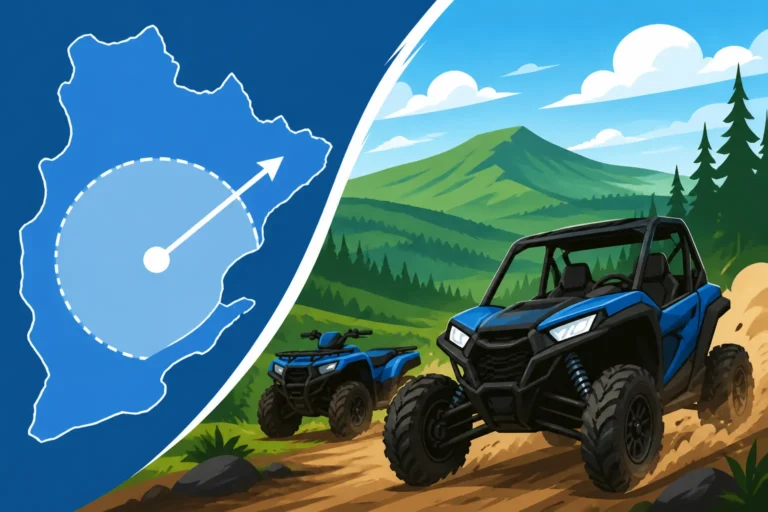
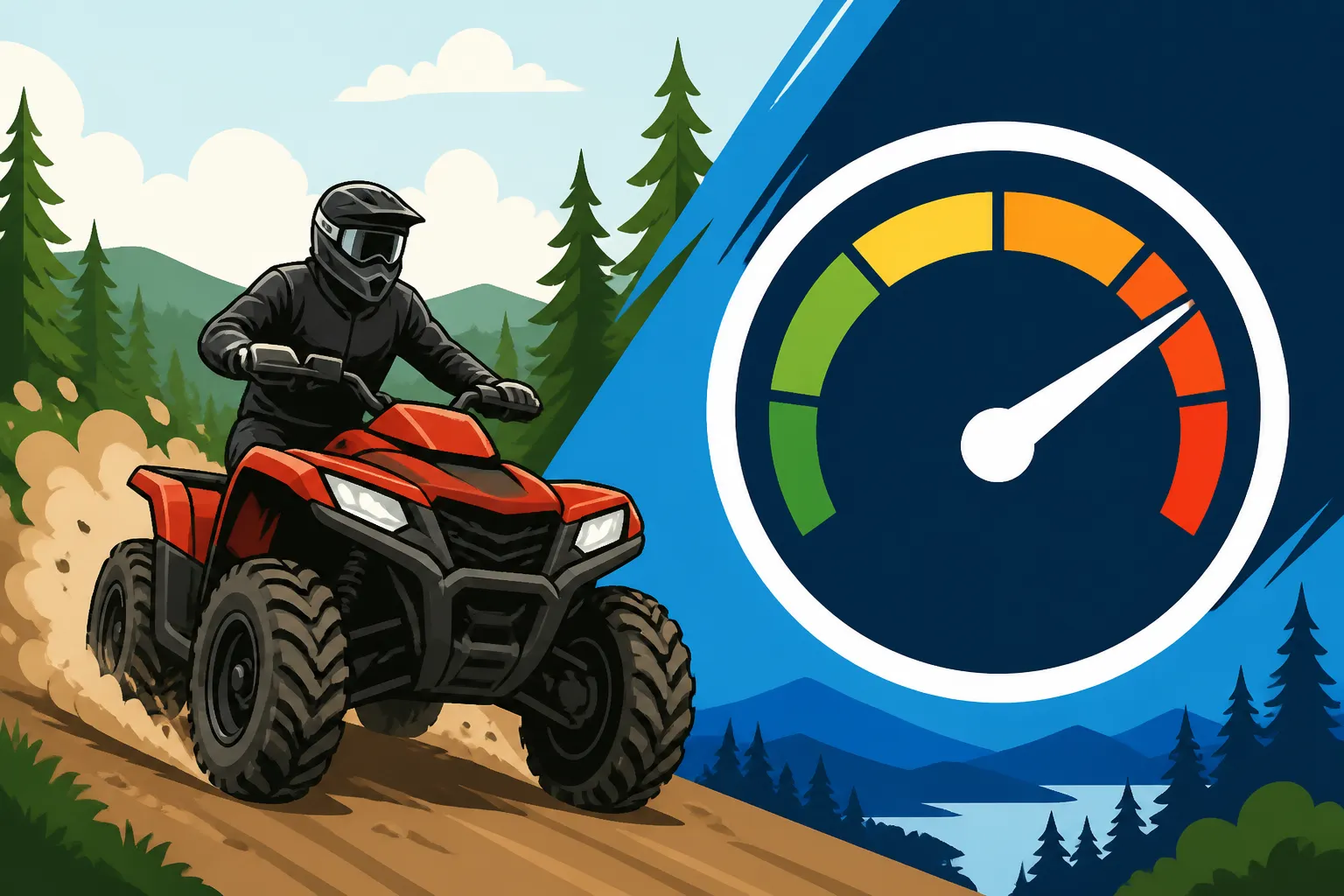
When you're out on any of the thousands of kilometers of managed trails across Quebec, your ATV's speed should not exceed 50 kilometers per hour. This applies whether you're cruising through dense forests, navigating open fields, or traversing dedicated corridors. These trails are meticulously maintained by the Fédération des clubs de VTT du Québec (FQCQ) and its member clubs, and the 50 km/h limit is a cornerstone of their operational guidelines and the province's off-highway vehicle legislation. You can learn more about this network in [Quebec ATV Trails: The FQCQ Network]. Even if a trail feels wide open and inviting you to put the throttle down, that 50 km/h is your absolute ceiling. It's a legal requirement, and trail patrols are out there to ensure compliance.
Consider a beautiful autumn day in the Eastern Townships. You're on a well-groomed FQCQ trail, the colours are vibrant, and the path ahead looks clear for miles. It’s easy to feel the urge to speed up, but that 50 km/h limit is still in effect. This consistent limit helps maintain a predictable and safe environment for all users, including those who might be less experienced, or families riding together. It's about collective responsibility on our shared natural playgrounds.
Why 50 km/h? Balancing Thrill and Safety
You might be asking why the limit is set at 50 km/h. For some, it might feel a bit conservative, especially on long, straight stretches. However, this specific limit isn't arbitrary. It’s a carefully considered balance between allowing riders to enjoy their machines and ensuring safety for everyone on the trail, as well as protecting the environment and minimizing conflict with nearby communities. The trails often feature varied terrain, from tight turns and sudden dips to sections where visibility might be limited due to foliage or elevation changes.
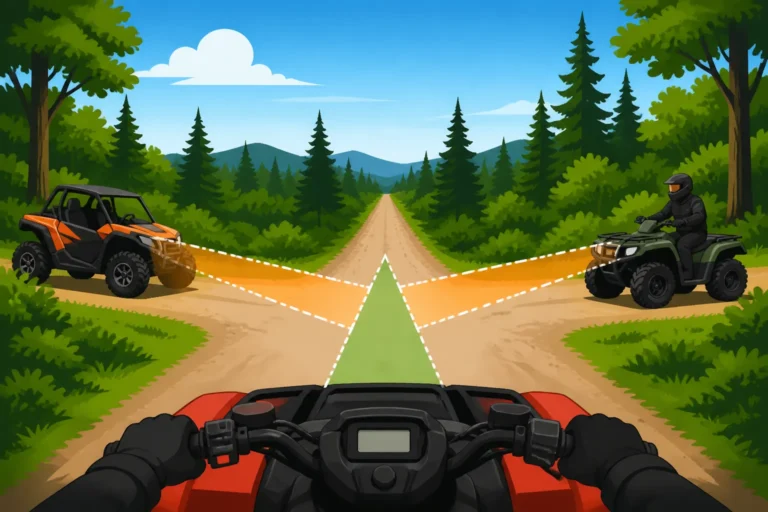
Think about approaching a sharp, blind corner after a long, exhilarating straightaway. If you're adhering to the 50 km/h limit, you have a much better chance of reacting to an unexpected obstacle—be it another rider, a pedestrian, or wildlife like a deer or moose that might suddenly dart across the path. [Why Quebec Caps Quads at 50 km/h] delves deeper into the rationale. Additionally, trails are sometimes shared pathways, and while snowmobiles often have different limits in winter, the ATV limit factors in the potential for varied users and conditions. It's about creating a recreational space where everyone, from seasoned veterans with their SuperATV upgrades to first-time riders, can feel secure and enjoy their experience without undue risk.
Beyond the Basics: Exceptions and Nuances
While 50 km/h is the general rule of thumb for ATVs on Quebec trails, the world of off-highway vehicle regulations isn't always one-size-fits-all. There are specific situations and types of machines that might have slightly different considerations or require extra attention. Understanding these nuances is crucial for staying compliant and safe.
Side-by-Sides and Multi-Passenger Machines
When it comes to side-by-sides (UTVs), often called VCCs (Véhicules côte à côte) in Quebec, the 50 km/h speed limit on federated trails generally applies to them as well. While side-by-sides often feel more stable due to their wider stance and lower center of gravity, they are also typically heavier and larger than traditional ATVs. This increased mass means they require more braking distance and more room to maneuver, especially on tight trails.
The presence of multiple passengers, which side-by-sides are designed for, also adds to the safety considerations. With more people on board, the dynamics of the vehicle change, and the potential consequences of an accident can be greater. So, even though your side-by-side might have a powerful engine, treating the 50 km/h limit as seriously as you would on a single-rider quad is absolutely essential. For more detailed information, especially concerning who can drive these machines, check out [Quebec Rules for a Side-by-Side Driver]. Imagine you're exploring the beautiful Mauricie region with your family in a four-seater side-by-side. While it offers a comfortable ride, its larger footprint means you need to be particularly mindful of corners and varying trail surfaces, making that 50 km/h limit even more pertinent.
Speed on Quebec Roads and Specific Zones
The rules can also shift when you temporarily leave a dedicated trail and venture onto public roads, which is sometimes permitted for short distances in Quebec to connect trail sections or access services. While riding an ATV on public roads is generally restricted, there are specific allowances, such as for a maximum of [Quebec Municipal Road Access Up to 1 Kilometre] to link trails or access services like gas stations. In these limited scenarios, your ATV must adhere to the posted speed limit of the road, but never exceeding the maximum allowed for ATVs on any road, which is typically also 50 km/h. So, even if the road's posted speed is 70 km/h, your ATV is still capped at 50 km/h.
Furthermore, there are specific zones where even on a trail, the speed limit might effectively be lower or require extra caution. For instance, when you're passing near dwellings or residential areas, especially within [Quebec's 100 Metre Rule Near Homes] of a residence, prudence dictates slowing down significantly and minimizing noise. This isn't always a strictly enforced lower speed limit, but rather a crucial point of etiquette and community respect. Additionally, certain special areas or events might have temporary signage indicating reduced speeds, and these must always be respected. This constant vigilance and adaptability to your surroundings are hallmarks of a responsible rider.
Enforcement and Consequences: Riding Within the Law
Understanding the speed limit is one thing, but knowing how it's enforced and what happens if you don't comply is another entirely. Quebec takes its off-highway vehicle regulations seriously, and trail patrols are an active presence on the FQCQ network. It's not just about avoiding a fine; it's about ensuring the safety and longevity of our riding privileges.
Trail Patrols and What They Look For
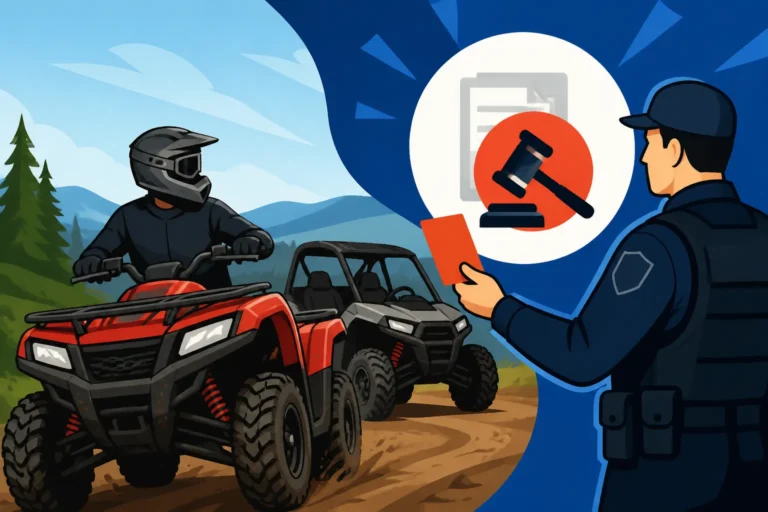
You'll encounter various types of trail patrols out on the Quebec network. This can include volunteers from the FQCQ member clubs, local police forces, and even the Sûreté du Québec. Their role is multifaceted: they assist riders, provide information, and yes, they enforce the rules. They're not just looking for your trail pass; they're also monitoring rider behaviour, which includes speed compliance. Some patrols might use radar guns, while others rely on observation in known problem areas. They're trained to spot tell-tale signs of excessive speed and unsafe riding practices.
When you're stopped by a patrol, they will typically ask to see several documents, including your valid driver's licence and your FQCQ trail pass. You can find more about what they might request in [What a Trail Patrol Can Ask to See] and [Quebec Pass Checks by Patrols]. Remember, these patrols are there for everyone's safety, and a respectful interaction goes a long way. Imagine you're on a long stretch of trail, feeling good, maybe a little over the 50 km/h limit. Suddenly, around a bend, you see a trail patrol vehicle. Being prepared with your documents and adhering to the speed limit means that encounter will be quick and stress-free.
Penalties for Exceeding the Limit
Exceeding the 50 km/h speed limit on Quebec trails can lead to monetary fines, and these aren't just a slap on the wrist. The amount of the fine typically increases with how much you've exceeded the posted limit. While specific amounts can change, it's safe to say that even going a little over can result in a significant penalty. [Quebec Speeding Fines From $90] gives you an idea of the starting point for these tickets, and the costs can climb significantly from there.
Beyond the immediate financial hit, repeated infractions can lead to more serious consequences, though specific demerit point systems are more directly tied to on-road driving licences. However, any interaction with law enforcement resulting in a fine is a mark on your record. It’s also crucial to have all your paperwork in order, including registration and proof of liability insurance, as patrols will check for these too. If you're riding without the necessary documents, or if your machine isn't properly registered, the fines can become even steeper, potentially leading to your machine being impounded. For a clearer picture of potential outcomes, refer to [What Happens After a Quebec Trail Speeding Ticket].
Here’s a general overview of common infractions and their potential consequences:
| Infraction Type | Consequence |
|---|---|
| Exceeding speed limit on a trail | Monetary fine, which increases with speed over the limit. |
| No valid driver's licence | Significant monetary fine, potential impoundment of the machine. |
| No valid FQCQ trail pass | Monetary fine, immediate requirement to purchase a pass, or turn back. |
| No SAAQ registration/insurance proof | Large monetary fines, immediate impoundment of the machine. |
| Impaired riding (alcohol/drugs) | Criminal charges, heavy fines, licence suspension, impoundment. |
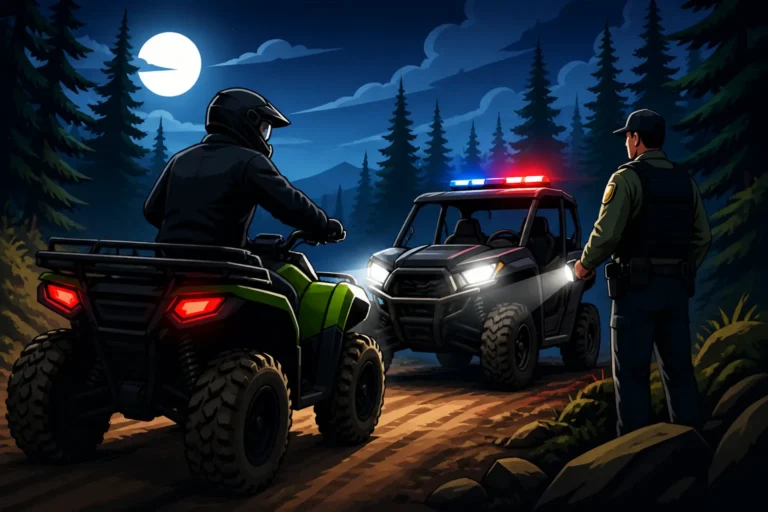
| Riding outside permitted hours | Monetary fine (e.g., [Quebec Night Riding Fines From $250]). |
| Unauthorized road access | Monetary fine (e.g., [Quebec Road Riding Fines From $350]). |
Why Compliance Benefits Everyone
Adhering to speed limits and all other regulations isn't just about avoiding a ticket; it's about being a responsible member of the ATV riding community. Compliance contributes significantly to everyone's safety on the trails, reducing the risk of accidents, injuries, and even fatalities. It also helps preserve the positive image of ATV riders in the eyes of the public and, crucially, with landowners. Many trails cross private land, and respecting the rules is paramount to maintaining good relationships and continued access. You can find more on respectful riding in [Quebec Trail Etiquette Locals Expect].
When a few riders consistently break the rules, whether by speeding, making excessive noise, or trespassing, it can jeopardize access for all. Municipalities might revoke trail access, or landowners might withdraw their permission, leading to trail closures. This kind of negative impact is something no one wants. Riding responsibly helps keep trails open, ensures public support for our sport, and maintains the privilege of exploring Quebec's incredible landscapes on our machines. Even top brands like SuperATV, known for their high-performance parts, emphasize responsible machine use and safety, understanding that a thriving ATV community depends on adherence to rules and respectful conduct.
Practical Tips for Mindful Riding
Beyond simply knowing the speed limit, being a mindful and prepared rider in Quebec means adopting certain habits and taking proactive steps before and during your rides. These practices not only enhance your safety but also contribute to a better experience for everyone on the trails.
Pre-Ride Checks and Route Planning
Before you even swing a leg over your ATV, a thorough pre-ride check is essential. This includes inspecting your tires for proper pressure and damage, checking fluid levels (oil, coolant, brake fluid), testing your brakes, and ensuring all lights are functional. A well-maintained machine is a safer machine. Just as important is your route planning. Quebec's vast trail network offers endless possibilities, but it's crucial to know where you're going and what to expect.
Utilize resources like the FQCQ's iQuad app or their interactive maps to plan your journey. These tools can highlight potential hazards, indicate trail closures, and help you gauge the difficulty of different sections. Always be aware of the current [Quebec Trail Conditions Before You Go], as rain or recent maintenance can significantly alter riding surfaces. Knowing your route helps you anticipate areas where you might need to slow down naturally, like tight turns, steep ascents or descents, or sections near residential areas. Taking a few minutes to prepare beforehand can prevent many headaches and ensure a smoother, more enjoyable ride.
Investing in Safety and Skill Development
Riding an ATV safely isn't just about the machine; it's also about the rider's skill and preparedness. For new riders, or even those looking to brush up on their techniques, investing in proper training is highly recommended. The FQCQ offers various training programs that cover everything from basic machine operation to advanced trail riding techniques, instilling good habits, including understanding and respecting speed limits for different conditions. This is particularly important for younger riders, and information on these requirements can be found in [Quebec FQCQ Training Certificates for Teens].
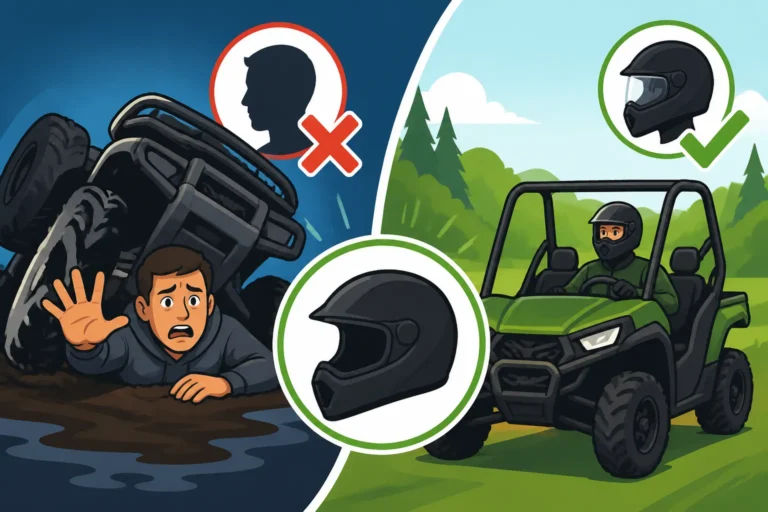
Furthermore, never compromise on safety gear. A good quality, properly fitting helmet with a visor or goggles is non-negotiable. Sturdy boots, gloves, and appropriate riding apparel (long sleeves and pants, even in summer) are equally vital. Even if you have the most robust parts from SuperATV protecting your machine, your personal safety gear is what protects you. Remember, no piece of equipment, however advanced, can fully compensate for a lack of judgment or skill. Developing your riding abilities and consistently using the right safety gear are the best investments you can make for mindful, safe, and enjoyable ATV adventures in Quebec.
Disclaimer
This article is for general informational purposes only and does not constitute professional advice. Laws, prices and regulations vary by location and change over time. Consult a qualified professional for guidance on your specific situation.