Adult Supervision Off Family Land
It’s a common scenario in Quebec: you’ve got a young, eager rider in the family, they’re getting comfortable on their ATV or UTV, and now they want to explore beyond the familiar confines of your backyard or family farm. The idea of hitting a federated trail or even a sanctioned forest road is exciting, but for many parents and guardians, it immediately brings a wave of questions and concerns. What exactly are the rules for adult supervision when kids are riding off your private land? It can feel like navigating a maze of regulations, leaving you worried about fines, safety, and whether you're doing things by the book. This guide aims to clear up the confusion surrounding adult supervision for minors riding ATVs and UTVs off private family land in Quebec, helping you navigate the provincial regulations with confidence so everyone can enjoy the trails safely and legally.
The Foundation: Quebec's Age Rules for ATV and UTV Riders
Before we dive into supervision specifics, it’s crucial to understand the baseline age requirements for off-highway vehicles in Quebec. These rules set the stage for why supervision becomes so critical, particularly when you step away from private property.
Minimum Age Requirements on Federated Trails and Public Land
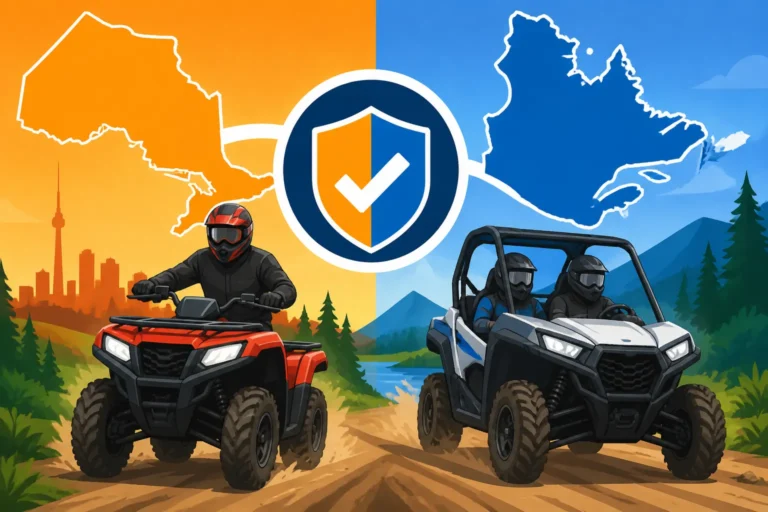
When you’re thinking about hitting the vast network of federated trails maintained by the FQCQ (Fédération Québécoise des Clubs Quads) or venturing onto other public access lands like forest roads, the rules become much stricter than on private property. For ATVs (or VTTs, as they are often called in Quebec), a rider must be at least 16 years old to operate the machine. This isn't just a suggestion; it's a legal requirement. Furthermore, anyone operating an off-highway vehicle on these designated trails or roads must hold a valid driver's licence. This means no learner's permits; it needs to be a full, unrestricted licence. If your teen is 16 or 17, they also have specific training requirements, which we’ll touch on shortly. It's a significant change that came into effect a few years back, reinforcing the seriousness of off-road riding. For side-by-sides (SxS or UTVs), the bar is even higher: drivers must be at least 18 years old. These machines are often larger, heavier, and can carry multiple passengers, leading to increased responsibility and a higher minimum age. Understanding these core age limits is your first step in responsible off-family-land riding. If your child doesn't meet these age requirements, they simply cannot drive these machines on public trails or roads, regardless of who is supervising them.
The Exception: Riding on Private Family Land
It's really important to distinguish between riding on private family land and riding off it, because this is where a lot of the confusion stems from. On land owned by a parent, grandparent, or legal guardian, the strict minimum age requirements for operating an ATV or UTV are relaxed. For example, a child under 16, or even under 18 for a side-by-side, might be able to ride on your personal property. This allowance is made because the landowner assumes direct responsibility for the rider's safety and adherence to internal rules. Many families use this private land exception as a safe training ground for younger riders, teaching them the ropes, how to handle the machine, and basic safety protocols. This is where a child might get their first taste of riding, learning control and confidence in a controlled environment. However, the moment you decide to take that same young rider to a federated trail, a public forest, or any other land that isn't directly owned by a close family member, those private land exceptions immediately vanish. The provincial rules take precedence, and that means adhering to the 16-year-old minimum for ATVs and the 18-year-old minimum for side-by-sides, along with the driver's licence requirement. This is the critical distinction that guides everything else we'll discuss about adult supervision off family land.
Decoding Adult Supervision Requirements for Minors Off Family Land
When a minor is riding an ATV or UTV off private family land in Quebec, adult supervision isn't just a good idea; it's a legal imperative with specific implications. The rules are designed to protect the young rider, other trail users, and the environment.
What "Adult Supervision" Legally Means
In Quebec, "adult supervision" for ATV and UTV activities generally implies that a person aged 18 or older is present, responsible, and actively overseeing the minor's actions. It's not enough for an adult to simply be "around" or waiting at the trailhead. The supervising adult must be capable of intervening, guiding, and ensuring the minor adheres to all applicable laws and safety guidelines. This means they should be close enough to maintain visual contact and be able to communicate effectively with the young rider, whether through direct vocal commands or communication devices. The adult essentially becomes the on-site enforcer and primary safety officer. They are responsible for making sure the minor rides within their skill level, respects speed limits, stays on marked trails, and uses appropriate safety gear. This level of active engagement is paramount, especially on trails where unforeseen obstacles, varied terrain, and other riders are present. The idea is to have an experienced, legally responsible individual constantly monitoring the situation to prevent accidents and ensure compliance.
The Mandate for 16 and 17-Year-Old ATV Riders
While 16 and 17-year-olds are generally allowed to operate ATVs on designated trails and public lands (provided they have a valid driver's licence), they have an additional, crucial requirement: they must hold a valid [Quebec FQCQ Training Certificates for Teens]. This certificate is earned by completing a recognized safety course, typically offered through the FQCQ or accredited partners. Even with this certificate and a driver's licence, the spirit of adult supervision often still applies, particularly if they are part of a larger group ride with adults. An adult leading the ride, while not strictly "supervising" a fully legal 16 or 17-year-old, still carries a general responsibility for the group's safety and conduct. They are the experienced eyes, setting the pace, navigating the route, and watching out for everyone. For instance, an adult might use robust two-way radios, perhaps part of a system from a brand like SuperATV, to maintain constant communication with their 16 or 17-year-old, offering guidance on challenging terrain or alerting them to upcoming turns. This collaborative approach enhances safety for everyone, even when the young rider meets all legal requirements to ride independently.
Side-by-Side (UTV) Specific Supervision Rules
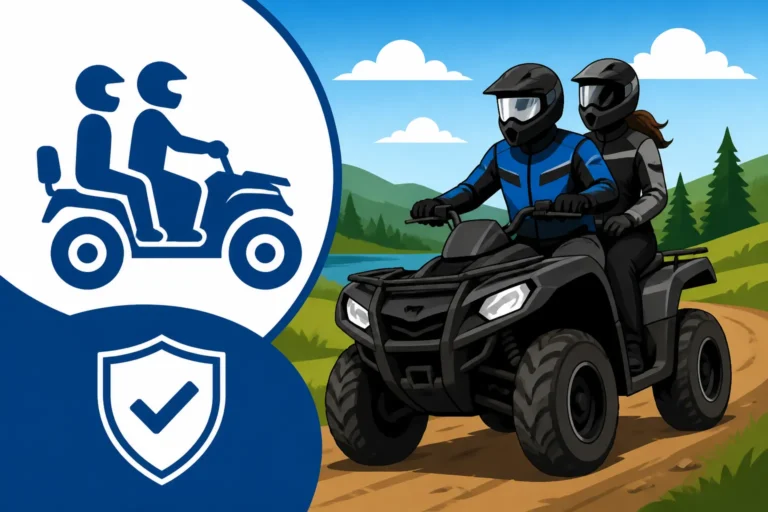
The rules for side-by-sides are distinct and must be carefully observed. As mentioned, the minimum age to drive a side-by-side off family land in Quebec is 18 years old, and a valid driver's licence is required. This means that unlike ATVs, a 16 or 17-year-old, even with their FQCQ training certificate, cannot legally get behind the wheel of a UTV on a federated trail or public road. This is a clear and unwavering rule. If a minor is riding in a side-by-side, it must be as a passenger, with an adult (18+) who holds a valid driver's licence at the controls. In this scenario, the adult driver is inherently providing the supervision, responsible for the safety of all occupants, including the minor passenger. They must ensure the minor is properly secured with seatbelts, that the machine's passenger capacity isn't exceeded, and that all general safety rules, such as helmet use if applicable in certain contexts, are followed. The strict [Quebec Side-by-Side Age Rule of 18] cannot be circumvented by adult supervision; it applies to the driver, not just the presence of a supervisor.
The Supervisor's Responsibility and Potential Consequences
Assuming the role of an adult supervisor for a minor riding off-highway vehicles off family land in Quebec is a significant responsibility, carrying with it legal and ethical implications. It's not just about watching; it's about being accountable.
Legal Liability for Supervising Adults
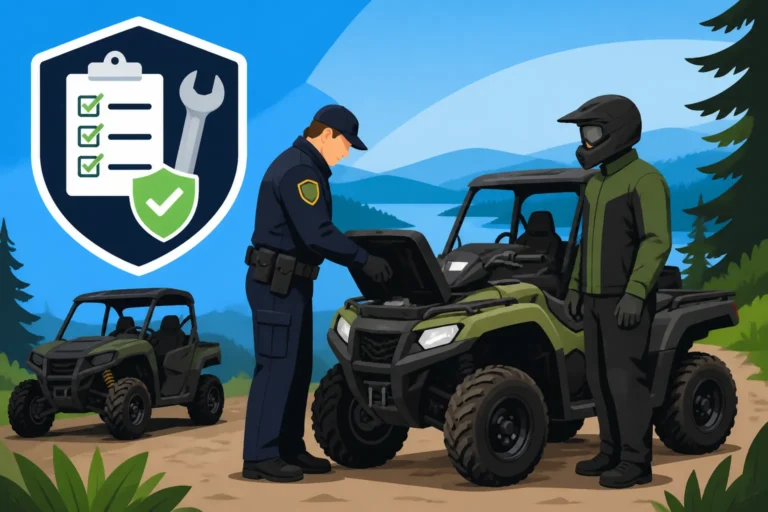
When you supervise a minor riding an ATV or UTV off family land, you are essentially stepping into a role of legal accountability. If that minor commits a violation of the [Quebec ATV Road Rules Under the LVHR] or any other provincial regulations – whether it's speeding, riding in a prohibited area, or operating without the correct papers – the supervising adult can be held responsible. This means that you could face fines and penalties. For instance, if a minor under your supervision is caught without a proper helmet, or if their machine doesn't meet [Quebec Equipment Checks by Patrols], the ticket could very well be issued to you, the adult in charge. In the unfortunate event of an accident, your responsibility could extend even further, potentially involving civil liability if the minor causes damage or injury to others. The province takes the safety of young riders very seriously, and the law places a heavy emphasis on adult oversight to prevent incidents. This is why understanding and actively enforcing the rules is so critical. Think of it this way: your presence isn't just for guidance; it's a legal assurance that the rules are being followed.
Ensuring Proper Equipment and Safety Compliance
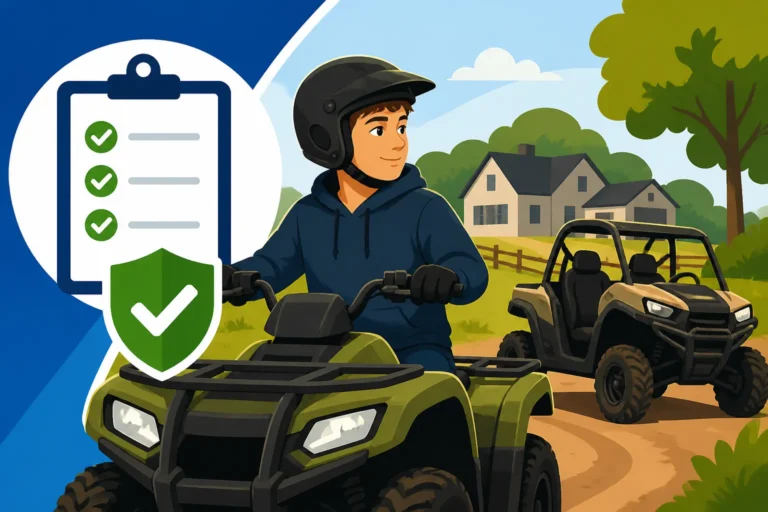
Part of the supervising adult's responsibility is to ensure that the minor is not only riding legally but also riding safely. This includes a thorough check of both the rider's personal protective equipment and the machine itself. The supervisor must confirm the minor is wearing a helmet that complies with [Quebec Helmet and Visor Rules], which means it must be properly fastened, in good condition, and meet safety standards. Goggles or a visor are also crucial for eye protection. Beyond the helmet, appropriate riding gear like sturdy boots, long pants, a long-sleeved shirt, and gloves are highly recommended to protect against scrapes, impacts, and environmental elements.
Furthermore, the machine the minor is riding must be in safe operating condition. This means checking tires, brakes, lights, and ensuring all controls are functioning correctly. The ATV or UTV should be sized appropriately for the rider, allowing them to comfortably reach controls and maintain balance. An adult might consider adding safety features to the minor's machine, or even their own, from a reputable brand like SuperATV, such as enhanced skid plates for protection, or perhaps a winch for recovery in sticky situations. These additions, while not always legally mandated, demonstrate a proactive approach to safety that falls squarely under the supervisor's purview. It’s about mitigating risks and being prepared for anything the trail might throw at you.
Practical Strategies for Effective Off-Family-Land Supervision
Being an effective supervisor isn't just about being present; it's about being prepared, communicative, and proactive. When you're venturing off private land, a structured approach to supervision makes all the difference for a safe and enjoyable outing.
Pre-Ride Planning and Communication
Effective supervision begins long before you even hit the trailhead. Start by sitting down with the minor and thoroughly discussing the planned route, potential hazards, and all the rules they must follow. This includes reminders about speed limits, staying on marked trails, yielding to other riders or hikers, and what to do in case of a breakdown or emergency. Emphasize that communication is key. If you're leading, they should always be able to see you, and vice versa. Consider investing in two-way radios or helmet-mounted communication systems. Brands like SuperATV offer robust communication solutions that can be incredibly useful for maintaining contact with your young rider, especially if they’re on their own machine slightly behind you. This allows for real-time guidance, warnings about upcoming obstacles, or simply checking in.
Before you leave, have a clear plan for your [Quebec Group Ride Planning], even if it's just you and one minor. Where will you stop for breaks? What's your turnaround time? What's the plan if someone gets separated or has an issue? Having these conversations and agreements in place beforehand empowers the minor with knowledge and sets clear expectations, which significantly reduces the chances of issues once you’re out on the trails.
Leading by Example and Maintaining Control
As the supervising adult, you are the role model on the trail. Your riding habits, adherence to rules, and attitude will be closely observed by the minor. Always lead by example: wear your helmet, obey speed limits, respect trail etiquette, and never ride impaired. This consistent behavior reinforces the importance of safe and responsible riding. Maintain a pace that is comfortable and safe for the least experienced rider in your group. Avoid pushing the minor beyond their skill level or comfort zone, especially on challenging sections. The goal is to build confidence, not instill fear.
During the ride, you must maintain control. This means being vigilant, constantly checking on the minor's position, riding style, and any signs of fatigue or distress. If you observe them struggling or making unsafe choices, you must be prepared to intervene immediately. This could involve slowing down, pulling over for a quick coaching session, or even taking a break if necessary. Your authority and guidance are crucial. Remember that a casual oversight could quickly escalate into a serious incident.
What to Carry and Be Prepared For
Preparation is a hallmark of responsible supervision. Beyond the necessary permits and documentation, assemble a well-stocked kit for your ride. This should include a comprehensive first-aid kit for minor injuries, sufficient water and snacks, and basic tools for minor machine repairs (like a tire repair kit, small wrench set, and spare spark plug). Always carry fully charged cell phones, but also consider a satellite communication device or a GPS unit for areas with poor cell service.
Ensure both your machine and the minor's machine have all required legal documents, including proof of [Quebec Insurance Proof on the Machine] and up-to-date registration. While your trail pass sticker is visible, having the physical [Quebec Registration Paperwork Checklist] documents with you is always a good idea in case you encounter a trail patrol or have to deal with an accident. Familiarize yourself with [Quebec Accident Reporting Rules] in case of an incident. Being prepared for common mishaps – from a flat tire to a minor fall – allows you to handle situations calmly and efficiently, ensuring the minor's safety and minimizing stress for everyone. This proactive approach underscores your commitment to responsible supervision and creates a safer environment for everyone to enjoy Quebec's beautiful trails.
| Age of Rider | Off Family Land? | Driver's Licence Required | FQCQ Training Certificate (ATV) | Adult Supervision Required (Explicitly) |
|---|---|---|---|---|
| Under 16 | No | No (on private land) | No (on private land) | Yes (Implicitly on private land) |
| Under 16 | Yes | No | No | Yes (Minor cannot drive ATV/UTV) |
| 16-17 (ATV) | Yes | Yes (full licence) | Yes | No (can ride independently if certified & licensed) |
| 16-17 (UTV) | Yes | No (cannot drive UTV) | N/A (cannot drive UTV) | Yes (as passenger only) |
| 18+ (ATV/UTV) | Yes | Yes (full licence) | No (for ATV, N/A for UTV) | No (can ride independently) |
Disclaimer
This article is for general informational purposes only and does not constitute professional advice. Laws, prices and regulations vary by location and change over time. Consult a qualified professional for guidance on your specific situation.