What Counts as Impaired on a Quebec Trail
There's nothing quite like the freedom of exploring Quebec's vast network of ATV and UTV trails, taking in the stunning landscapes, and enjoying the camaraderie of fellow riders. But that freedom comes with immense responsibility, and one of the most critical aspects of safe riding is understanding what constitutes impaired operation. It's a common misconception that off-road rules are somehow more lenient than those on public roads, and this guide is here to bust that myth wide open, clearly outlining what counts as impaired on a Quebec trail and the serious consequences that follow.
Understanding Impaired Driving Laws in Quebec for Off-Road Vehicles
When you're out on the trails, carving through the forest or cruising along a scenic route, it might feel worlds away from the paved roads of the city. However, Quebec's laws regarding impaired driving extend directly to your off-road machine, whether it's an ATV, a side-by-side, or any other motorized off-highway vehicle. The rules are serious, and the authorities, including police and trail patrols, are equipped to enforce them rigorously. It’s not just about what you drink; it’s about any substance that affects your ability to operate your machine safely.
The Legal Framework: How Quebec Defines Impairment for ATV/UTV Riders
In Quebec, the legal definition of impairment isn't solely tied to a specific blood alcohol content (BAC) level, although that is certainly a key factor. The law, specifically the Act respecting off-highway vehicles (often referred to as the LVHR), takes a comprehensive approach. It essentially mirrors the Criminal Code of Canada provisions for impaired driving, meaning that if you wouldn't be able to drive your car on the road, you certainly shouldn't be operating your quad on a trail. This includes operating a machine while your ability to do so is impaired by alcohol or drugs, or having a BAC of 80 milligrams or more of alcohol in 100 millilitres of blood (0.08%).
What does this mean in practice? It means that law enforcement or trail patrols are looking for visible signs of impairment. This could be anything from erratic driving, swerving, difficulty maintaining speed, or inappropriate braking. When stopped, they might observe slurred speech, confusion, red eyes, or an odor of alcohol or cannabis. Even if you feel perfectly capable, if your abilities are demonstrably reduced in the eyes of the law, you are considered impaired. It’s a very low tolerance standard for anyone behind the handlebars or wheel, and it's for everyone's safety, including your own and other riders on the trail. Remember, the SAAQ, which is Quebec's vehicle registration and insurance board, takes these matters very seriously, and any infraction can have ripple effects on your driving record. [Quebec ATV Road Rules Under the LVHR] details some of the general operating rules, but impairment is a foundational rule.
Beyond Alcohol: Other Substances That Can Lead to Impairment
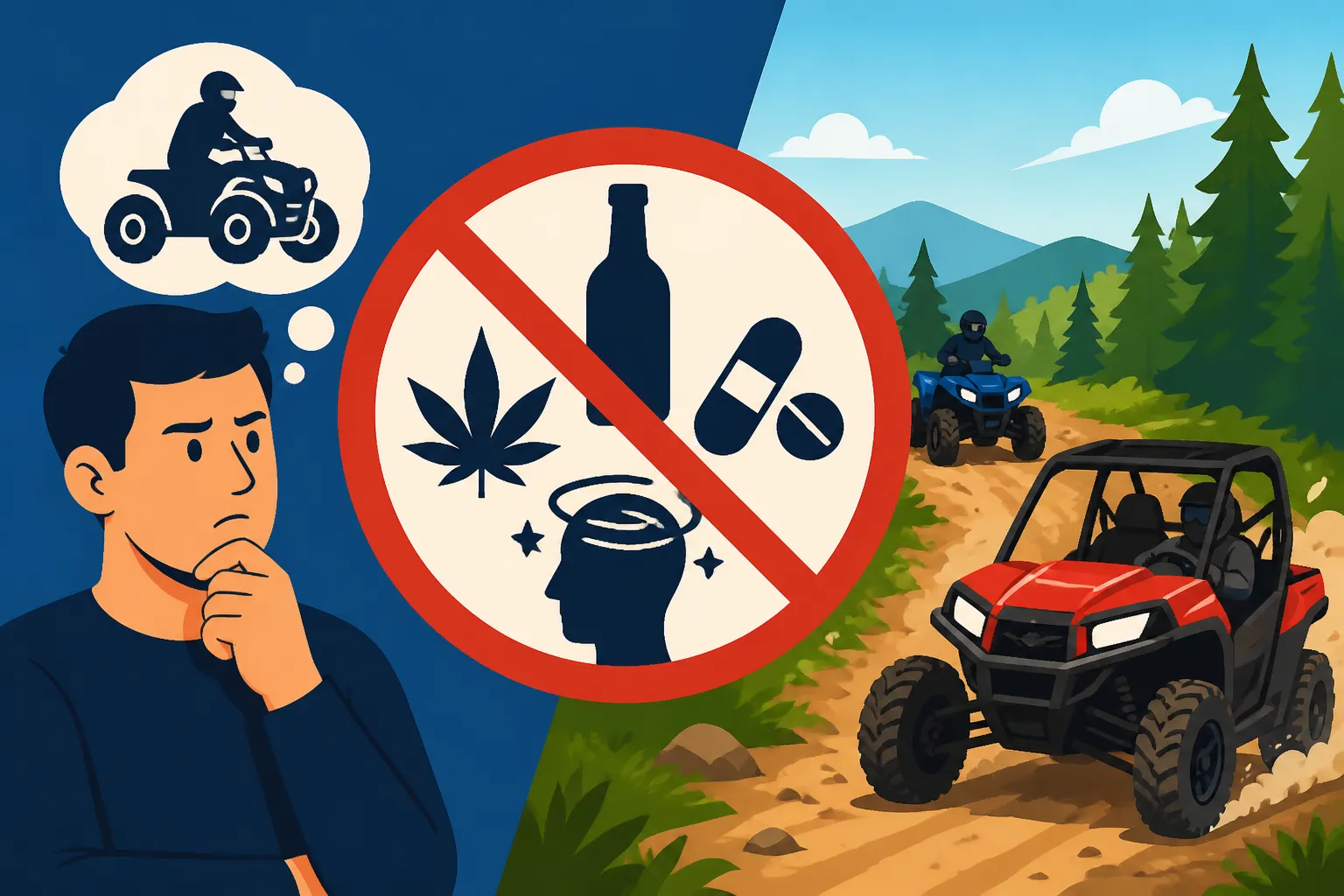
It's crucial to understand that impairment isn't just about alcohol. In today's landscape, cannabis and other recreational drugs, as well as many prescription medications, can also impair your ability to safely operate an ATV or UTV. Quebec's laws are clear on this: if any substance, or combination of substances, affects your judgment, coordination, reaction time, or spatial awareness, you are considered impaired. This means:
- Cannabis: Even legal cannabis can cause impairment. The law applies whether you've smoked, vaped, or ingested edibles. The effects can vary widely and last longer than many people realize, especially with edibles. It's not about how you feel; it's about objective impairment.
- Prescription Medications: Many prescribed drugs, especially those for pain, anxiety, or sleep, carry warnings about operating heavy machinery or driving. Always read the labels carefully and consult your doctor or pharmacist about how your medication might affect your ability to ride an ATV safely. What might be fine for walking around might be dangerous when navigating rough terrain.
- Over-the-Counter Drugs: Even seemingly innocuous cold and flu medications, antihistamines, or sleep aids can cause drowsiness or other side effects that impair your riding abilities. Again, check the labels!
- Fatigue: While not a substance, extreme fatigue can mimic impairment and is equally dangerous. If you're exhausted, your reaction time slows, your attention wanders, and your judgment is compromised. It’s a silent but deadly form of impairment that can lead to serious accidents.
The bottom line is that anything that alters your state of mind or physical capabilities to the point where you cannot safely and competently operate your machine is considered impairment. Being caught under the influence of any of these substances carries the same severe legal consequences as alcohol impairment. The trail experience is meant to be exhilarating and safe, not risky due to poor judgment.
Consequences of Impaired Riding on Quebec Trails
The penalties for impaired riding on Quebec trails are no joke. They are designed to deter dangerous behaviour and protect everyone using the federated trail network and other authorized riding areas. These consequences can range from immediate fines and administrative sanctions to long-term criminal records and significant financial burdens. It's an experience no rider wants to face, and the repercussions can affect not only your ability to ride, but your everyday life.
Immediate Penalties and Fines You Could Face
If you are stopped by law enforcement or a trail patrol officer and found to be impaired, the immediate consequences can be swift and severe. This isn't just a slap on the wrist; it's a serious legal matter.
Here's a breakdown of what you might face:
- Immediate Licence Suspension: One of the most common immediate actions is the administrative suspension of your driver's licence. Yes, your road driver's licence. Since [Quebec Requires a Driver's Licence Since 2021] to operate an ATV on trails, an impaired riding offence on an ATV affects your ability to drive any vehicle. This suspension can be for a fixed period, often 90 days, even before any criminal charges are laid or heard in court.
- Vehicle Impoundment: Your ATV or UTV can be immediately seized and impounded. This means you'll be footing the bill for towing and storage fees, which can quickly add up. Imagine your machine being hauled away, leaving you stranded.
- Significant Fines: Quebec Impaired Riding Fines From $450. These are the minimum fines, and they can escalate dramatically based on the severity of the impairment, whether it's a repeat offence, or if there was an accident involved. It’s a financial hit that far outweighs the cost of skipping a drink or planning alternative transportation.
- Criminal Charges: Beyond administrative penalties, impaired driving on a trail can lead to criminal charges under the Criminal Code of Canada. This is the most serious consequence, turning a recreational outing into a court case.
- Demerit Points: While the direct link to off-road penalties and demerit points on your SAAQ driving record might seem fuzzy to some, an impaired conviction almost certainly comes with demerit points, further impacting your driving privileges.
Consider this table outlining some potential immediate consequences:
| Action / Situation | Potential Immediate Consequence |
|---|---|
| First offence, BAC 0.08% or more | Immediate 90-day licence suspension, vehicle impoundment |
| First offence, impairment by drug | Immediate 90-day licence suspension, vehicle impoundment |
| Refusing a breathalyzer/drug test | Immediate 90-day licence suspension, vehicle impoundment, criminal charges |
| Significant impairment (e.g., very high BAC) | Higher fines, longer suspension, potential criminal charges |
| Impairment causing bodily harm or death | Severe criminal charges, lengthy prison sentences, permanent driving ban |
These immediate actions are designed to ensure safety and prevent further harm. They are a stark reminder that the fun stops when impairment begins. [Quebec Impaired Riding Penalties] can give you even more context on the long-term impact.
Long-Term Repercussions on Your Licence and Record
The immediate fallout from an impaired riding charge is just the beginning. The long-term consequences can be far-reaching, impacting your life for years to come. These aren't just minor inconveniences; they can fundamentally alter your mobility, finances, and even future opportunities.
- Criminal Record: If convicted of a criminal impaired driving offence, you will have a permanent criminal record. This can affect your ability to travel to certain countries, impact employment opportunities, and even influence housing applications or volunteer positions. It's a heavy burden to carry, all stemming from a decision made on the trail.
- Extended Licence Suspensions: Beyond the initial administrative suspension, a court conviction will typically result in a mandatory, much longer licence suspension. This could be one year for a first offence, and even longer for subsequent offences. Imagine a year or more without being able to drive your car, let alone your ATV. This loss of mobility can profoundly impact your daily life, work, and personal freedom.
- Increased Insurance Costs: After an impaired driving conviction, your vehicle insurance premiums (for both your car and your ATV) will skyrocket. Many insurance companies consider impaired driving a high-risk offence, and some may even refuse to insure you, leaving you with limited, expensive options. The financial strain can be immense and last for many years.
- Mandatory Programs: Depending on the severity and repeat nature of the offence, you may be required to complete specific programs, such as alcohol or drug education courses, at your own expense, before your licence can be reinstated.
- Ignition Interlock Device: For repeat offenders, or even some first offenders in serious cases, you might be required to install an ignition interlock device in any vehicle you drive (including your car) for a specified period. This device prevents your vehicle from starting if it detects alcohol on your breath.
These long-term repercussions underscore the gravity of impaired riding. It's a decision that can haunt you for years, making a strong case for always riding sober.
Staying Safe and Avoiding Impairment on the Trails
The best way to deal with the consequences of impaired riding is to avoid it altogether. It really comes down to making smart choices before you even think about getting on your machine. The goal is to ensure that every ride is a safe and enjoyable one, not just for you, but for everyone else enjoying the Quebec outdoors. Responsible riding means always being fully in control, and that includes being sober and alert.
Planning Ahead: Designating a Driver and Alternatives
If you know there's a chance that alcohol or other substances might be consumed on your outing, planning ahead is absolutely critical. This isn't just a good idea; it's a necessity for your safety and legal protection.
- Designate a Sober Rider: Just like with cars, the simplest solution is to designate one person in your group who will remain completely sober and be responsible for operating the ATVs or UTVs. This person commits to not consuming any impairing substances for the entire duration of the ride. Make this decision before you leave, and stick to it.
- Arrange for Transportation: If everyone in your group plans to enjoy some adult beverages or other substances, then your ATVs and UTVs should stay parked. Arrange for a sober driver to pick you up and drop you off, or plan to stay overnight at a cabin or campground where you can walk safely to your sleeping quarters.
- Trailering Your Machine: If you’re heading to a specific trail network or remote camp where you anticipate social drinking, consider trailering your machine in and leaving it securely parked. Then, when it's time to ride, you can do so completely sober. Remember, even trailering your quad while impaired is a significant risk, as it ties back to your driving abilities on public roads.
- Focus on the Ride: Sometimes, the best way to avoid impairment is to simply make the ride the main event. Enjoy the challenge of the terrain, the beauty of nature, and the pure thrill of operating your machine. Save the socializing and substance consumption for after the ride, when your machine is safely parked for the day or night.
Making these choices proactively ensures that you can fully enjoy the Quebec trails without putting yourself or others at risk, and without inviting serious legal trouble.
Machine Modifications and Impairment Prevention
While no machine modification can prevent impairment itself, ensuring your ATV or UTV is in top mechanical condition can reduce other risks, allowing a sober rider to focus purely on the trail and react appropriately to any situation. Think of it this way: a well-maintained, properly equipped machine removes variables that could compound a dangerous situation, especially if judgment is even slightly off.
Here are a few ways responsible machine ownership and maintenance tie into overall safety:
- Regular Maintenance Checks: Before every ride, perform a quick check of your brakes, tires, steering, and lights. Ensure all components are functioning as they should. A problem with your machine, combined with even slight impairment, is a recipe for disaster.
- Quality Components for Reliability: Investing in high-quality, durable parts can enhance your machine's reliability and performance. For instance, components like heavy-duty axles, robust suspension arms, or stronger steering racks (which you can find at places like SuperATV) can help ensure your machine handles predictably and safely, especially on challenging terrain. A machine that is predictable is always safer for a sober rider.
- Visibility Enhancements: Adding extra lighting, reflective tape, or a bright flag can increase your visibility to other riders, particularly in dusty conditions, dense forests, or at dawn and dusk. While these don't prevent impairment, they reduce the chances of an accident caused by other factors, leaving less room for error if a rider were to be less than 100% focused.
- Passenger Safety: If you operate a side-by-side that can carry passengers, ensure all safety belts are functional and all occupants understand safety protocols. Never exceed the manufacturer's passenger capacity. SuperATV offers many accessories that enhance the safety and comfort of your UTV, but these are only effective when combined with a sober, attentive driver. [Quebec Passenger Rules on an ATV] and [Quebec Rules for Passengers on a Quad] are crucial reading.
Remember, even the best parts and the most rigorous maintenance schedule cannot compensate for an impaired operator. These are all supplementary layers of safety for a rider who is making responsible choices.
What to Do if You Suspect Someone is Impaired
It can be uncomfortable, but if you're out on the trails and you suspect another rider, or even someone in your own group, is impaired, you have a responsibility to act. Ignoring the situation could lead to serious injury or even death for them or for innocent bystanders.
Here's how you can approach it:
- Speak Up (Respectfully): If it's someone you know, approach them calmly and privately. Express your concerns directly and firmly. Offer alternatives: "Hey, I really don't think you should be riding right now. Let's get the quad put away, and I'll drive you back to camp." Or, "Why don't we call it a day, park the machines, and we can all relax without the risk?"
- Offer Alternatives: Focus on solutions rather than accusations. Suggest that they stop riding, offer to drive them home or back to camp, or help them secure their machine.
- Contact Authorities: If the person refuses to cooperate, or if you encounter a stranger who is clearly impaired and posing a danger, do not hesitate to contact local law enforcement (SQ – Sûreté du Québec) or a federated trail patrol officer. Provide as much detail as possible about the location, the machine, and the rider's appearance and behaviour. It's better to be safe than sorry. The FQCQ, which manages the [Quebec ATV Trails: The FQCQ Network], works closely with authorities to ensure rider safety.
- Do Not Engage in Confrontation: If the impaired person is aggressive or unresponsive, do not put yourself in harm's way. Your priority is to ensure safety, which sometimes means disengaging and contacting the proper authorities from a safe distance.
- Lead by Example: Always demonstrate responsible riding practices yourself. Your actions speak louder than words, and by consistently choosing to ride sober, you contribute to a safer and more enjoyable trail community for everyone.
The trails are a shared resource, and we all have a part to play in keeping them safe. Standing up against impaired riding, even when difficult, is a crucial aspect of being a responsible ATV or UTV enthusiast.
Disclaimer
This article is for general informational purposes only and does not constitute professional advice. Laws, prices and regulations vary by location and change over time. Consult a qualified professional for guidance on your specific situation.