Does Your Helmet Need a Visor or Goggles?
Riding an ATV or side-by-side in Quebec is an exhilarating experience, but trying to decipher all the gear rules can sometimes feel like a ride through a rocky section of trail. One question that pops up a lot, causing a fair bit of head-scratching, is whether your helmet has to have a visor, or if a good pair of goggles will do the trick. This guide is here to clear up that confusion, diving deep into Quebec's regulations on eye protection so you can hit the trails with confidence and stay on the right side of the law.
Navigating Quebec's ATV Helmet Laws: The Foundation
Before we get into the nitty-gritty of visors and goggles, it’s crucial to understand the bedrock of Quebec’s off-highway vehicle safety laws: the helmet itself. The province takes rider safety very seriously, and proper head protection isn't just a suggestion; it's a non-negotiable requirement for virtually all riders on Quebec trails and designated paths.
The Mandate for Head Protection
Let's be frank: helmets save lives. Quebec's lawmakers know this, which is why the [Quebec ATV Helmet Rules] are crystal clear: anyone operating or riding as a passenger on an ATV or side-by-side must wear an approved helmet. This isn't just for organized club trails; it applies on most public lands where off-highway vehicles are permitted, and even on private land unless specific, highly limited conditions are met (which usually don't apply to recreational riding).
The frustration many riders feel is that what seems like common sense sometimes gets bogged down in legal specifics. You bought a helmet, you wear it, so you should be good, right? Well, almost. The intention behind the law is simple: minimize head injuries. But how that's achieved through specific gear choices, especially when it comes to eye protection, can sometimes be a bit of a grey area until you dig into it. The spirit of the law is about ensuring your safety and the safety of your passengers, not just ticking a box.
Understanding the "Approved Helmet" Standard
When the law says "approved helmet," it's not just talking about any old hard hat. An approved helmet means one that meets recognized safety standards. In Canada, this typically refers to standards like DOT (Department of Transportation, American), ECE (Economic Commission for Europe), or Snell. These certifications mean the helmet has undergone rigorous testing for impact protection, penetration resistance, and retention system strength. If your helmet doesn't have one of these stickers or labels, it might not be considered "approved," even if it looks protective.
It’s worth checking your helmet for these certifications. Many riders buy a helmet, wear it for years, and never think to verify its approvals. But a trail patrol officer or a Sûreté du Québec constable certainly will be looking for it if they stop you. Beyond legal compliance, these standards are there for your safety. A cheap, uncertified helmet simply won't offer the same level of protection as one that has passed these tests. So, before you even consider visors or goggles, ensure your primary piece of safety gear meets the mark.
The Core Question: Visor or Goggles for Your Quebec Rides?
This is the big one, the question that often sparks debate around the campfire or in online forums: when it comes to eye protection while riding your ATV or UTV in Quebec, are you legally bound to a visor, or are goggles a perfectly acceptable alternative? The answer, thankfully, is quite straightforward once you cut through the noise.
What the Law Says About Eye Protection
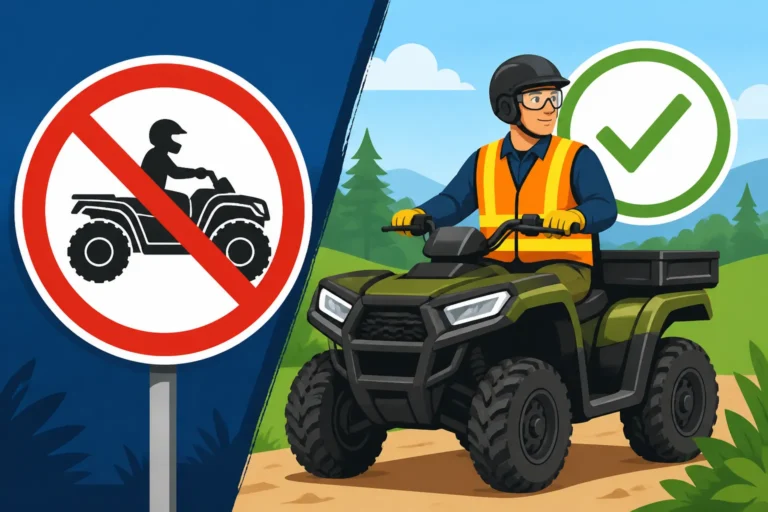
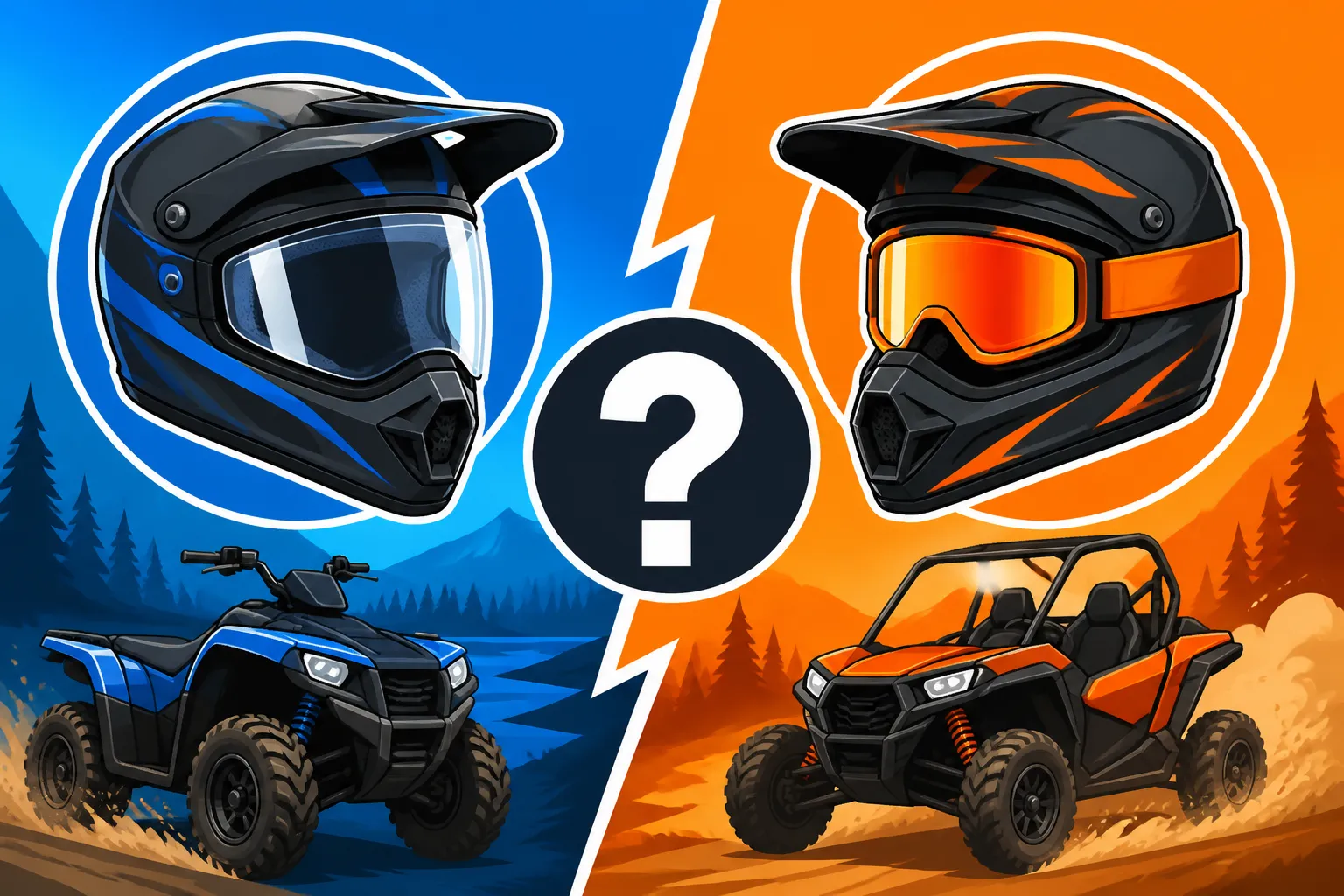
Let's address the elephant in the room directly: [Does Your Helmet Need a Visor or Goggles?]. The short answer is that yes, you absolutely need eye protection, but the law doesn't strictly mandate an integrated visor or goggles specifically. What the Off-Highway Vehicle Act (or, more formally, the Loi sur les véhicules hors route or LVHR) requires is that your face and eyes must be protected by either a visor that is an integral part of the helmet, or by separate goggles designed for off-highway vehicle use.
This means you have options! If you prefer a full-face helmet with a clear or tinted visor, you're good to go. If you lean towards an open-face or motocross-style helmet, then a pair of quality goggles that fit snugly and provide full eye coverage will satisfy the legal requirement. The key is protection from debris, wind, dust, and insects that you’ll encounter on the trail. Imagine hitting a patch of gravel and having a small rock bounce up towards your face – that’s what this rule is designed to prevent.
Practical Benefits of Visors on Quebec Trails
Integrated visors, typically found on full-face or modular helmets, offer a distinct set of advantages, particularly for certain types of riding in Quebec. Their biggest draw is convenience; it's one less piece of gear to remember. You just pull on your helmet, snap down the visor, and you're ready to roll. They create a more sealed environment, which can be a huge plus when you're battling the elements. Think about those chilly mornings in the Laurentians, or a sudden downpour – a visor provides excellent protection from wind, rain, and cold air hitting your face directly.
Visors are also fantastic for keeping out dust and flying insects. If you’ve ever had a bee hit your face at 50 km/h, you know the value of a barrier! They offer a wide, unobstructed field of vision, and many come with anti-fog coatings or pinlock systems to help maintain clarity in humid or cold conditions. For riders who enjoy long, continuous stretches of trail where you're not constantly stopping and starting, a full-face helmet with a well-maintained visor can provide a seamless and comfortable experience.
The Case for Goggles and Open-Face Helmets
On the flip side, many riders swear by goggles, especially those who prefer open-face or motocross-style helmets for their ATV or UTV adventures. Goggles excel in situations where airflow and anti-fogging are paramount. When you're working hard on challenging terrain, or it’s a hot, humid Quebec summer day, goggles tend to fog up less than an integrated visor, largely due to better ventilation. Plus, if you wear prescription glasses, a good pair of goggles can often be worn over them much more comfortably than trying to squeeze glasses under a full-face visor.
The versatility of goggles is another major selling point. You can swap out lenses for different light conditions – clear for night riding, tinted for bright sun, or even amber for low-light situations. Many riders find the combination of an open-face helmet and goggles less restrictive and more comfortable for technical riding or when frequent stops are part of the journey. Companies like SuperATV offer a fantastic range of helmet accessories, including high-quality goggles with various lens options, allowing riders to customize their eye protection perfectly for their specific needs and riding conditions. This flexibility ensures you can always have optimal vision, no matter what the Quebec trails throw your way.
Specific Situations: When Rules Shift for Eye Protection
While the general rule of "helmet with eye protection" covers most recreational riding in Quebec, there are always unique scenarios and specific exemptions. It’s important to understand these to ensure you're compliant, especially if your riding isn't just for leisure.
Exceptions for Specific Professions
One of the most notable exceptions in Quebec's Off-Highway Vehicle Act relates to specific professional activities. For instance, [Trapping Under 30 km/h Without a Helmet] is a specific exemption that often surprises people. If you are operating an off-highway vehicle (like an ATV) for the purposes of trapping, at a speed not exceeding 30 km/h, and only when necessary for the performance of your duties as a trapper, the helmet requirement can be waived.
However, even in this specific scenario, the eye protection aspect doesn't just disappear. While the helmet might be optional under these very limited conditions, common sense and general safety principles still dictate that your eyes should be protected from branches, dust, and debris. This means a trapper operating under this exemption might still wisely choose to wear safety glasses or goggles, even if they're not wearing a full helmet. These professional exemptions are very narrowly defined and do not apply to recreational riders, so don't assume you can ditch your helmet or eye protection just because you're moving slowly or crossing a short distance.
Passenger Eye Protection Requirements
When you're riding with a friend or family member, it’s not just the driver who needs to be properly geared up. [Quebec Rules for Passengers on a Quad] clearly state that passengers must also wear an approved helmet and appropriate eye protection. This means if your passenger is on your side-by-side or a two-up ATV, they too need either an integrated visor or their own pair of goggles.
This is a critical point that sometimes gets overlooked. Riders often focus on their own compliance and forget that their passenger is subject to the same safety standards. Just like the driver, a passenger’s helmet must be approved, and their eyes must be covered. Imagine a branch whipping back and striking your passenger's eye – it's a terrifying thought. Ensuring they have a properly fitting helmet and secure eye protection is paramount for their safety and your peace of mind. It's not enough for them to just "have" a helmet; it must fit correctly and provide the intended protection, including for their eyes.
Choosing the Right Eye Protection for Your Quebec Adventure
So, you know you need eye protection, and you've got the choice between a visor and goggles. But which one is truly right for you? The best choice isn't just about legality; it's about comfort, safety, and suitability for the diverse riding conditions Quebec offers.
Factors to Consider When Selecting Visors or Goggles
When you're gearing up for a ride through Quebec's vast network of trails, think about the environment you'll be in.
- Weather Conditions: Are you a fair-weather rider, or do you brave all seasons? For cold, wet, or windy conditions, a full-face helmet with a sealed visor often provides superior protection from the elements. Visors can also come with anti-fog coatings, crucial for maintaining visibility when temperatures drop. On the other hand, in hot and humid summer months, goggles paired with an open-face helmet can offer better ventilation, reducing sweat and fogging. Some riders even switch between the two depending on the season.
- Riding Style: If you're tackling aggressive, technical terrain with lots of mud and spray, motocross goggles with tear-offs or roll-offs might be your best friend. They're designed to handle extreme dirt and quickly restore clear vision. For more leisurely trail cruising, where you might encounter less direct spray, a comfortable full-face helmet with a clear visor could be perfect.
- Personal Comfort and Vision Needs: Do you wear prescription glasses? As mentioned earlier, finding goggles that fit comfortably over your glasses is often easier than trying to squeeze them inside a full-face helmet with a visor. Consider your peripheral vision as well – some goggles offer a wider field of view than certain visor designs. Also, think about sunlight; tinted visors or mirrored goggle lenses can be invaluable on bright days, but you'll want clear options for night riding. Many riders appreciate the versatility of having different lenses for their goggles to adapt to changing light. SuperATV offers a selection of helmet and goggle accessories that can help you customize your setup to match these personal preferences and riding scenarios perfectly.
Here's a quick comparison to help you weigh your options:
| Feature | Integrated Visor (Full-face/Modular Helmets) | Goggles (Open-face/MX Helmets) |
|---|---|---|
| Convenience | One piece, always ready, quick deployment | Separate item, can be forgotten |
| Airflow/Fogging | Can be limited, may fog; anti-fog coatings help | Excellent, better anti-fog options |
| Dust/Debris | Good seal, but can scratch easily | Excellent protection, impact resistant |
| Wind Noise | Generally lower, more aerodynamic | Can be higher, depending on helmet |
| Visibility | Wide, unobstructed view; fogging a potential issue | Excellent clarity, less fogging; frames can limit periphery |
| Glasses | Can be difficult with some frames | Often better compatibility |
| Versatility | Limited lens options (often fixed) | Easily swap lenses for light conditions |
Maintenance and Care for Optimal Visibility
No matter which option you choose, proper maintenance is crucial for your eye protection. A scratched visor or dirty goggle lens compromises your visibility, which is a major safety hazard.
- Cleaning: Always use a soft cloth and a cleaning solution specifically designed for helmet visors or goggle lenses. Harsh chemicals or abrasive materials can damage coatings and scratch the surface. For goggles, gently rinse off heavy dirt before wiping.
- Anti-Fog Treatments: If your visor or goggles don't have built-in anti-fog features, consider applying an anti-fog spray or wipe, especially for cooler weather rides. Nothing is more frustrating (or dangerous) than losing sight of the trail due to fogging.
- Inspection and Replacement: Regularly inspect your eye protection for scratches, cracks, or damage. A deep scratch on a visor can distort your vision, and a cracked goggle lens offers reduced impact protection. If your eye protection is significantly damaged, it's time to replace it. A minor crack can quickly become a major visibility issue, or worse, fail to protect your eyes in an impact. Remember, your vision is your most critical sense while riding, so keeping your eye protection in top condition is non-negotiable.
Enforcement and Staying Compliant on Quebec Trails
It's one thing to know the rules, but it's another to understand how they're enforced on the ground. Staying compliant isn't just about avoiding a ticket; it's about ensuring your safety and contributing to the positive image of the ATV community in Quebec.
What Patrols Are Looking For
When you're out on the vast [Quebec ATV Trails: The FQCQ Network], you might encounter various enforcement officers. This could include local Sûreté du Québec officers, municipal police, or even volunteer trail patrollers from the Fédération Québécoise des Clubs Quads (FQCQ). [What a Club Trail Patroller Can Make You Do] often involves checking for compliance with safety gear, including your helmet and eye protection.
They'll be looking for several key things regarding your helmet and eye protection:
- Approved Helmet: Does your helmet have the necessary DOT, ECE, or Snell certification sticker? This is usually easy to spot inside or on the back of the helmet.
- Proper Fit: Is your helmet securely fastened? A loose helmet offers minimal protection. Patrollers might ask you to ensure your chin strap is snug.
- Eye Protection: Are your eyes fully covered by either an integrated visor or appropriate goggles? They'll check that the visor is down, or the goggles are on your face, not perched on your helmet or hanging around your neck. The protection must be actively in use while riding.
- Clear Visibility: Is your visor or goggle lens clean and free of significant scratches or cracks that could impair your vision? While minor wear is expected, anything that seriously obstructs your view is a concern.
These checks are not meant to be a nuisance; they are fundamental safety precautions. An officer's priority is to ensure you are riding responsibly and with adequate protection, safeguarding you from potential injury.
Consequences of Non-Compliance
Ignoring Quebec's helmet and eye protection laws can lead to more than just a stern talking-to. The penalties can be substantial, hitting your wallet and potentially impacting your future riding privileges. [Quebec Ticket Costs for Trail Violations] related to safety gear, including helmets and eye protection, are designed to be a significant deterrent.
If you are found riding without an approved helmet or without proper eye protection, you could face fines that start in the hundreds of dollars. These fines can quickly add up, especially if other infractions are noted, such as not having a valid trail pass or operating an unregistered machine. Beyond the financial impact, repeated infractions could lead to more severe consequences. It's simply not worth the risk. A few moments spent ensuring your gear is compliant can save you a significant amount of money and stress, allowing you to focus on enjoying the beautiful Quebec scenery rather than worrying about penalties.
Beyond Eye Protection: Essential Gear for Safe Quebec ATV Riding
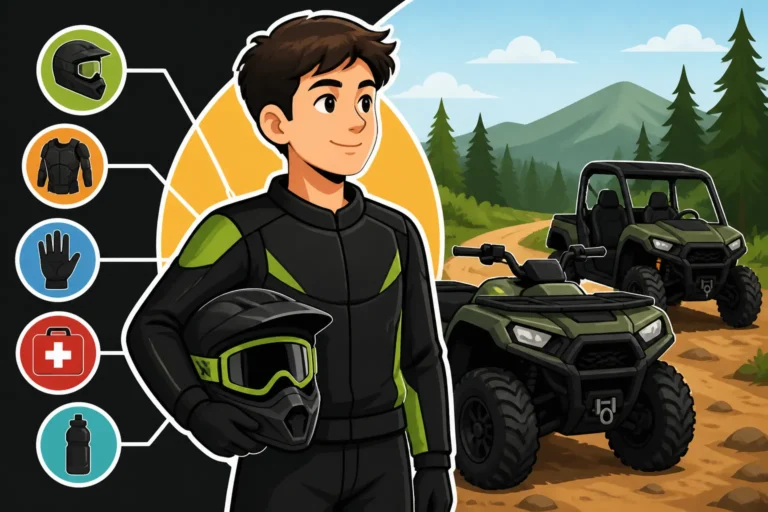
While helmets and eye protection are paramount, building a comprehensive safety kit for your Quebec ATV or UTV adventures extends beyond just your head. Thinking about the bigger picture of safety can make your rides much more enjoyable and, most importantly, safer.
Reflective Gear and Lighting
Visibility is critical, especially when conditions aren't perfect. While not always legally mandated for daylight hours, wearing bright, high-visibility clothing can significantly improve your chances of being seen by other riders, hunters, or even wildlife. If you plan on riding during dusk, dawn, or into the night, [Quebec Lighting Requirements at Night] become absolutely crucial. Your ATV or UTV must be equipped with working headlights and taillights, and they must be turned on. Adding reflective tape to your helmet or machine, or wearing a reflective vest, can greatly enhance your passive visibility, making you stand out even more in low light conditions.
Imagine an unexpected fog rolling in or getting caught out after sunset – having proper lighting and reflective gear isn't just about avoiding a fine; it's about ensuring you can see and be seen, preventing potentially serious collisions.
Hand Protection and Body Armour
While not legally required like helmets, good quality riding gloves, jackets, pants, and boots are essential for comprehensive protection.
- Gloves: They protect your hands from scrapes, blisters, and impacts, and provide a better grip on the handlebars, especially in wet or muddy conditions. Cold weather gloves can also keep your hands warm, preventing numbness and loss of control.
- Riding Jacket and Pants: These are typically made from durable, abrasion-resistant materials designed to protect you in a fall. Many come with built-in armor at key impact points like shoulders, elbows, and knees. Even a minor tumble on the trail can result in nasty scrapes and bruises without proper clothing.
- Boots: Sturdy, over-the-ankle riding boots protect your feet and ankles from impacts, provide grip on the footpegs, and keep your feet dry. Standard work boots or sneakers simply don't offer the same level of protection against branches, rocks, or the weight of a machine.
Investing in these additional pieces of gear is a smart move for any rider. They complement your helmet and eye protection, creating a more robust safety envelope around you. Companies like SuperATV also offer a range of protective accessories for your machine, such as skid plates and brush guards, which, while protecting your vehicle, indirectly contribute to rider safety by preventing damage that could lead to breakdowns or control issues in remote areas. Riding an ATV or UTV is an incredible way to explore Quebec's natural beauty, but it comes with inherent risks. Mitigating those risks with appropriate gear is simply part of responsible riding.
Disclaimer
This article is for general informational purposes only and does not constitute professional advice. Laws, prices and regulations vary by location and change over time. Consult a qualified professional for guidance on your specific situation.