Does a Passenger Need a Helmet With a Visor?
Riding the trails of Quebec on an ATV or side-by-side is an incredible experience, but the rules around safety gear, especially for passengers, can feel like a maze. Many riders wonder if their passenger needs a helmet, and more specifically, if that helmet absolutely must have a visor. It's a valid concern because nobody wants to get a surprise fine or, worse, compromise a loved one's safety. This guide is here to untangle the specifics of Quebec's regulations for passenger helmets and eye protection, helping you hit the trails confidently and legally.
Understanding Quebec's Helmet Requirements for All Riders
When you're tearing up the beautiful landscapes of Quebec, whether it's through the Laurentians or the Gaspésie, safety is always paramount. The province has specific rules under the [Quebec's Off-Highway Vehicle Act and Your Papers] designed to protect everyone on an off-road machine, and that definitely includes passengers. It's not just about the driver; everyone on board needs to be properly equipped.
The Universal Rule for Helmets
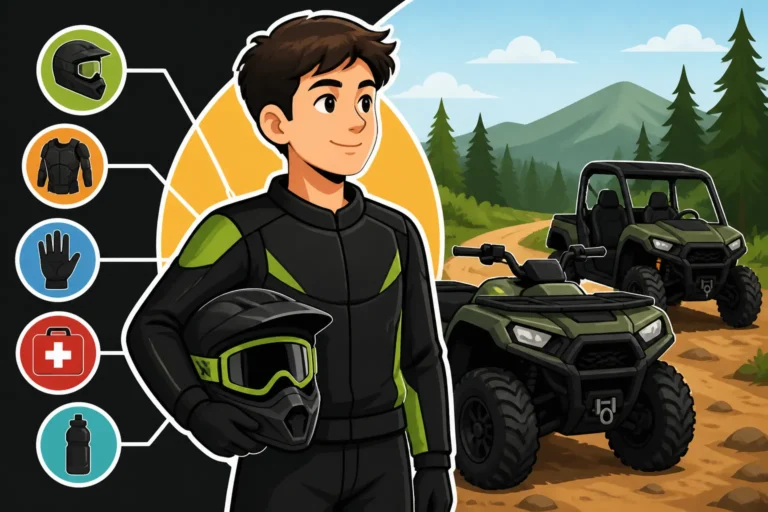
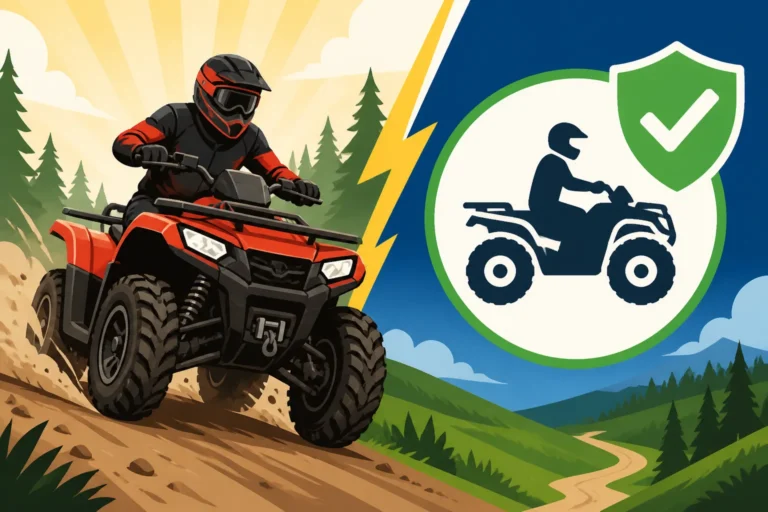
The most fundamental rule in Quebec is that anyone riding an off-highway vehicle – be it an ATV (which Quebec often refers to as a VTT, or véhicule tout-terrain) or a side-by-side (VHR, véhicule hors route) – must wear an approved helmet. This isn't just a suggestion; it's a legal requirement. This applies to both the driver and any passengers. The type of helmet is important: it needs to meet recognized safety standards, which are typically those set by the Department of Transportation (DOT) or similar international bodies. You'll usually see a sticker on the back of the helmet confirming its certification.
Think about it from a common-sense perspective: if the driver, who is in control, needs head protection, then a passenger, who is just as exposed to potential impacts or debris, absolutely needs it too. The trails can be unpredictable, with branches, flying rocks, or unexpected bumps that could easily lead to a head injury. So, when you're gearing up for a ride, make sure every helmet in your group, driver or passenger, meets the basic certification requirement. It's not just compliance; it's caring for everyone's well-being.
Why Helmets are Non-Negotiable
Beyond the legal mandate, there's a practical, real-world reason why helmets are non-negotiable for everyone. Our brains are incredibly delicate, and even a seemingly minor fall or impact can have devastating consequences. Off-road riding, by its very nature, carries risks that aren't present on paved roads. You're dealing with uneven terrain, inclines, declines, mud, rocks, and tight turns. An unexpected rut or a momentary lapse in judgment can send a machine tumbling.
A properly fitting, certified helmet significantly reduces the risk of severe head injury. It absorbs impact, distributes force, and protects against abrasions. For passengers, who might be less experienced or have less time to react in an emergency, this protection is even more critical. Imagine a low-hanging branch that you, as the driver, duck under, but your passenger isn't expecting. Without a helmet, that could be a serious incident. The law, in this case, truly reflects a fundamental safety principle: protect your head, protect your life. Always make sure your helmet is snug but comfortable, and that the chin strap is securely fastened.
Specifics of Visor and Eye Protection in Quebec
This is where the direct answer to your burning question comes in! The helmet itself is just one piece of the puzzle. What about your eyes, especially for that person riding behind you?
Visors: Not Always Required, But Eye Protection Is
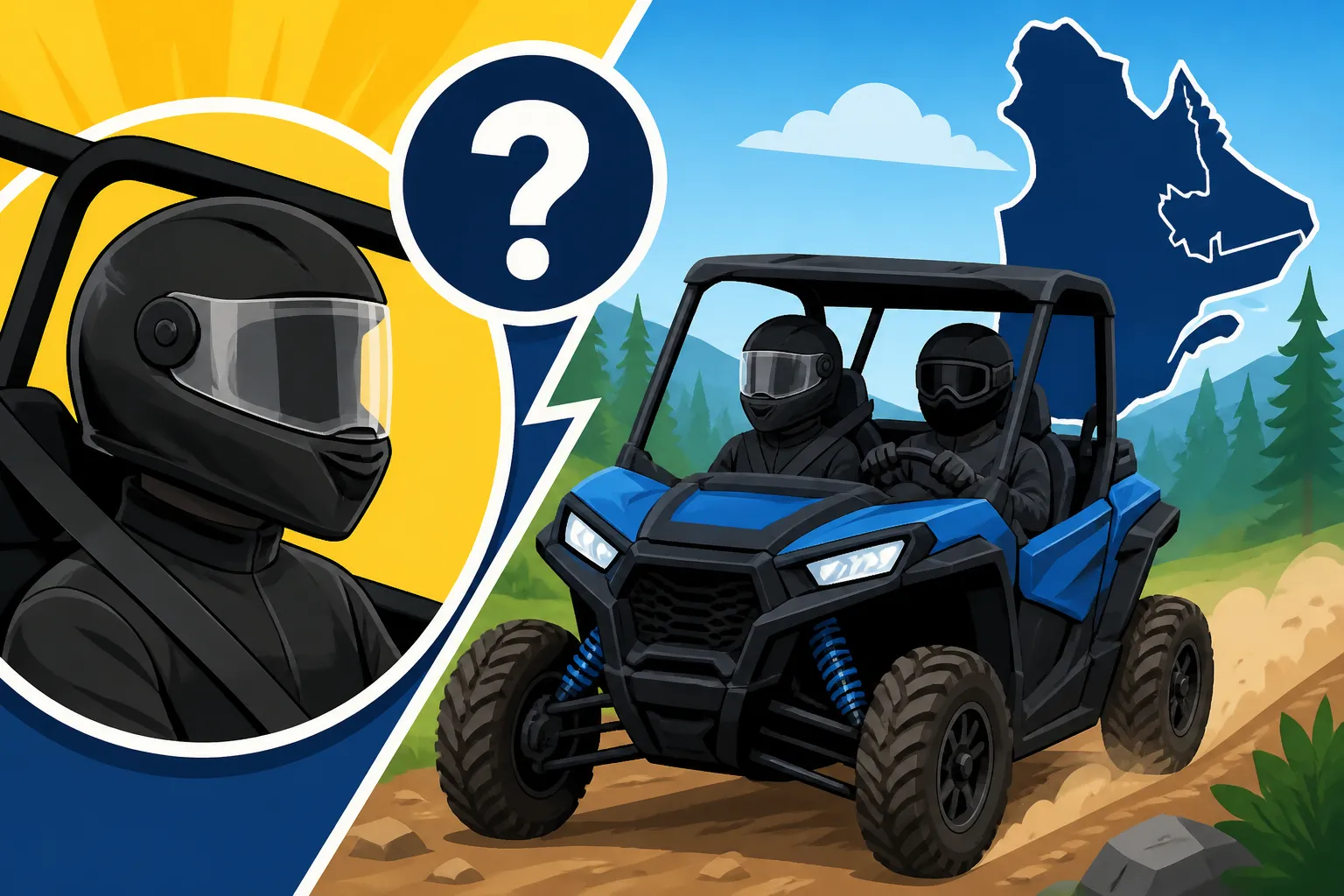
Here’s the straight answer: a helmet itself doesn't always need to have an integrated visor. However, what is absolutely required is adequate eye protection for all riders, including passengers. This means if the helmet your passenger is wearing doesn't have a built-in visor that shields their eyes, they must wear separate eye protection.
This could be a pair of goggles that fit snugly over or under the helmet, or a full-face helmet that includes a clear or tinted visor. The key is that their eyes are protected from dust, insects, branches, and other debris that can be kicked up or encountered on the trail. Just imagine trying to navigate a trail with a branch whipping your face, or a cloud of dust blinding you. It's not just uncomfortable; it's extremely dangerous. This rule is designed to ensure continuous visibility and prevent injuries to one of our most vital senses. Many riders find that a good pair of goggles, perhaps from a brand known for durable off-road gear, offers excellent peripheral vision and comfort.
Choosing the Right Eye Protection for Your Passenger
When picking out eye protection for your passenger, whether it's an integrated visor or separate goggles, consider a few practical aspects. First, ensure a clear field of vision. Scratched or dirty visors/goggles are just as bad as none at all, obstructing their view and making the ride less enjoyable and more hazardous. Second, look for anti-fog properties, especially if you're riding in changing temperatures or humid conditions. Nothing is more frustrating than having your vision completely obscured by fogging.
Comfort is also a big factor. If goggles are too tight, they'll be miserable; if too loose, they won't stay put. For side-by-sides, sometimes a windshield provides some protection from direct wind and larger debris, but it's crucial to remember that a windshield does not replace the need for personal eye protection like a visor or goggles. Dust, small rocks, or even insects can still find their way around a windshield. So, regardless of your machine's setup, make sure your passenger has their own dedicated eye protection. Brands like SuperATV offer a range of robust off-road accessories, including high-quality goggles, that can help ensure your passenger is both safe and comfortable on the trail.
Here's a quick reference table for clarity:
| Item | Driver Requirement | Passenger Requirement | Notes |
|---|---|---|---|
| Approved Helmet | Mandatory | Mandatory | Must be DOT or equivalent certified. |
| Visor | Not always | Not always | If helmet lacks a visor, separate eye protection is required. |
| Eye Protection | Mandatory | Mandatory | Can be an integrated visor or separate goggles. Prevents debris/dust/insects from eyes. |
| Chin Strap | Mandatory | Mandatory | Helmet must be securely fastened. |
Exceptions and Practical Considerations for Passenger Safety
While the rules are fairly straightforward, there are always nuances, and ensuring passenger safety goes beyond just checking boxes. Let's delve into some practical tips and a rare exception that might confuse you if you hear about it.
The Low-Speed Trapping Exception (and Why It Doesn't Apply to Passengers)
You might occasionally hear about an exception to the helmet rule for trappers riding at very low speeds (under 30 km/h) with frequent stops while on their trapline. This is a highly specific exemption under the [Quebec Rules for a Trapper on a Quad], designed for working conditions where a helmet might hinder the constant observation needed for trapping.
Crucially, this exception applies only to the driver and under very specific conditions related to trapping activities. It does not extend to passengers. A passenger on a trapper's ATV, even at low speeds, would still need to wear an approved helmet and appropriate eye protection. This distinction is vital because it highlights that general recreational or transport use, even if slow, always requires full head and eye protection for everyone. Don't assume that if one person has an exception, it applies to everyone or every situation.
Ensuring the Best Experience for Your Passenger
Beyond the legal minimums, as a seasoned rider, you want your passenger to have a great, safe, and comfortable experience. This means thinking a bit more broadly than just "helmet and goggles."
- Fit is Key: Just like your own helmet, your passenger's helmet needs to fit properly. It shouldn't wiggle around, but it also shouldn't be uncomfortably tight. For children, it's particularly important to ensure they have an appropriately sized helmet, as adult helmets are often too large and won't offer proper protection. Remember the [Quebec Rules for a Child Passenger] stipulate machine size and seating.
- Layer Up: Encourage your passenger to dress in layers, even on warm days. Protection from sun, wind, and unexpected temperature drops is important. Long sleeves and pants can also help protect against scrapes from branches or minor falls.
- Communication: Especially on longer rides, regular check-ins with your passenger are important. Are they comfortable? Do they need a break? Is their gear still good? Clear communication can prevent discomfort from turning into a safety issue.
- Footwear: Sturdy, closed-toe shoes or boots are essential. No flip-flops or open-toed sandals allowed! They need protection from the terrain and the machine itself.
- Hydration and Snacks: Long rides can be tiring. Pack water and some energy-boosting snacks to keep everyone's energy levels up.
- Proper Seating: Ensure your machine is designed to carry a passenger and that they are seated according to the manufacturer's specifications. Riding two-up on a machine designed for one is illegal and extremely dangerous. The [Quebec Passenger Rules on an ATV] are very clear on this.
By taking these extra steps, you're not just adhering to the law; you're cultivating a culture of safety and enjoyment for everyone who joins you on your Quebec adventures. Many aftermarket accessories, readily available from retailers specializing in off-road gear, can enhance passenger comfort and safety. For instance, brands like SuperATV offer robust grab handles or padded backrests for some side-by-sides, which can make a huge difference in passenger stability and comfort on rough terrain.
Ensuring Compliance and Avoiding Fines
Knowing the rules is one thing, but consistently following them and understanding what trail patrols are looking for is another. Nobody wants to have their amazing day on the trails interrupted by a ticket.
What Patrol Officers Look For
When a trail patrol officer, often a volunteer from a local club or a provincial officer, stops you on a Quebec trail, they're typically doing a quick safety check. They'll want to see your [Quebec Insurance Proof on the Machine], your [Quebec Trail Pass Proof on the Trail], and your driver's license. But they'll also quickly scan your machine and its occupants for obvious safety violations.
For passenger gear, they'll primarily be looking for:
- A certified helmet on every head: Is it clearly an approved off-road helmet? Is it fastened?
- Eye protection for everyone: Are goggles on, or is the helmet visor down?
- Appropriate seating: Is your passenger riding safely as per the machine's design?
These checks are usually quick, but a visible lack of proper gear for a passenger will definitely catch their attention. Patrols are there to enforce safety, not to ruin your day, but they will issue fines if they spot clear violations. Remember, the [Quebec Accident Reporting Rules] underscore the importance of proper safety gear as a preventative measure.
The Cost of Non-Compliance
Riding without proper safety equipment for yourself or your passenger isn't just a risk to your health; it also carries financial penalties. Fines for safety violations in Quebec can vary, but they are certainly not insignificant. Getting caught without a helmet or without proper eye protection for yourself or a passenger can lead to a substantial ticket. These fines are often accompanied by additional administrative costs, making a simple oversight quite expensive.
It's far more economical, and infinitely safer, to invest in proper, certified gear upfront than to face the consequences of a fine or, worse, an injury. When you consider the [Quebec ATV Registration Costs Explained] and the annual trail pass fees, the cost of a good helmet and a pair of goggles is a small price to pay for peace of mind and legal compliance. Make it a habit: before every ride, do a quick gear check for yourself and everyone with you. A moment of vigilance before you hit the trail can save you a lot of hassle and expense down the road.
Disclaimer
This article is for general informational purposes only and does not constitute professional advice. Laws, prices and regulations vary by location and change over time. Consult a qualified professional for guidance on your specific situation.