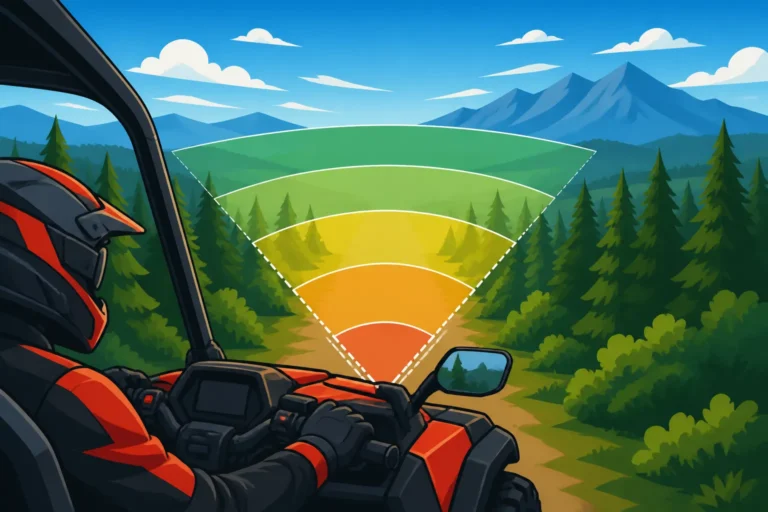
30 Metres on an Older Trail
Riding your ATV or side-by-side in Quebec is a fantastic way to explore our beautiful landscapes, but it comes with a set of rules designed to ensure safety and respect for everyone. One common point of confusion for riders, especially when navigating established trails, is the rule about how close you can ride to a dwelling. While the general rule is 100 metres, many older trails benefit from a specific exemption – the 30-metre grandfathered rule – and understanding this distinction is crucial for staying compliant and maintaining good relations with residents along the trail. This guide will walk you through the nuances of these setback rules, helping you ride confidently and respectfully.
Understanding the Core Rule: The 100-Metre Setback
Let's start with the standard. When Quebec updated its Off-Highway Vehicle Act (LVHR), a significant change was the introduction of a minimum setback distance. For the most part, you can't ride your off-road machine, whether it's an ATV, a side-by-side, or a dirt bike, within 100 metres of a dwelling, building, or structure used for residential purposes. This rule was put in place for very good reasons: to protect the peace and quiet of homeowners, reduce noise complaints, and enhance safety in residential areas. Imagine living next to a trail where machines are constantly rumbling past just a few feet from your window; it's not ideal for anyone.
This 100-metre rule applies broadly across the province, affecting new trails, rerouted sections, and any areas not specifically covered by an exception. It's about giving residents a buffer from the sights and sounds of off-road vehicle traffic. So, if you're out on a ride and approaching a house or cottage, you need to be aware of this distance and adjust your route if necessary. Trail federations and clubs work tirelessly to route trails to respect this regulation, but sometimes, a homeowner might build closer to an existing trail, or a trail might pass through an area that becomes residential over time. It's a dynamic landscape, and riders need to be vigilant.
The spirit behind this rule is really about coexistence. Nobody wants to see trails closed because of ongoing conflicts with residents. By respecting the 100-metre setback, riders contribute to the sustainability of the trail network and help ensure that landowners continue to grant permission for trails to cross their property. This rule is often a topic of discussion among [Quebec Noise Complaints About Quads] and is taken seriously by trail patrols.
Why 100 Metres? The Intent Behind the Rule
The choice of 100 metres wasn't arbitrary. It's a distance considered significant enough to mitigate the impact of off-highway vehicle noise and dust on residential properties. Off-road machines, especially when modified with aftermarket exhausts or performance parts, can be quite loud. Imagine the drone of an engine just outside your living room window, or the dust kicked up from tires settling on your patio furniture. The 100-metre buffer provides a reasonable level of separation, allowing residents to enjoy their homes without constant disruption.
This distance also offers a safety margin. While off-road vehicles are generally safe when operated responsibly, accidents can happen. Keeping machines further away from homes reduces the risk of an errant machine veering into private property or startling residents or pets. It's a preventative measure that benefits both riders and homeowners. Many of these rules were clarified or introduced with the significant legislative changes in 2021, often referred to when discussing [What the LVHR Replaced]. The entire act aims to balance the recreational use of trails with the rights of residents to quiet enjoyment of their property.
Trail clubs and associations, like those affiliated with the Fédération Québécoise des Clubs Quads (FQCQ), play a vital role in educating riders about these rules. They invest heavily in signage and trail maintenance to guide riders and ensure compliance. Understanding that this rule is designed for everyone's long-term benefit helps riders appreciate its importance, even if it sometimes means a slight detour.
The Grandfathered Exception: 30 Metres for Older Trails
Now, here's where the specific "30 metres on an older trail" comes into play. While the 100-metre rule is the general standard, Quebec's Off-Highway Vehicle Act acknowledges that many trails existed long before the current regulations were established. These are the beloved, well-used trails that have been part of the provincial network for decades, often passing quite close to established homes and cottages. To avoid the massive disruption and impracticality of rerouting thousands of kilometres of existing trails, the legislature introduced a "grandfather clause."
This clause states that if an off-highway vehicle trail was legally established and in operation before January 1, 2012, it is exempt from the 100-metre setback rule and can operate within 30 metres of a dwelling. This is a crucial distinction and a real relief for many clubs and riders, as it preserves countless sections of the trail network that would otherwise have been deemed non-compliant. The specific cutoff date, [The January 2012 Grandfather Date], is key here. If a trail was built or designated for off-road use before that date, it gets the benefit of the 30-metre rule.
It's important to stress that this isn't a free pass to ride right up to someone's back door. Thirty metres is still a significant distance, and riders are expected to respect it. This exemption simply means that these historically important trail segments can continue to exist where they always have, without having to meet the stricter, more recent 100-metre standard.
Defining "Older Trail" and the January 2012 Cutoff
So, how exactly does one define an "older trail" for the purpose of this 30-metre exemption? The legislation is quite clear: it refers to any off-highway vehicle trail that was in use and recognized as such before January 1, 2012. This isn't about the age of the land or whether a dirt path existed; it's about its official designation and use as a recreational trail for ATVs and side-by-sides.
For trail clubs, proving a trail's age can sometimes involve historical records, maps, or even testimonies from long-time members. The burden of proof often falls on the club maintaining the trail to demonstrate its pre-2012 existence if a dispute arises. These older trails often form the backbone of regional networks, connecting communities and offering iconic riding experiences. Many riders might not even realize they're on a grandfathered section until they see a house relatively close to the trail.
This grandfather clause is a pragmatic approach to regulation, acknowledging the reality of Quebec's extensive trail system. Without it, the economic and logistical challenges of rerouting or closing vast stretches of popular trails would have been immense. It's a way to preserve the heritage of off-road riding in Quebec while still moving towards better community integration and reduced impact, which is a big part of [Quebec's Off-Highway Vehicle Act and Your Papers]. Riders on these older trails still need to be extra mindful of their speed and noise, knowing they are operating closer to residences than on newer sections.
Practical Implications for Riders and Landowners
Understanding the 30-metre and 100-metre rules has very real, day-to-day implications for both riders and the people who live near the trails. For riders, it means being constantly aware of your surroundings, especially when you're near residential areas. You can't just assume every trail has the same setback distance. While clubs do their best to mark specific zones, it’s ultimately the rider’s responsibility to know and follow the rules. This is where riding with a good trail map or a GPS app like iQuad, which often highlights residential areas or sensitive zones, becomes invaluable.
One key implication is the importance of courtesy. Even on a grandfathered trail that permits riding within 30 metres of a home, excessive noise or aggressive riding can still lead to complaints and tension. Think about investing in quality aftermarket parts, like a quieter exhaust system from a brand like SuperATV, if you know you frequently ride near populated areas. It's not just about avoiding fines; it's about being a good neighbour and ensuring the trails remain open for future enjoyment. [Quebec Fines for Riding Near Houses] can be substantial, so it's always better to err on the side of caution and respect.
For landowners, these rules offer a measure of protection and clarity. If you live near a trail, you have a right to expect a certain distance between your home and the riding path. If you believe an off-road vehicle is violating these setback rules, especially on a newer trail that should adhere to the 100-metre standard, you have avenues to report it to the local trail club or law enforcement. This helps maintain the delicate balance of [Quebec Trails That Cross Private Land] and ensures that landowner permissions are not abused.
Navigating the Different Setbacks on Your Ride
When you're out on the trails, it can be tricky to tell if you're on a section that falls under the 100-metre rule or the 30-metre grandfathered exception. This is why local knowledge and up-to-date trail maps are so important. Trail clubs are usually excellent resources for this kind of information, and many provide detailed maps that indicate sensitive areas.
Here's a quick guide to help you navigate:
| Rule Type | Setback Distance | Applies To | Key Condition |
|---|---|---|---|
| General Rule | 100 Metres | All new trails, rerouted sections, non-exempt areas | Standard for trails created post-Jan 2012 |
| Grandfathered Exception | 30 Metres | Trails legally established and in operation | Must have existed before January 1, 2012 |
When in doubt, always assume the stricter 100-metre rule applies, especially if you're unfamiliar with the specific section of trail. Slow down, reduce your engine noise, and be extra vigilant for dwellings. This approach not only keeps you compliant but also fosters a positive image for the off-road community. Remember that respecting these rules is key to avoiding situations where [Why a Quebec Landowner Withdraws Permission] for trail access, which could lead to trail closures.
Respecting Residential Areas and Avoiding Conflicts
The underlying goal of both the 100-metre and 30-metre rules is to minimize conflict between off-road vehicle users and residents. As a rider, you have a crucial role to play in this. Even if a trail technically allows you to pass within 30 metres of a home, consider how your actions might be perceived. Riding at high speed, revving your engine unnecessarily, or riding during early morning or late evening hours can easily lead to complaints, even if you're technically within the legal setback.
Consider the context: what might be an exhilarating ride for you could be disruptive to someone trying to enjoy their backyard or put their kids to bed. This is where [Quebec Municipal By-Laws on Riding Hours] can also come into play, adding another layer of regulation beyond the provincial act. Some municipalities might have stricter rules regarding operating hours in residential zones, regardless of the setback distance. It's always best practice to ride as quietly and respectfully as possible when you're anywhere near homes. A little common courtesy goes a long way in ensuring the longevity of our shared trail system.
Navigating Setbacks: Municipal Rules and Community Input
While the provincial Off-Highway Vehicle Act sets the fundamental rules for setbacks, it's not the only authority. Municipalities in Quebec also have the power to create their own by-laws, and these can sometimes impact how close you can ride to a dwelling. These local rules can add another layer of complexity for riders, but they are crucial to understand because they often reflect the specific concerns and needs of local communities.
For example, a municipality might have more restrictive rules about noise, or they might define "residential area" differently. While provincial law typically supersedes municipal by-laws, local regulations can often add additional restrictions, especially regarding aspects like permitted riding hours or specific local areas where off-road vehicles are prohibited entirely. This patchwork of rules underscores the importance of checking with local trail clubs or municipal offices if you're riding in a new area, especially if you plan to stray from the main federated trail network.
Understanding how communities can influence these rules is also important. If residents consistently experience issues with noise or perceived safety risks, they might lobby their local municipal council to implement stricter by-laws or even to challenge a trail's designation. This highlights the ongoing need for responsible riding and good communication between riders, clubs, and local communities.
Public Assemblies and Shortening Setbacks
Interestingly, the provincial act also allows for situations where the standard 100-metre setback might be shortened through public assembly. This mechanism is designed to allow communities to have a say in how trails interact with their residential areas. If a local municipality, after a public consultation process, decides that a shorter setback (but not less than 30 metres for new sections) is acceptable for a specific segment of trail, they can pass a resolution to that effect.
This process involves a structured public assembly, where residents, landowners, and trail users can express their views. The municipality then considers these inputs before making a decision. This demonstrates a balance in the legislation, recognizing that while general rules are necessary, local communities should also have a voice in shaping their specific environments. However, these instances are generally rare and involve a significant amount of local engagement. For more details on this process, you might look into [How a Public Assembly Can Shorten the 100-Metre Setback].
It's a testament to the collaborative spirit needed to maintain our trail networks. It’s not just about what the law says, but also about what the community agrees upon. Ultimately, the goal is always to find that sweet spot where recreational opportunities thrive without unduly impacting the lives of those living along the trails.
Disclaimer
This article is for general informational purposes only and does not constitute professional advice. Laws, prices and regulations vary by location and change over time. Consult a qualified professional for guidance on your specific situation.