When a Dealer Files the SAAQ Paperwork for You
Navigating the ins and outs of vehicle registration in Quebec can feel like a maze, especially when it comes to off-road machines like ATVs and UTVs. Many new owners feel overwhelmed by the paperwork, the forms, and the trip to the SAAQ. Thankfully, when you purchase your new (or even sometimes used) machine from a licensed dealer, they often handle the bulk of this bureaucratic heavy lifting for you, saving you a headache and ensuring everything is filed correctly right from the start.
The Convenience of Dealer-Handled Registration in Quebec
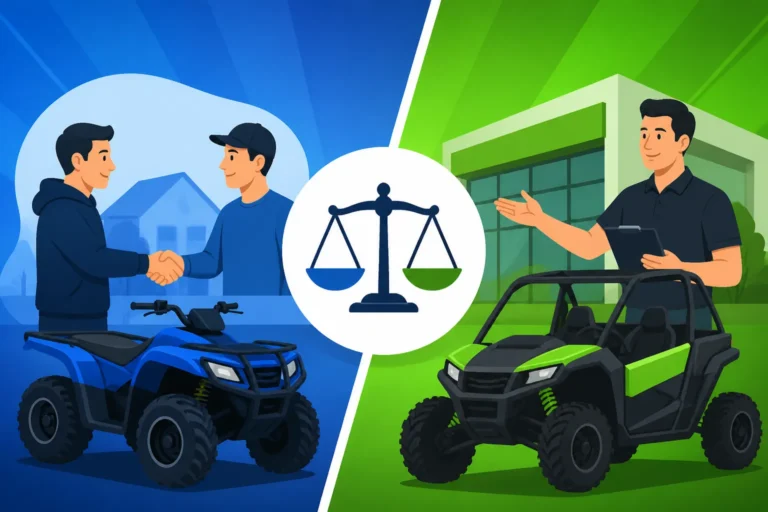
Let's be honest, few things are less exciting than spending your afternoon at a government service counter, especially when you're itching to hit the trails on your new quad or side-by-side. This is precisely where purchasing from a reputable dealer really shines. They understand the Quebec registration process inside and out and, more often than not, offer to take care of the heavy lifting when it comes to getting your [Quebec ATV Registration With the SAAQ] squared away. It's a massive convenience that can dramatically smooth out the acquisition process of your new off-highway vehicle.
What a Dealer Typically Handles
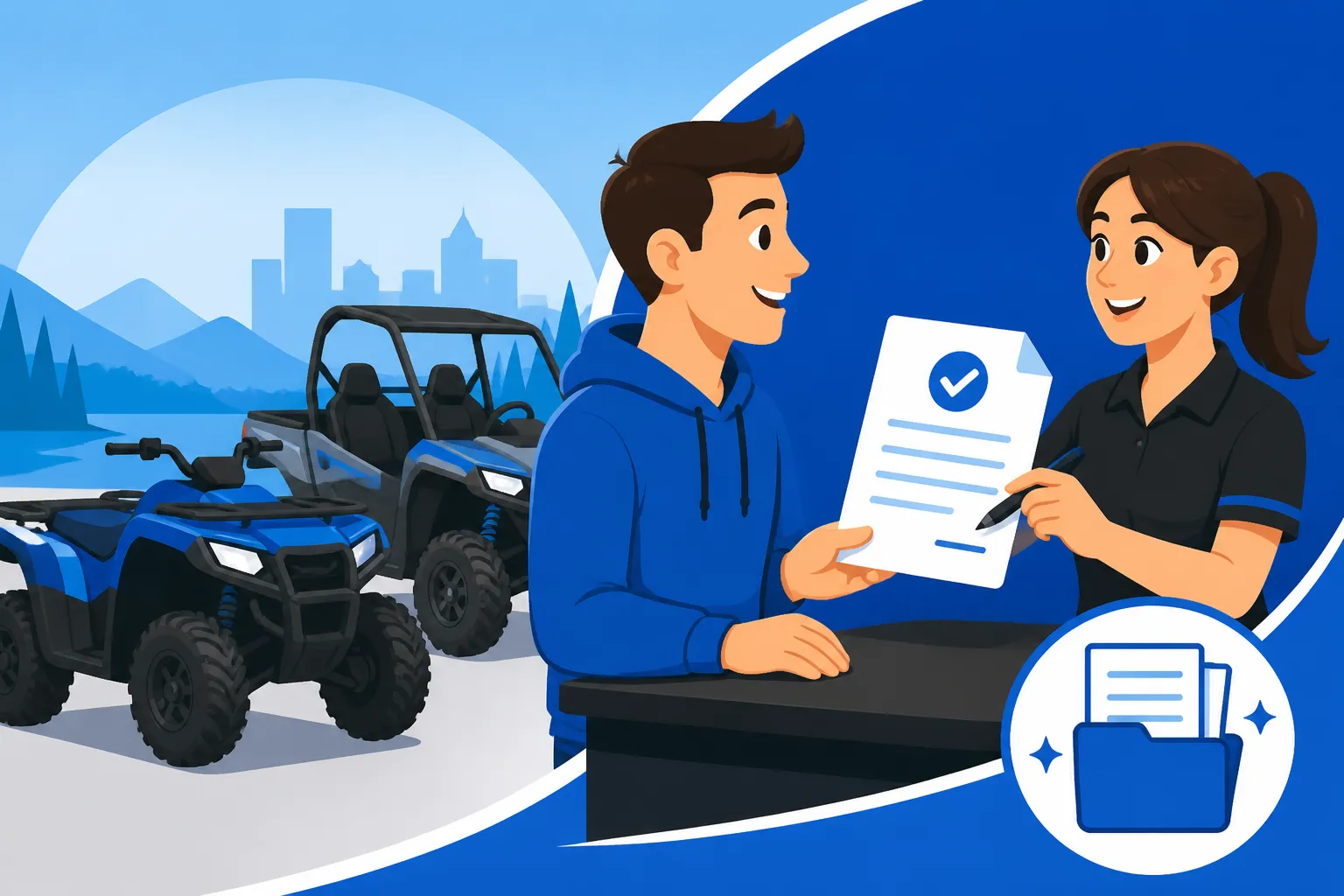
When you buy a brand-new ATV or UTV from a Quebec dealer, they usually manage almost all the required SAAQ paperwork on your behalf. This includes preparing the sales contract, which is a crucial document for transferring ownership. They'll also compile the necessary forms for registration, ensuring all the serial numbers, model details, and your personal information are accurately recorded. More importantly, they will calculate and collect the provincial sales tax (QST) and federal goods and services tax (GST) on your purchase, which is then remitted directly to the government. This saves you the trouble of figuring out these tax calculations yourself and making separate payments.
Furthermore, the dealer will often handle the initial registration fee and the mandatory [Quebec's Liability Insurance Rule] payment to the SAAQ. This means that by the time you pick up your machine, it's already technically registered, insured for liability purposes, and ready for you to enjoy. They will usually provide you with a temporary registration or confirm that the official documents are on their way. It’s their job to make sure you drive away with a legally compliant machine, so you won't have to worry about missing a crucial step.
Why Dealers Offer This Service
Dealers don't just do this out of the goodness of their hearts, though customer satisfaction is certainly a huge part of it! Offering to handle the SAAQ paperwork is a significant value-added service that sets them apart. In a competitive market, anything that makes the buying experience easier and more pleasant for the customer is a win. For many buyers, the thought of dealing with government bureaucracy is daunting, and knowing a professional will manage it is a major relief.
From the dealer's perspective, it streamlines their sales process. By taking control of the registration, they can ensure accuracy, prevent delays, and ultimately get the machine into your hands faster. This also helps maintain their reputation as a full-service provider. They have dedicated staff who are familiar with the SAAQ's systems and requirements, allowing them to process these transactions efficiently. It’s a win-win: you get convenience, and they get to close a sale with a happy, compliant customer.
Your Role and Responsibilities When a Dealer Files
While the dealer shoulders much of the administrative burden, it's not entirely hands-off for you. You still have vital responsibilities to fulfill to ensure your ATV or UTV is properly registered and that you have all the necessary legal documentation. Think of it as a partnership: they handle the filing, but you provide the foundational elements.
Essential Documents You Must Provide
Even when a dealer takes care of the SAAQ paperwork, you'll still need to provide them with a few crucial pieces of identification and information. First and foremost, you'll need a valid piece of photo identification, such as your driver's license. This confirms your identity as the purchaser and future registered owner. Speaking of which, don't forget that [Quebec Requires a Driver's Licence Since 2021] for riding ATVs on federated trails and authorized routes.
You'll also need proof of residency in Quebec, which could be a utility bill or another document showing your current address. If you're a newcomer to Quebec, there might be additional steps, so be prepared to show documentation related to your new residency. The dealer will also need your valid Quebec driver's license number, as this will be linked to your SAAQ registration. Make sure all the information you provide is accurate and up-to-date, as any discrepancies can cause significant delays in the registration process.
Verifying the Dealer's Work
Once your purchase is complete and you're ready to pick up your new machine, it’s imperative to confirm that all the necessary SAAQ paperwork has been processed. The dealer should provide you with a temporary registration certificate, or at the very least, confirmation that the registration has been initiated and a temporary plate has been issued. This temporary plate allows you to legally operate your VHR (Véhicule Hors Route) while you await your permanent [Quebec VHR Plates Explained].
Make sure you receive a copy of the sales contract and any other documents related to the transaction. You should also be given proof of the mandatory liability insurance that the SAAQ collects during registration. This proof, often a small certificate, needs to be carried with you whenever you ride. Don't be shy about asking questions if anything is unclear. It’s your responsibility to ensure you have all the proper documentation before you head out on the trails. Our article [Quebec SAAQ Steps After a Dealer Purchase] offers a more detailed walkthrough of what to expect after your dealer hands over the keys.
Understanding Costs and Fees Associated with Dealer Filings
When you buy from a dealer, it's easy to see the final price tag and assume it's all for the machine. However, there are several components that make up the total cost, some of which are SAAQ-mandated and others that are part of the dealer's operational structure. Understanding this breakdown is key to knowing exactly what you're paying for.
Breakdown of Dealer Fees vs. SAAQ Costs
The costs associated with registering an ATV or UTV in Quebec are generally split into two main categories: those mandated by the SAAQ and those charged by the dealer. The SAAQ-mandated costs include the annual registration fee for your off-highway vehicle and the mandatory liability insurance premium. These amounts are non-negotiable and are set by the SAAQ, differing slightly based on the machine type and its characteristics. For a detailed look at these figures, you might find [Quebec ATV Registration Costs Explained] very helpful.
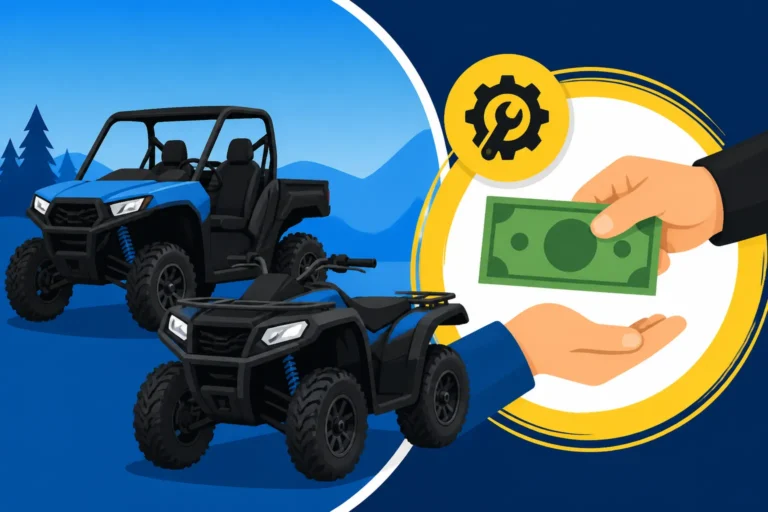
On top of these SAAQ fees, dealers may charge their own administrative or "preparation" fees. These fees typically cover the cost of their staff handling all the paperwork, performing pre-delivery inspections on the machine, assembly (if required), and sometimes even a full tank of gas to get you started. It's important to ask your dealer for a clear breakdown of all these charges before finalizing your purchase, so there are no surprises. While some fees might seem discretionary, they do cover legitimate operational costs for the dealership.
Sales Tax Collection and Remittance
One of the significant advantages of having a dealer handle your SAAQ paperwork is the seamless collection and remittance of sales taxes. In Quebec, you are subject to both the federal Goods and Services Tax (GST) and the Quebec Sales Tax (QST) on the purchase price of your ATV or UTV. When you buy from a licensed dealer, they are legally obligated to collect these taxes from you at the point of sale and then remit them to the respective government bodies.
This process is straightforward and transparent, as the taxes are usually itemized on your sales invoice. You won't have to worry about calculating these amounts yourself or making separate payments to federal and provincial tax authorities. This contrasts sharply with a private sale, where you, the buyer, are responsible for calculating and paying the QST directly to the SAAQ at the time of registration. If you're curious about the specifics, our article on [Quebec Sales Tax on an ATV Purchase] delves deeper into how these taxes apply.
Potential Pitfalls and How to Avoid Them
While having a dealer manage your registration is incredibly convenient, it doesn't mean you should simply sign on the dotted line without a second thought. Being an informed buyer means understanding common issues and knowing how to prevent them. A little vigilance on your part can save a lot of potential headaches down the road.
Ensuring Accurate Information
One of the most critical aspects of dealer-handled paperwork is ensuring that all the information they input for your registration is absolutely correct. Mistakes, even small ones, can lead to big problems. Double-check your name, address, date of birth, and driver's license number on all forms. Similarly, confirm that the ATV or UTV's Vehicle Identification Number (VIN) and model details match your machine exactly.
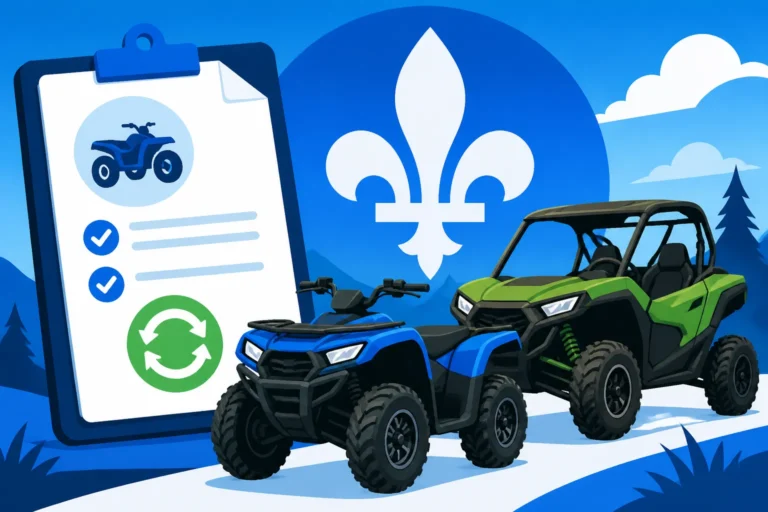
An error in your address could mean your official SAAQ documents get sent to the wrong place, causing delays and confusion. An incorrect VIN could mean your machine isn't legally registered to you, or that its liability insurance might not be valid. Imagine being stopped on the trail by a patrol officer, only to find out there's a discrepancy in your registration! Always take a moment to review every detail before signing off on the documents. Our [Quebec Registration Paperwork Checklist] can help you keep track of what to look for.
What to Do if There Are Delays or Issues
Most dealer registrations go smoothly, but sometimes, hiccups happen. Perhaps your permanent VHR plate hasn't arrived in the mail after several weeks, or you notice an error on your temporary registration. If you encounter any delays or issues, your first point of contact should always be the dealership. They are responsible for the filing and should be able to provide an update or rectify any mistakes. Keep a record of who you spoke with and when.
If the dealer is unable to resolve the issue in a timely manner, or if you suspect a more serious problem, then it would be appropriate to contact the SAAQ directly. Be prepared with your sales contract, temporary registration details, and any other relevant documentation from the dealer. They can look up the status of your registration and advise on the next steps. For more on typical processing times, check out [Quebec ATV Registration Processing Time].
Private Sales vs. Dealer Purchases: The Paperwork Difference
It's worth briefly contrasting the dealer experience with a private sale, just to highlight the significant difference in paperwork responsibility. In a private sale, the entire burden of registration, ownership transfer, and tax remittance falls squarely on you, the buyer, and the seller. You'll need to ensure you have a proper bill of sale, often needing templates found online from resources like LawDepot, that clearly outlines the transaction details, purchase price, and VIN.
Then, you both need to visit an SAAQ service outlet (or the buyer goes alone with the signed documents and proof of payment) to complete the transfer of ownership, pay the QST, and register the machine. There’s no dealer to guide you through the forms or ensure everything is submitted correctly. This is why many people, especially first-time buyers, opt for the peace of mind that comes with a dealer purchase. For a deeper dive into the distinctions, read [Quebec Private Sale vs Dealer Purchase at the SAAQ]. When doing a private sale, having a solid, legally sound bill of sale is paramount, and platforms like LawDepot can be invaluable for generating the necessary documents to protect both parties.
Comparing Responsibilities: Buyer vs. Dealer
To make things a little clearer, here’s a quick overview of who typically handles what when you buy an ATV or UTV from a Quebec dealer.
| Responsibility Area | Buyer's Role | Dealer's Role |
|---|---|---|
| Identification | Provide valid photo ID (e.g., driver's license). | Verify buyer's identity. |
| Proof of Residency | Provide proof of Quebec address. | Verify buyer's address. |
| Machine Information | Confirm VIN, model, year are correct on forms. | Ensure VIN, model, year are accurate on forms. |
| Sales Contract | Review, understand, and sign. | Prepare, explain, and execute. |
| SAAQ Registration Forms | Review for accuracy before signing. | Complete and submit to SAAQ. |
| SAAQ Registration Fee | Pay as part of total purchase price. | Collect from buyer, remit to SAAQ. |
| SAAQ Liability Insurance | Pay as part of total purchase price. | Collect from buyer, remit to SAAQ. |
| Sales Taxes (GST/QST) | Pay as part of total purchase price. | Calculate, collect from buyer, remit to tax agencies. |
| Dealer Administrative Fees | Pay if applicable (check itemized bill). | Clearly disclose and collect. |
| Temporary Registration | Obtain and keep for riding until permanent arrives. | Provide to buyer after SAAQ filing. |
| Permanent VHR Plate/Sticker | Await mail delivery, affix to machine. | Ensure SAAQ has correct address for mailing. |
| Proof of Ownership | Retain sales contract and SAAQ registration. | Provide all necessary purchase documents. |
| Financing Documents | Review, understand, and sign. | Prepare, explain, and process. |
| Bill of Sale (Private Sale) | Prepare, sign, and keep records (e.g., via LawDepot). | Not applicable for dealer sales. |
Disclaimer
This article is for general informational purposes only and does not constitute professional advice. Laws, prices and regulations vary by location and change over time. Consult a qualified professional for guidance on your specific situation.