Quebec Riding in Black Fly Season
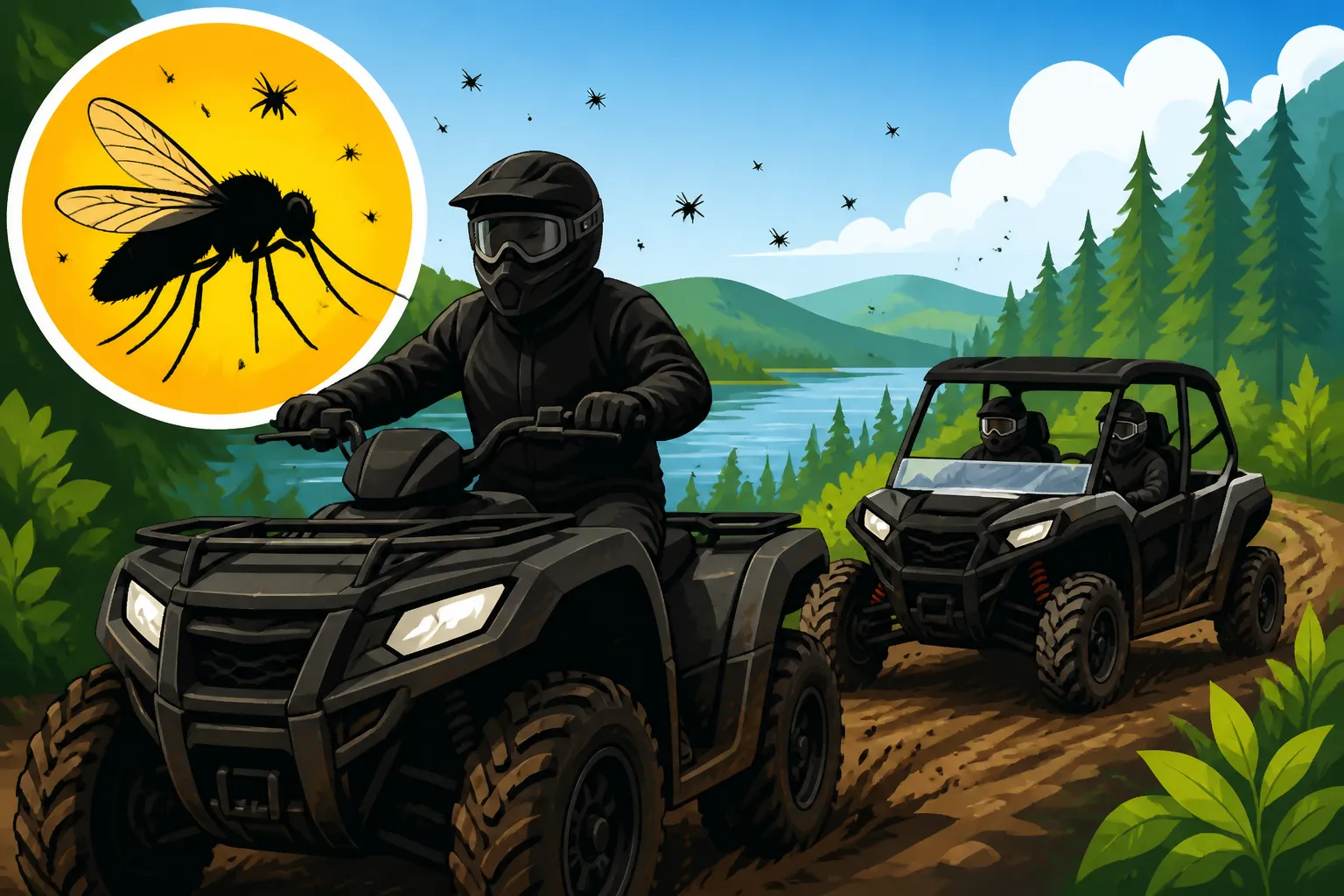
Black flies can turn a pleasant Quebec ATV ride into a miserable one, especially when you stop in a sheltered, damp area to check the route or wait for the group. Their timing and intensity vary by region and weather, so this guide explains when they’re most likely to bother you, how to prepare, and how to plan a ride without ignoring trail conditions or safety.
When black fly season affects Quebec ATV rides
The season depends on weather and location
Black flies are most commonly a concern in Quebec during spring and early summer. Their emergence depends on local conditions, so there isn’t one reliable province-wide start or end date. A cool spring can delay activity; warm weather may bring it on earlier. Rain and changing temperatures can also make conditions feel different from one riding weekend to the next.
The landscape matters, too. Black fly larvae develop in flowing water, so areas with streams and rivers can be particularly buggy when adult flies are active. Forested, sheltered stretches may feel worse than exposed, breezy terrain. A trail that climbs out of a wooded valley can offer some relief simply because the wind and exposure have changed—not because the bugs have disappeared everywhere.
In practical terms, a ride near the Laurentians, Mauricie, Charlevoix, or Saguenay can have very different insect conditions from another route in the same region. Even two trailheads a short drive apart may feel different. Ask a local club, outfitter, or accommodation host what riders have been experiencing, and check the forecast before you leave. For seasonal context, [Quebec Riding in May] is also useful when you’re deciding whether an early-season ride makes sense.
Time of day and trail conditions can change the experience
Black flies may be more noticeable during calm periods and around sheltered, wooded sections. A breeze can make them less persistent, while a long stop beside water can leave riders swatting and distracted. Conditions are not predictable enough to plan your whole ride around a particular hour, but it’s sensible to expect more annoyance when you’re stationary than when you’re moving.
That doesn’t mean you should ride faster or take risks to avoid insects. Keep your speed appropriate for the trail, visibility, and other traffic. If bugs are getting into someone’s eyes or a rider is having trouble concentrating, pull over at a safe, permitted stopping place and deal with it there. A five-minute break is better than trying to adjust goggles or spray repellent while moving.
Spring access also comes with a separate issue: thaw-related closures. A trail that looks passable may still be closed to protect soft ground from damage. Check [Quebec Thaw Closures in Early May] and [Quebec Trail Conditions Before You Go] before setting out. A planned route is only useful if the trail is open and suitable for riding that day.
How to prepare for bugs without compromising safety
Wear clothing that reduces exposed skin
A comfortable base layer, long sleeves, and long pants can reduce the amount of skin exposed to biting insects. Choose gear you can wear safely beneath your riding equipment without restricting movement or interfering with a helmet, gloves, or protective layers. Lightweight fabric can be more comfortable than heavy clothing when the weather warms, but it should still offer practical coverage.
Pay attention to the gaps. Gloves should meet sleeves, and pants should sit securely over boots. A neck gaiter or similar clothing layer may help protect the neck, but it should not obstruct breathing, vision, or helmet fit. Don’t add loose fabric that could catch on controls or snag on the machine.
For head and face protection, use your helmet and the eye protection appropriate for the ride. If you’re considering additional insect netting, make sure it does not interfere with the helmet, goggles, or visibility. Never trade clear vision for a little less exposure. Fogged lenses and bug-smeared eye protection are frustrating, but stopping in a safe spot to clean them is safer than riding with impaired sight.
Use repellent carefully and keep it away from equipment surfaces
If you choose to use insect repellent, follow the product label and apply it before you gear up where practical. Pay attention to instructions about where and how to apply it, how often to reapply, and whether it is appropriate for children. Avoid spraying near your eyes, mouth, or open flames, and wash your hands before handling food.
Repellent can damage or mark some materials, including certain plastics, finishes, and coated surfaces. Keep it away from visors, goggles, instrument panels, seats, and painted parts unless the product label specifically says it is safe for those surfaces. Applying it to exposed skin or clothing as directed is preferable to spraying it around the machine. If you accidentally get product on eye protection, follow the manufacturer’s cleaning instructions rather than rubbing it with a random cloth.
Pack a small amount where it is accessible at a rest stop, not loose beside hot parts or fuel. If you’re riding with a group, remind everyone to apply it before boarding or during a proper break. That simple routine avoids the mid-trail scramble where one person is removing gloves, another is holding a helmet, and someone else is trying to open a bottle in the wind.
| Riding situation | What may help | Safety reminder |
|---|---|---|
| Buggy wooded trail | Long sleeves, long pants, and gloves | Keep clothing fitted and clear of controls |
| Frequent stops | Apply repellent as directed before the ride or at a safe stop | Do not apply it while riding |
| Bugs near the face | Properly fitted helmet and eye protection | Maintain clear vision; stop safely to clean lenses |
| Group ride in changing conditions | Carry a small, accessible repellent container | Keep it away from fuel, heat, and sensitive surfaces |
| Route with wet or soft ground | Check club notices and closures | Do not ride around a closure or bypass a blocked section |
Plan routes and breaks around real conditions
Check the route, closures, and local notices
Before leaving home, confirm that your planned trails are open. Spring thaw can close routes even when the weather looks inviting, and a closure may apply to one section rather than an entire region. Check current notices from the relevant trail club or federation, and look for updates about washouts, construction, or other temporary issues.
A map is helpful, but it is not a substitute for an open-trail notice. If you use onX Offroad to plan a route, treat it as one planning aid and verify that the trail information you need is available for your area. Check the official trail information as well, especially before riding a long connection between towns or trail systems. The [Quebec Trail Maps and the iQuad App] topic can help you think through map sources and navigation tools.
Download or save the information you need before heading into an area with weak cell service. Mark fuel stops, meeting points, and sensible places to turn back. If you use onX Offroad, you can consider saving route information or useful waypoints where the app supports it, but don’t assume a phone will have signal or that every mapped line is open to ATV traffic. Carry a backup navigation option and make sure someone in the group knows how to use it.
Make breaks comfortable without blocking the trail
A buggy ride often involves more stops for adjusting layers, cleaning goggles, or reapplying repellent. Choose a place where the group can pull fully out of the travel path and remain visible to other riders. Avoid stopping on blind corners, narrow bridges, steep sections, or trail entrances where arriving riders may not expect a stationary group.
If the stop is uncomfortable, look for a safer, more open location rather than gathering around the machines in a tight cluster. A breezy clearing or designated rest area may be more pleasant than a sheltered spot beside water. Keep food and gear organized so the group can get moving without leaving litter behind. For guidance on sharing routes and behaving considerately, see [Quebec Trail Etiquette Locals Expect].
For longer outings, make a simple plan before departure: who leads, who rides at the back, where the group will regroup, and what to do if someone needs to turn around. Don’t assume everyone has the same tolerance for insects or the same comfort level with a long ride. A new rider who is distracted by bugs may need shorter legs and more frequent stops than someone who rides every weekend.
What to pack for a black fly season ride
Build a small comfort and safety kit
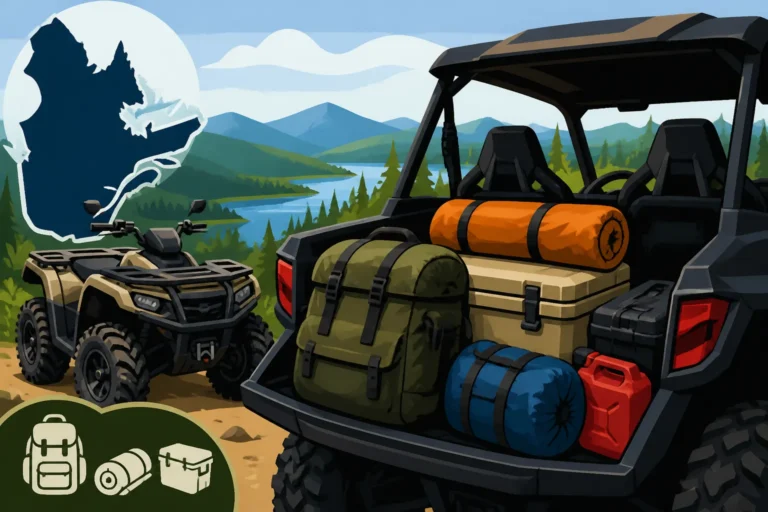
You don’t need to pack for every possible emergency, but a few practical items can make a buggy ride less stressful. Bring repellent you know how to use, spare gloves if yours become wet or uncomfortable, a clean cloth for eye protection, drinking water, and a basic first-aid kit. A resealable bag can keep small items dry and make them easy to find during a stop.
Pack any personal medication you normally need, and consider whether anyone in the group has a known sensitivity to insect bites or repellent. If someone has a concerning reaction or feels unwell, stop riding and respond appropriately rather than pressing on to finish the route. The same principle applies if a rider becomes too distracted to control the machine comfortably.
For a multi-day outing, plan clothing changes and laundry realistically. Damp sleeves or gloves can make the next day feel much worse, and storing repellent beside food or gear it could damage creates an avoidable mess. The checklist in [Packing for a Multi-Day Ride] can help you organize the broader trip, while [Quebec Trail Riding After a Storm] is relevant if wet weather changes the route or surface conditions.
Keep the ride enjoyable by changing the plan when needed
Sometimes the best decision is to shorten the route, move to a more exposed section, or postpone the ride. That can feel disappointing when everyone has driven to the trailhead or taken time off, but a group that is swatting constantly and struggling to focus is not having a good day on the machine. A shorter, comfortable outing is often better than forcing a full itinerary.
Use local reports as a guide, not a guarantee. Conditions can change with weather, terrain, and even the time you reach a particular section. If you use onX Offroad or another navigation tool to adjust your route, confirm that the alternative is an authorized, open trail—not an informal track or shortcut across private land. A route change should solve the comfort problem without creating a trail-access or landowner problem.
Finally, keep the basics in view: ride within your ability, follow posted signs, respect closures, and stop before adjusting equipment. Black flies are irritating, but they should never be the reason to hurry, ride beyond your skill level, or leave an authorized trail. A little preparation and a flexible plan make Quebec’s early-season rides much easier to enjoy.
Disclaimer
This article is for general informational purposes only and does not constitute professional advice. Laws, prices and regulations vary by location and change over time. Consult a qualified professional for guidance on your specific situation.