Quebec Public Assemblies on Setbacks
It's incredibly frustrating to want to hit the trails on your quad or side-by-side, only to feel like you're constantly looking over your shoulder, worrying about disturbing residents. Navigating Quebec's off-highway vehicle laws, especially around residential areas, can feel like a minefield of rules. This guide is here to shed light on a very specific, yet often misunderstood, aspect of these regulations: how local communities and "public assemblies" can actually influence the standard setback distances for off-road machines near homes.
Understanding ATV Setbacks Near Dwellings in Quebec
Quebec has put clear rules in place regarding where off-highway vehicles (OHVs) like ATVs and side-by-sides can operate, especially when it comes to how close they can be to homes. These rules aren't arbitrary; they're designed to balance the recreational and practical needs of riders with the peace and privacy of residents. Getting a handle on these foundational rules is the first step to understanding how they can be modified.
The Standard 100-Metre Rule
At the heart of Quebec's off-highway vehicle legislation, specifically the Act respecting off-highway vehicles (LVHR), is the default "100-metre rule" concerning dwellings. This rule dictates that you generally cannot operate an off-highway vehicle within 100 metres of a residence or any building habitually occupied by humans. Imagine trying to enjoy a quiet afternoon on your porch only to have a loud quad rip by just metres away – this rule aims to prevent that kind of disturbance.
This regulation exists for several very practical reasons: noise reduction, ensuring public safety, and protecting the privacy of residents. While many of us love the thrill of riding, we also understand that not everyone shares that passion, especially when it directly impacts their home environment. The 100-metre distance provides a significant buffer, minimizing exhaust noise, dust, and the visual intrusion that can accompany ATV activity. Understanding [Quebec's 100 Metre Rule Near Homes] is crucial for any rider navigating the province's trails and access points.
What Qualifies as a Dwelling?
It's not just year-round homes that trigger this 100-metre setback. The law defines a "dwelling" quite broadly to include any building habitually occupied by people. This means it could be a primary residence, a seasonal cottage, a chalet, a hunting or fishing camp, or even a remote cabin where people stay regularly. The key is "habitually occupied," meaning it's a place where someone lives or stays, even if only part-time.
This broad definition means that riders need to be vigilant even in seemingly remote areas. That rustic-looking cabin deep in the woods might still be someone's seasonal retreat and thus subject to the 100-metre rule. Always assume that if you see any form of structure that looks like it could be lived in, the setback rule applies, unless signage or specific local by-laws indicate otherwise. When considering [Quebec Municipal Road Access Up to 1 Kilometre], these dwelling setbacks are paramount, even on roads.
Exceptions to the Standard Setback
While the 100-metre rule is the general standard, Quebec's LVHR does account for specific situations where different distances may apply. For instance, there's a "30-metre rule" that might apply to certain trails that existed before January 1, 2012, in areas where they were already established closer to dwellings. This grandfathering clause acknowledges pre-existing trail networks that would otherwise be severely impacted by the new rules.
Another important exception involves agricultural or forestry work. Machines used for these purposes often need to access land that might be closer to dwellings, and the law provides allowances for these operational needs. However, these are typically very specific exemptions tied to the purpose of the ride, not general recreational use. Always consult official sources or local clubs to understand these nuanced exceptions fully. You can read more about how this applies to [30 Metres on an Older Trail].
The Role of Public Assemblies in Modifying Setbacks
This is where things get really interesting and where local communities can have a direct say in how off-highway vehicle rules are applied in their immediate vicinity. While the province sets the overarching framework, there are mechanisms for local voices to be heard and for specific adjustments to be made to the 100-metre setback rule.
What is a "Public Assembly" in This Context?
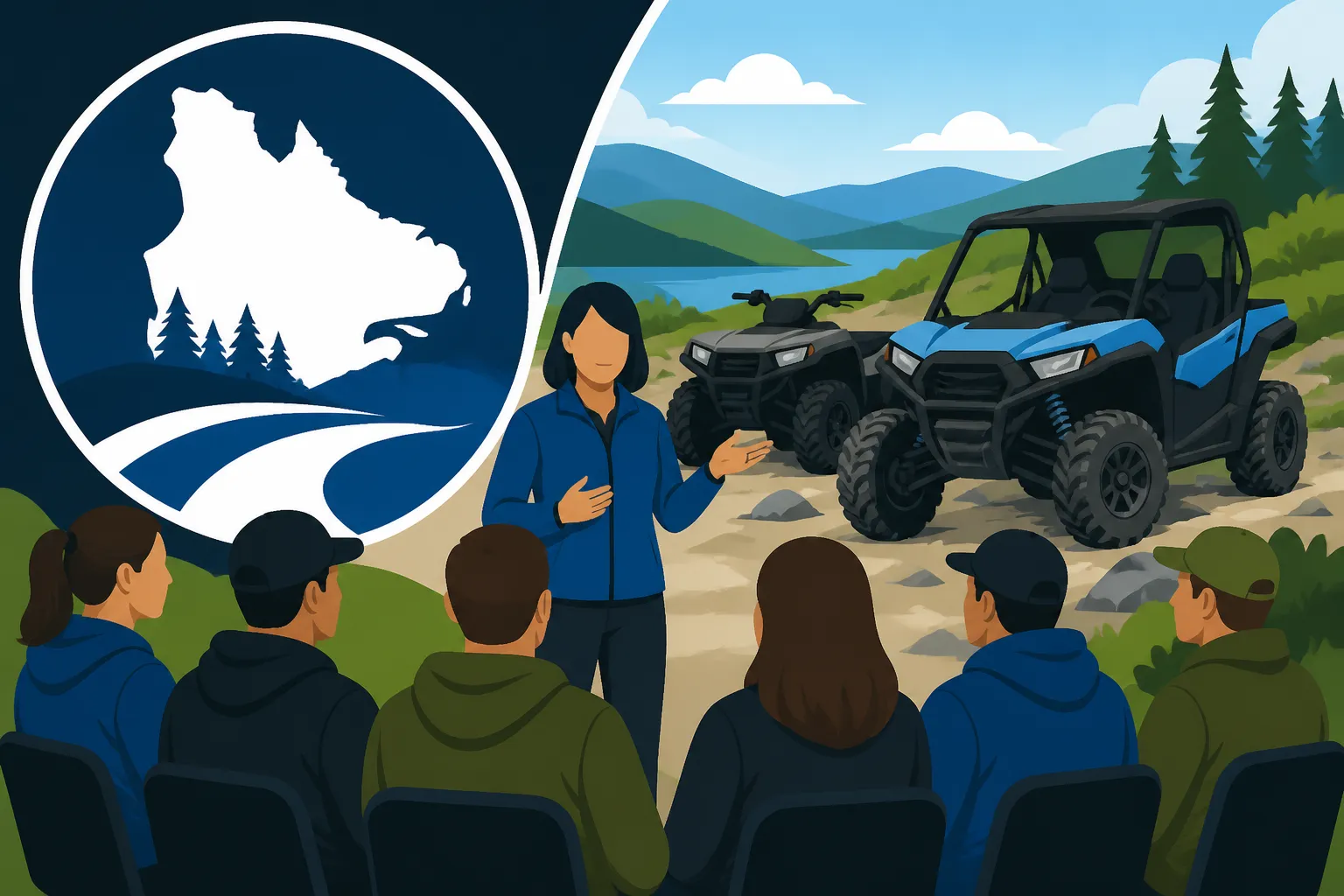
When we talk about "public assemblies" in relation to Quebec's ATV setback rules, we're not referring to spontaneous protests or large gatherings in the traditional sense. Instead, it typically refers to formal public consultations, municipal council meetings, or officially sanctioned community meetings where local by-laws or specific land-use issues are discussed. These are structured opportunities for citizens, landowners, and stakeholders (including ATV clubs) to express their opinions, concerns, and proposals regarding local regulations.
These assemblies are usually initiated by a municipality or local government in response to a need for a new by-law, a revision to an existing one, or a specific request from residents or local organizations. They are transparent processes designed to gather feedback before decisions are made that could impact the community, such as allowing an ATV trail segment to run closer to certain homes than the provincial default.
How Communities Can Influence Setback Rules
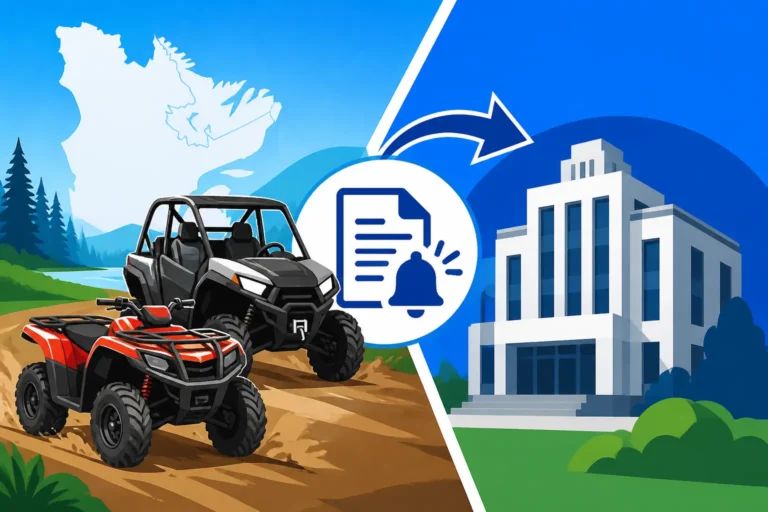
Communities, primarily through their municipal governments, have the power to create by-laws that can adapt the provincial off-highway vehicle regulations to their local context. This doesn't mean they can simply ignore provincial law, but rather that they can utilize the provisions within the LVHR that allow for local adjustments. One key element here is the requirement for a [Quebec's 15-Day Notice to the Ministry] before a municipality can pass a by-law that would allow off-highway vehicles to operate closer than 100 metres to a dwelling.
This notice period ensures that the provincial government is aware of local intentions and has an opportunity to review them. It’s a mechanism for local autonomy while maintaining a degree of oversight. By-laws passed after such a process might, for instance, designate a specific section of a trail or an access route where the setback is reduced, often because of unique geographical constraints, historical use, or a community-supported decision to integrate a trail more closely with a village or local business.
Shortening the 100-Metre Setback Through Deliberation
The specific power of a public assembly lies in its ability to inform and legitimize a municipal decision to shorten the 100-metre setback. If a local government holds public consultations, gathers feedback, and determines that it is in the best interest of the community (and meets provincial legal requirements) to allow OHVs closer to dwellings in very specific, defined areas, they can enact a by-law to that effect.
This isn't a carte blanche for all riders; it's a narrowly defined exception. For example, a village council might decide, after a public meeting, to allow a federated trail to run 50 metres from certain homes along a specific, well-defined route to connect to a gas station or a local restaurant, providing economic benefits to the community. This process requires significant community engagement and a formal municipal resolution. The result is a legally recognized deviation from the standard provincial rule, crafted with local input and consent.
Practical Implications for Riders and Residents
These provisions for public assemblies and modified setbacks have tangible effects on both off-highway vehicle riders and the residents living near trails. They shape where and how you can ride, and how communities interact with the off-road vehicle world.
Impact on Trail Access and Development
For riders, the possibility of modified setbacks, approved through public assemblies, can be a game-changer for trail access. It means that certain critical links in the trail network, which might otherwise be blocked by the 100-metre rule, can potentially be opened or maintained. This is particularly relevant for creating continuous circuits or connecting trails to services like fuel, food, and lodging within villages. Without these local adjustments, some trail networks would be severely fragmented, making long-distance touring much harder.
However, it's a double-edged sword. While it can enhance access, it also means riders must be extra diligent. A trail that suddenly runs closer to homes due to a municipal by-law demands even higher levels of respectful riding, adherence to speed limits, and noise awareness. The success of such an exemption relies heavily on the good conduct of riders, ensuring that the community's trust is not betrayed. Maintaining and expanding [Quebec ATV Trails: The FQCQ Network] often involves navigating these very local nuances.
Navigating Local Regulations
The biggest challenge for riders is that these specific setback modifications are hyper-local. What applies in one municipality may not apply in the next. There isn't a single, uniform provincial map showing all these nuanced exceptions. This means riders must be proactive in checking local municipal by-laws, often through ATV club websites or direct contact with municipal offices, to understand the specific rules for the area they intend to ride in.
Relying solely on provincial rules might lead to unintentionally breaking a local by-law or, conversely, missing out on an authorized access point. It underscores the importance of local knowledge and the role of regional ATV clubs in disseminating this information to their members. Ignorance of a local by-law is not a valid defense if you're stopped by a patrol.
The Resident's Perspective
From a resident's point of view, public assemblies offer a critical avenue to voice concerns about off-highway vehicle traffic near their homes. They can advocate for stricter adherence to the 100-metre rule or, in some cases, support modifications if they see clear benefits to the community (e.g., increased tourism, easier access for local farmers). The outcome of these assemblies directly impacts their quality of life, ranging from noise levels and dust to perceived safety.
For residents, these assemblies are where they can negotiate a balance. They might agree to a reduced setback for a specific, well-maintained trail segment, provided there are strict enforcement measures for speed and noise. Conversely, they might push back vigorously against any proposed reduction if they feel their peace and privacy are already compromised. This highlights the ongoing dialogue and compromise needed between riders and local communities.
Advocating for Change or Maintaining the Status Quo
Whether you're a rider hoping for better trail access or a resident concerned about noise, understanding how to engage with these public assembly processes is key. It's about being an informed and active participant in your community.
Participating in Local Public Consultations
If you want to have a say in how off-highway vehicle setbacks are managed in your area, attending and participating in local public consultations is essential. These meetings are where proposed by-laws are presented, and residents are invited to provide feedback. For riders, this is an opportunity to highlight the economic benefits of trails, the importance of connectivity, and the commitment of the riding community to responsible behavior. For residents, it's a chance to articulate concerns about noise, safety, and property values.
Come prepared with facts, a respectful demeanor, and clear, concise points. Emotions can run high in these discussions, but constructive dialogue is far more effective. Joining your local ATV club is often the best way to stay informed about upcoming consultations that might affect your riding area, as clubs are usually at the forefront of these discussions.
Role of ATV Clubs and Municipalities
Local ATV clubs play an absolutely vital role in bridging the gap between riders and municipalities. They are often the primary point of contact for local governments seeking input on trail development and management. Clubs conduct trail maintenance, organize volunteers, and often advocate on behalf of the riding community in these public assemblies. They can present well-researched proposals for setback modifications, demonstrating how such changes could benefit the entire community while mitigating potential negative impacts.
Municipalities, in turn, rely on the organized structure and local knowledge of these clubs. Working together, they can identify areas where setback modifications are feasible and beneficial, ensuring that any changes are implemented responsibly. [Quebec Clubs and What They Maintain] extends beyond the trails themselves, reaching into legislative advocacy and community relations.
When Modified Setbacks Are a Good Idea (and When They Aren't)
A modified setback, allowing an ATV trail closer to homes, can be a good idea in very specific circumstances. For example, if it connects a crucial segment of a long-distance circuit, provides essential access to local businesses, or uses a pre-existing corridor that minimizes new disturbance. These are typically scenarios where the overall community benefit, combined with strict controls and responsible rider behavior, outweighs the impact of reduced distance.
However, reducing setbacks is not always a good idea. It's usually a poor choice in densely populated residential areas, near schools, or where noise and safety concerns are already high. It requires careful consideration of the specific local context, the type of dwellings, the expected volume of traffic, and the ability to enforce rules. The goal is always to strike a sustainable balance, not to simply push trails closer to homes without good reason.
Equipment and Respect for Setback Rules
Even with the potential for modified setbacks, the responsibility to be a good neighbor falls squarely on the shoulders of every rider. The right equipment and a respectful attitude go a long way in ensuring harmonious coexistence with residents, regardless of the precise legal distance.
Keeping Noise Down
Noise is, without a doubt, one of the biggest complaints from residents about off-highway vehicles. Even if a local by-law allows you to ride 50 metres from a dwelling instead of 100, a loud machine will still cause a disturbance. This makes proper maintenance of your exhaust system absolutely critical. Ensure your muffler is in good condition, free of leaks, and not modified in a way that increases noise output beyond legal limits.
Choosing a machine that is naturally quieter can also help. Aftermarket parts, like specific exhaust systems, can sometimes help reduce decibels, but always ensure they comply with local and provincial regulations. While SuperATV is known more for robust components that enhance performance and durability, ensuring your machine is running efficiently and quietly with well-maintained parts, from engine components to tires, contributes to being a more considerate rider near residential areas. A well-running engine is often a quieter engine.
Visibility and Respectful Riding
Beyond noise, the manner in which you ride also deeply impacts how communities perceive OHVs. Even on sections with reduced setbacks, maintaining a slow, steady speed, especially when passing homes, is non-negotiable. Avoid unnecessary revving, sudden acceleration, or aggressive riding. Your goal should be to pass through these sensitive areas as quietly and unobtrusively as possible.
Visibility also plays a role. Ensure your headlights and taillights are working, especially during dusk or dawn, so you are easily seen by residents or other trail users. Simple acts of courtesy, like slowing down significantly or even briefly waving to residents if you make eye contact, can help foster a positive image for the entire riding community. Practicing [Quebec Trail Etiquette Locals Expect] is about more than just rules; it's about building relationships.
Checking Local Maps and Apps
To truly navigate Quebec's extensive trail network while respecting all local regulations, you need reliable information. This means regularly consulting official sources like the FQCQ (Fédération Québécoise des Clubs Quads) website, which provides updated trail maps and conditions. Many riders also use mobile applications like the iQuad app, which can show you federated trails, points of interest, and often highlight specific local restrictions or sensitive areas.
Before heading out, especially into unfamiliar territory, take the time to review the planned route. Look for any areas that might pass through or near residential zones. If you're using a GPS device or app, make sure your maps are up-to-date and cross-reference them with any local by-law information you've gathered. The iQuad app can be incredibly helpful for this, allowing you to visualize your route and anticipate sensitive sections. Understanding and utilizing [Quebec Trail Maps and the iQuad App] is part of being a responsible rider.
| Aspect | Standard 100-Metre Rule | Modified Setback (via Public Assembly) |
|---|---|---|
| Default Distance | 100 metres from any habitually occupied dwelling | Can be less than 100 metres (e.g., 50m, 30m) |
| Authority | Provincial law (LVHR) | Municipal by-law, approved after public consultation |
| Purpose | Default buffer for noise, safety, privacy | Allows critical trail links, local access, economic benefit |
| Process | Applies universally unless specific exception | Requires formal municipal public assembly, 15-day ministry notice |
| Rider Responsibility | Maintain distance, follow general rules | Heightened responsibility for quiet, respectful, slow riding |
| Community Involvement | General compliance | Direct input on specific local implementation |
| Applicability | General rule across Quebec | Specific to designated areas within a municipality |
Disclaimer
This article is for general informational purposes only and does not constitute professional advice. Laws, prices and regulations vary by location and change over time. Consult a qualified professional for guidance on your specific situation.