Quebec ATV Helmet Rules
Riding an ATV or UTV in Quebec is an incredible way to experience the province's breathtaking landscapes, from dense forests to rolling hills and vast open territories. However, the thrill of the ride comes with a serious responsibility, and one of the most critical aspects of safe off-road vehicle operation is helmet use. Navigating the specific regulations around helmets in Quebec can feel a bit like trying to find your way through an unmarked trail in the dark – confusing and potentially risky. This comprehensive guide will shed light on Quebec's ATV helmet rules, ensuring you understand exactly what's required to ride safely and legally, without any unwelcome surprises from trail patrols or law enforcement.
The Foundation of Quebec's Helmet Rules for ATVs
Quebec takes off-highway vehicle safety very seriously, and helmets are at the absolute core of those regulations. It's not just a suggestion; it's a legal mandate designed to protect riders from severe injury. Understanding the framework of these rules is the first step toward enjoying the trails responsibly.
Understanding the Off-Highway Vehicle Act LVHR
The cornerstone of all ATV and UTV regulations in Quebec is the Act respecting off-highway vehicles, commonly known as the LVHR. This piece of legislation outlines everything from vehicle registration to acceptable riding practices and, crucially, personal protective equipment requirements. When you hit a federated trail, cross a municipal road, or even just operate your machine on private property with public access, you are subject to the LVHR. The Act is clear: operating an off-highway vehicle is inherently an activity that carries risks, and measures like helmet use are non-negotiable safeguards. It’s important to remember that these rules are in place for your protection and the safety of everyone sharing the trails. Many owners focus on [Quebec ATV Registration With the SAAQ] and forget the details of safety equipment until they are stopped.
Universal Helmet Requirement
The most fundamental rule is straightforward: if you're riding an ATV, UTV, or any other off-highway vehicle designated by the Act, you must wear a helmet. This applies to both the driver and any passengers. There's no grey area here for recreational riding. Whether you're cruising at a leisurely pace or tackling more challenging terrain, that helmet needs to be securely fastened.
This isn't a rule that changes based on your age, the type of trail, or the time of day. From the moment you start your engine until you shut it off, if you are on the machine, your head must be protected. This unwavering requirement reflects the potential for serious head injuries in off-road accidents, even at low speeds or during seemingly minor incidents. Think of it as a seatbelt for your head; it’s always on, always secured. And it applies to every quad, from a small youth machine to a powerful side-by-side with four seats.
Approved Standards and Certifications
It’s not enough to just wear any helmet; it must be an approved one. Quebec's LVHR specifies that helmets must conform to certain safety standards. This means you can't just grab an old bicycle helmet or a construction hard hat and call it good. The helmet you wear must be specifically designed for motor vehicle use and meet recognized safety certifications.
Generally, this includes standards like DOT (Department of Transportation), Snell, ECE (Economic Commission for Europe), or CSA (Canadian Standards Association). These certifications indicate that the helmet has undergone rigorous testing for impact protection, penetration resistance, and retention system strength. When you're shopping for a helmet, look for a sticker or label inside that clearly states one of these approvals. Without it, even if you’re wearing a helmet, you could still be considered non-compliant by a trail patrol officer. Always check for the certification markings to ensure your helmet offers legitimate protection and meets legal requirements. It's also critical for passengers to have properly certified helmets, especially if you're heading out for [Quebec Group Ride Planning].
Specific Scenarios and Exceptions to the Rule
While the universal helmet rule is broad, Quebec's regulations do account for specific situations and types of riding. It’s crucial to understand these nuances to avoid fines and ensure you’re always compliant, regardless of your activity.
Visor vs. Goggles
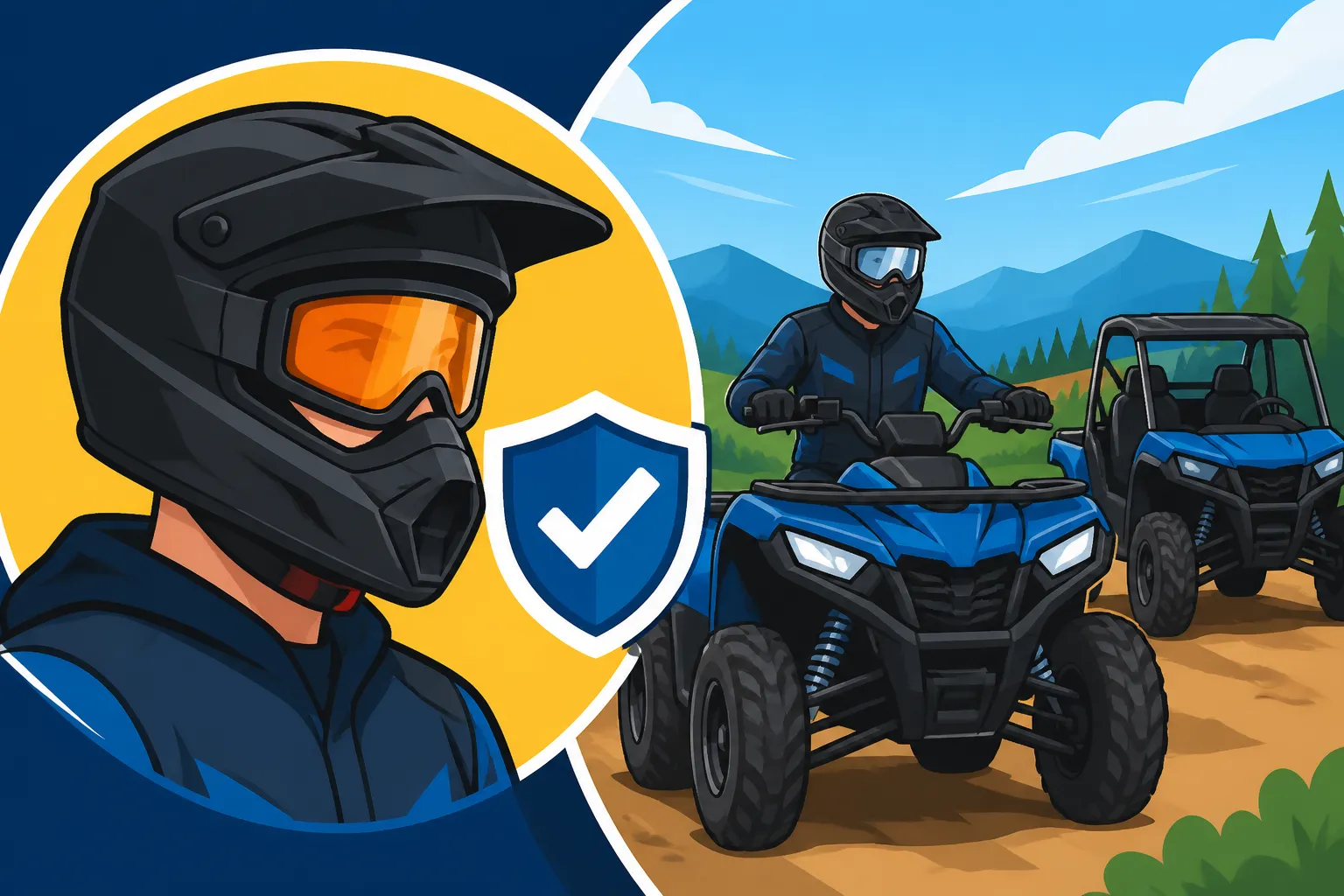
Beyond the helmet itself, eye protection is also a key component of safe riding. Quebec law states that if your helmet doesn't come equipped with a visor that covers your eyes, you must wear goggles or another form of eye protection. This isn't just about avoiding a ticket; it's about practical safety. Dust, branches, insects, and even small rocks can be kicked up on the trail, causing serious eye injury or temporary blindness, which can lead to an accident.
Many off-road helmets are designed without full visors, especially those preferred by more aggressive riders or those who value maximum airflow. In these cases, a good pair of impact-resistant goggles is absolutely essential. Ensure your goggles fit snugly with your helmet and provide clear, unobstructed vision. Some riders even prefer specific types of goggles for varying light conditions. The bottom line is that your eyes must be protected from debris and the elements, whether by a helmet visor or separate goggles. Don't overlook this detail; clear vision is paramount for safe trail navigation.
Trappers and Farm Workers: Limited Exceptions
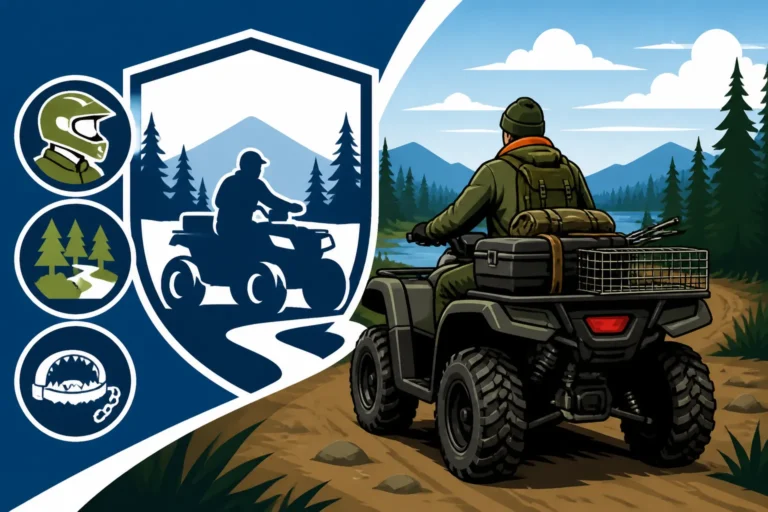
Quebec's LVHR provides very specific and limited exceptions to the helmet rule, primarily for certain professional activities. Trappers and farm workers are generally exempt from wearing a helmet if they are operating their off-highway vehicle strictly within the scope of their work, at a low speed (typically under 30 km/h), and often in situations where frequent stops and dismounts are necessary. For example, a trapper checking traps or a farmer inspecting fences might be exempt under these precise conditions.
However, these exemptions are not a carte blanche. The moment a trapper is using their quad for recreation, or a farmer takes their machine off their own land for a pleasure ride, the helmet rule applies fully. The intent of the exemption is to avoid impractical burdens for workers whose jobs require them to constantly get on and off their machines in remote or agricultural settings. It's critical that if you believe you fall under one of these exemptions, you are absolutely sure you meet all the specific criteria defined by the law. Misinterpreting these exceptions could lead to significant fines. If you're a trapper, it’s worth familiarizing yourself with [What a Trapper's Quad Needs on the Trapline].
Passengers and Youth Riders
The helmet requirement extends to all passengers on an off-highway vehicle, no matter their age. If your machine is designed to carry a passenger – meaning it has a factory-installed passenger seat and handholds – that passenger must also wear an approved, properly fitted helmet. Riding two-up on a machine only designed for one rider is illegal and incredibly dangerous, even if both are wearing helmets.
For youth riders, the rules are particularly stringent. While specific age requirements dictate who can operate an ATV or side-by-side in Quebec (for instance, a minimum age of 16 for an ATV and 18 for a side-by-side on federated trails), the helmet rule applies equally to them. If a 16-year-old is operating an ATV on a trail, they need to wear a helmet, and if they have a passenger, that passenger needs one too. For younger riders who may be permitted to ride on private land under supervision, they still require a helmet. The idea is that head protection is universal for all off-highway vehicle users in Quebec. This applies even to [Quebec Rules for a Child Passenger].
For those looking to enhance their UTV for safety or utility, especially if carrying passengers or gear, accessories from brands like SuperATV can be a great addition. While not directly related to helmets, adding items like sturdy windshields, full doors, or even cargo boxes can improve the overall safety and functionality of your machine, complementing the personal protective gear you're already wearing.
Enforcement, Fines, and Staying Compliant
Understanding the rules is one thing; living by them on the trail is another. Quebec's enforcement bodies are vigilant about ATV and UTV safety, and non-compliance with helmet rules carries real consequences.
What Patrols Look For
When you're out on the trails, whether it's a federated FQCQ trail or a common access road, you can expect to encounter various patrols. These might be Sûreté du Québec officers, municipal police, or authorized trail patrollers from local ATV clubs. Their primary role is to ensure rider safety and adherence to the LVHR. One of the first things they'll look for, right alongside your registration and trail pass, is proper helmet use.
Patrols will check several things:
- Is a helmet being worn by everyone on the machine? This means driver and all passengers.
- Is the helmet approved? They might look for the DOT, Snell, or ECE certification sticker.
- Is the helmet properly fastened? An unbuckled helmet offers little protection.
- Is there adequate eye protection? If the helmet doesn't have a visor, are goggles being worn?
- Is the helmet in good condition? While not always directly finable, a visibly damaged helmet might raise questions about its protective capacity.
They are not just checking a box; they are looking to make sure you are genuinely protected. If you're riding a [Quebec Side-by-Side Age Rule of 18], they'll also verify the driver's age and licence. Carrying your identification and proof of registration (the VHR plate and associated paperwork from the SAAQ, as outlined in [Quebec's SAAQ Is Registrar and Insurer]) is also crucial, as these checks often go hand-in-hand.
Penalties for Non-Compliance
The penalties for not following Quebec's helmet rules can be significant. Riding without an approved, fastened helmet is a serious offense under the LVHR, and you can expect to be fined. These fines are not trivial and are designed to act as a deterrent, reinforcing the importance of safety. The exact amount can vary but typically starts in the hundreds of dollars, plus administrative fees. And remember, these fines apply per infraction, meaning if both a driver and a passenger are unhelmeted, both could be fined.
Beyond the immediate financial penalty, repeatedly violating safety rules can lead to more severe consequences, potentially including vehicle impoundment in extreme cases. It's simply not worth the risk. A fine is a small price compared to the cost of a head injury, but it's still an unnecessary expense that can easily be avoided by simply wearing the right gear. Understanding [Quebec Ticket Costs for Trail Violations] can give you a clear picture of what's at stake.
Practical Tips for Choosing and Maintaining Your Helmet
Choosing the right helmet is an investment in your safety. Here are some tips to ensure you stay compliant and protected:
- Get the Right Fit: A helmet should fit snugly without being uncomfortably tight. It shouldn't move freely on your head when you shake it. A loose helmet can shift during an impact, compromising its protective ability.
- Look for Certifications: Always ensure your helmet has a recognized safety standard (DOT, Snell, ECE, CSA). Don't buy a helmet without one.
- Consider Your Riding Style: If you ride aggressively, you might prefer a lightweight motocross-style helmet with good ventilation and combine it with high-quality goggles. If you prefer a more enclosed feel, a dual-sport or full-face helmet might be better.
- Inspect Regularly: Check your helmet for cracks, deep scratches, or any signs of impact. Even if it looks okay, a helmet that has been involved in an accident should be replaced, as its protective integrity may be compromised.
- Replace When Needed: Helmet materials degrade over time, even without visible damage. Manufacturers generally recommend replacing helmets every 5-7 years, or sooner if specified.
- Store Properly: Keep your helmet in a cool, dry place away from direct sunlight or harsh chemicals that could degrade its materials.
For additional protection and comfort on longer rides, especially in colder weather, consider balaclavas or helmet liners. If you are regularly doing demanding trail maintenance or going through thick brush, investing in a robust helmet from a reputable brand designed for extreme conditions is wise. While it's critical to buy a certified helmet, adding practical accessories to your machine, such as a sturdy roof or a full windshield, can enhance your ride's comfort and protection from elements, complementing your personal protective gear. Many riders opt for quality accessories from companies like SuperATV to customize their machines for specific riding conditions and improved rider experience.
Staying compliant with Quebec's helmet rules is not just about avoiding fines; it's about prioritizing your well-being and enjoying the thrill of off-road riding responsibly. Don't compromise on safety; gear up correctly every time you hit the trails.
Here’s a quick overview of Quebec’s helmet requirements:
| Aspect | Requirement | Details |
|---|---|---|
| Who Must Wear | All drivers and passengers of ATVs, UTVs, and other off-highway vehicles. | No exceptions for recreational riding. Applies regardless of age, location (federated trail, road crossing, most private lands), or speed. |
| Helmet Type | Must be an approved helmet designed for motor vehicle use. | Look for certification stickers: DOT (USA), Snell (USA), ECE (Europe), or CSA (Canada). |
| Fit and Fastening | Helmet must fit snugly and be securely fastened with its chin strap. | A loose or unfastened helmet offers minimal protection and can be a finable offense. |
| Eye Protection | If the helmet does not have a full-face visor, separate eye protection (goggles) is mandatory. | Protects against debris, dust, and branches, ensuring clear vision. |
| Trapper/Farm Worker Ex. | Exemptions exist ONLY when performing specific work duties, at low speeds (typically under 30 km/h), and when frequent stops/dismounts are required for the task. | Not applicable for recreational riding, even if you are a trapper or farmer. Strict conditions apply; consult the LVHR for precise definitions. |
| Penalties | Significant fines (often hundreds of dollars per infraction) plus administrative fees. | Fines apply to each individual (driver and passenger) found non-compliant. Repeat offenses can lead to more severe consequences. |
Disclaimer
This article is for general informational purposes only and does not constitute professional advice. Laws, prices and regulations vary by location and change over time. Consult a qualified professional for guidance on your specific situation.