Quebec Rules for a Child Passenger
One of the most common questions I hear from fellow quad enthusiasts, especially those with young families, revolves around taking kids along for a ride on the trails. It's totally understandable; sharing the passion for the outdoors with your children is a joy, but the rules in Quebec about child passengers on ATVs (VTTs) and side-by-sides (VHRs) can feel like a tangled forest trail. This guide aims to clear up that confusion, diving deep into what the law says, what's simply good common sense, and how to keep your little ones safe and legal on Quebec's vast trail network.
The Foundational Rules for ATV and UTV Passengers in Quebec
When you're out on the trails in Quebec, whether it's on a quad or a side-by-side, the safety of everyone on board is paramount, and the law reflects that. The regulations are designed to prevent accidents and serious injuries, which is why they are quite specific about who can ride where. It's not just about throwing a helmet on a kid and hitting the gas; there's a lot more to it than that.
Decoding the "Factory-Designed Seat" Requirement
The cornerstone of Quebec's Off-Highway Vehicle Act regarding passengers is crystal clear: "no person may carry a passenger on an off-highway vehicle unless the vehicle is equipped with a seat designed for that purpose by the manufacturer." This seemingly simple sentence carries a lot of weight. It means that if your machine didn't come from the factory with a designated, purpose-built seat for a passenger, then carrying one is illegal. This rule isn't some arbitrary bureaucratic hurdle; it's rooted in physics and safety engineering. Vehicles are designed with a specific center of gravity, weight distribution, and chassis strength to handle a certain number of occupants safely. An extra person, especially one not properly secured, can dramatically alter these dynamics, increasing the risk of rollovers or loss of control, particularly on uneven terrain or during sudden maneuvers. This rule applies equally whether you're riding through the picturesque Laurentians or exploring the more rugged terrain of Abitibi.
It’s crucial to understand that "designed by the manufacturer" isn't open to interpretation. It means that the vehicle's original design and specifications, as it rolled off the assembly line, must include that passenger seating. If you're unsure, consulting your owner's manual or the manufacturer's specifications for your specific model is always a good starting point. This often comes up in discussions about [What Quebec's Off-Highway Vehicle Act Changed for Owners], highlighting the stricter stance on vehicle modifications and passenger safety.
Single-Rider ATVs: The Hard Truth About Passengers
For most traditional ATVs, the ones designed with a single, elongated seat that the driver straddles, the hard truth is that they are almost universally designed for one rider only. While that long seat might look like it has room for two, if the manufacturer didn't explicitly equip it with a separate, distinct passenger position, complete with footrests and handholds, then carrying a passenger – especially a child – is prohibited. I've seen countless discussions in online forums and at local club meetings where owners express frustration over this, especially those who remember a time when it was more common to see a parent and child riding together on a single-seat quad.
However, the law has evolved to prioritize safety. The risks associated with a passenger on a single-rider ATV are significant. The passenger, often a child, can interfere with the driver's ability to shift their weight, a critical skill for navigating turns and obstacles. They can also be thrown off much more easily, as they lack the same ability to brace themselves. Even a momentary lapse in concentration or an unexpected bump can lead to a serious incident. So, if your quad is a single-rider model, then unfortunately, the law in Quebec requires you to enjoy your rides solo or find a machine specifically designed for multiple occupants if you want to bring a child along.
Side-by-Sides: Designed for More Than Just the Driver
Side-by-sides, also known as UTVs or VHRs in Quebec, offer a different experience when it comes to carrying passengers, and their design inherently lends itself to family outings on the trails. These machines have become incredibly popular precisely because they offer a more car-like experience with multiple seats and enhanced safety features.
Understanding Multi-Passenger UTVs and Seating Capacity
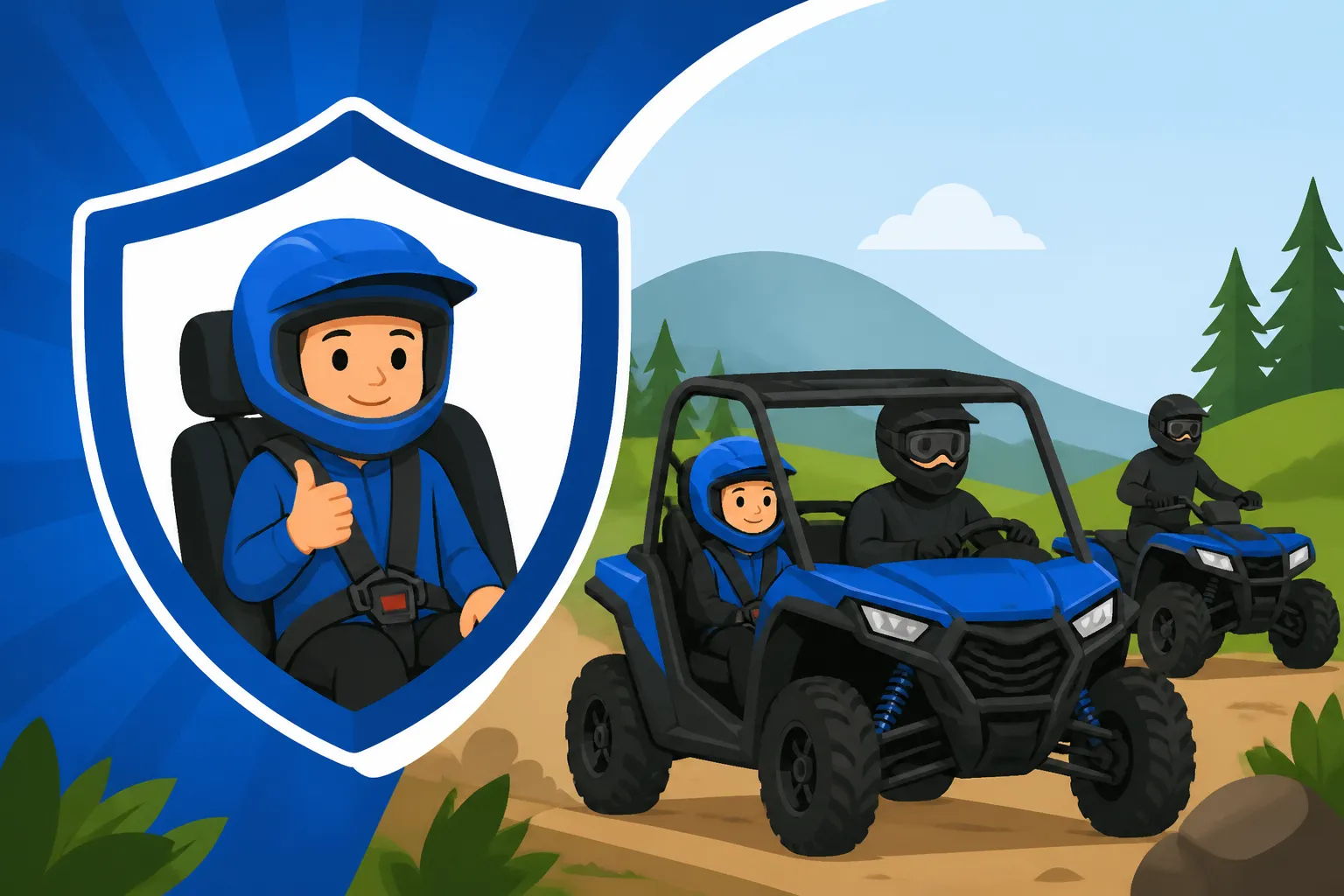
Unlike most traditional ATVs, many side-by-sides are indeed designed from the factory to accommodate multiple passengers. They come with bucket seats or bench seating, complete with individual seatbelts, a protective roll cage, and often doors or side netting. This design is what makes them legal and safer for carrying children, provided they are seated in a designated, factory-installed position. You'll find models designed for two, three, four, or even six occupants, each with their own secure seating. This distinction is vital because it directly addresses the "factory-designed seat" requirement in the Quebec law.
When considering a side-by-side for family rides, always confirm the manufacturer's stated seating capacity. Don't try to squeeze an extra person into a seat designed for one, or worse, have them stand or ride on the cargo bed. These machines are built with specific points for [Seat Belts and Factory Capacity], and deviating from that is not only illegal but extremely dangerous. Many operators will look for ways to enhance their UTV for comfort or utility; a company like SuperATV, for instance, offers a range of accessories from cargo boxes to full windshields, which can improve the riding experience, but always remember to prioritize safety and legality when it comes to seating arrangements.
Ensuring a Child's Safety in a Side-by-Side: Beyond Just a Seatbelt
While side-by-sides are inherently safer for passengers than single-rider ATVs, simply buckling a child into a seatbelt isn't the end of your safety considerations. Children, especially younger ones, might not fit standard adult seatbelts properly, potentially leading to "submarining" under the lap belt in a collision or having the shoulder belt ride too high on their neck. Although there aren't explicit provincial laws mandating child car seats or boosters in off-highway vehicles, applying common sense and best practices from road safety is a wise move.
Consider whether your child is tall enough and heavy enough for the seatbelt to fit securely across their hips and chest. If not, some aftermarket solutions designed specifically for UTVs and tested for safety might offer better restraint, but always ensure they comply with manufacturer recommendations and do not compromise the vehicle's original safety systems. Beyond proper restraint, ensure their hands and feet are kept inside the vehicle at all times, especially while moving. Children naturally want to reach out or stand up, so consistent reminders and supervision are key. Remember, the goal is to protect them from both impact and ejection during a sudden stop or turn.
Legal Minimums and Parental Prudence for Young Riders
Beyond the physical seating arrangements, there are legal age requirements for drivers, and a whole host of practical considerations for ensuring the safety and well-being of any child you bring along on your off-road adventures.
Driver Eligibility When Carrying a Child Passenger
It's absolutely essential to distinguish between the rules for passengers and the rules for drivers. While a child might be permitted as a passenger in a factory-designed multi-passenger UTV, the person driving that UTV must meet Quebec's age and licensing requirements. In Quebec, you must be at least 16 years old to operate an ATV and 18 years old to operate a side-by-side (VHR). Furthermore, all drivers must hold a valid driver's licence. This means that even if your 16-year-old has their ATV license, they still can't drive a side-by-side with a child passenger, or any passenger for that matter, until they are 18. This is an important distinction often highlighted in resources like [Quebec Requires 18 for a Side-by-Side] and [Quebec Rules for a Side-by-Side Driver].
So, before you even think about buckling in your child, ensure the driver is fully compliant with the law. A driver who is not legally permitted to operate the machine or does not possess the required licence is putting themselves, their passengers, and everyone else on the trail at risk, not to mention facing significant fines if caught. [Quebec Fines for Riding Without a Licence] can be steep, and that's just the financial cost; the potential human cost of an accident is far greater.
Essential Safety Gear and Practices for All Young Passengers
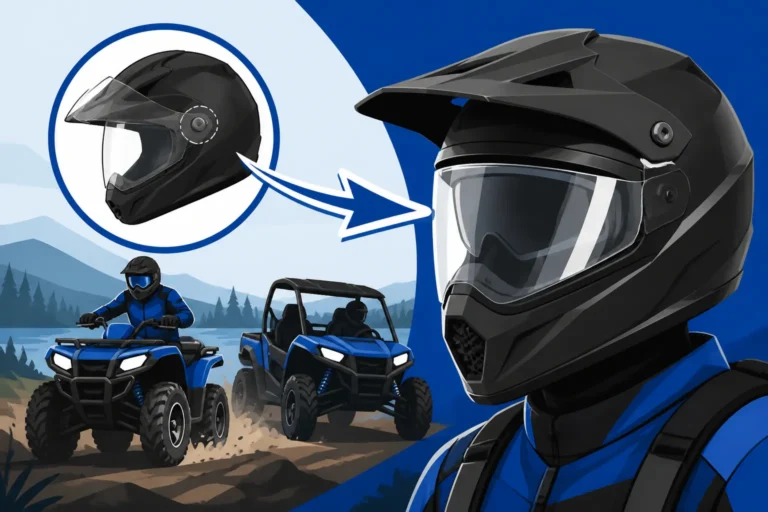
Just as drivers must adhere to strict safety gear requirements, so too must child passengers. A helmet is non-negotiable for anyone riding an off-highway vehicle in Quebec, regardless of age or position in the vehicle. The helmet must be properly fitted, securely fastened, and meet safety standards. It should also have a visor, or the child must wear goggles, to protect their eyes from dust, debris, and insects. For more details on this, you can check out [Quebec Helmet and Visor Rules].
Beyond the helmet, other protective gear is highly recommended for children:
- Eye Protection: Goggles or a full-face visor are essential.
- Long-Sleeved Shirt and Pants: To protect against scrapes, cuts, and sun exposure.
- Gloves: Offer grip and protection from minor abrasions.
- Over-the-Ankle Boots: To protect feet and ankles, and provide good grip on footrests.
Encouraging children to keep their hands and feet inside the vehicle at all times, to hold onto grab handles if available, and to remain seated throughout the ride are crucial practices. Before heading out, conduct a thorough pre-ride inspection of your machine, and always be aware of the terrain and weather conditions. Your role as a parent and driver is to model safe behavior and enforce these rules consistently. It is critical to consider [Children and Machine Size] when assessing both physical fit and the child's ability to safely occupy the space provided.
Navigating Common Passenger Misconceptions and Enforcement
The desire to bring children along on rides is strong, and sometimes that leads to creative solutions or interpretations of the rules that simply don't align with Quebec law or best safety practices. It's important to be clear about what is and isn't permitted to avoid fines and, more importantly, to keep everyone safe.
The Perils of Aftermarket Passenger Seats on ATVs
This is a big one. Many manufacturers of aftermarket accessories, including well-known names like SuperATV, offer a wide array of products to enhance your machine. You might see "passenger seats" or "add-on rumble seats" available for traditional ATVs. While these products might seem like a convenient solution for taking a child along, it's absolutely crucial to understand that installing an aftermarket passenger seat on a single-rider ATV does NOT make it legal to carry a passenger in Quebec. The law specifies "designed for that purpose by the manufacturer" – meaning the original equipment manufacturer. An aftermarket addition, no matter how well-made or popular, does not change the vehicle's original classification or legal passenger capacity in the eyes of Quebec law.
Trying to bypass this rule with an aftermarket seat can lead to significant fines if you're caught by a trail patrol or Sûreté du Québec officer. Even more critically, it creates a dangerous situation. These add-on seats are often not integrated into the vehicle's frame in the same way a factory-designed multi-passenger system would be. They can affect the ATV's stability, and the passenger, especially a child, is at a much higher risk of injury in the event of a sudden stop, turn, or rollover. Insurance coverage could also be complicated or even voided if an accident occurs while operating the vehicle illegally. This is a primary reason why the concept of [Passengers Only Where the Factory Allows] is so heavily emphasized.
What to Expect from Trail Patrols Regarding Passengers
When you're out on the vast network of Quebec's federated trails, you should always be prepared for an encounter with a trail patrol officer or law enforcement. These patrols are there to ensure everyone's safety and compliance with the Off-Highway Vehicle Act. They are well-versed in the regulations, including those concerning passengers. If they stop you and you have a child passenger, they will first assess whether the vehicle is legally designed for multiple occupants.
Here's what a patrol officer will typically look for:
- Vehicle Type and Seating: Is it a side-by-side (VHR) with factory-designed seating, or a traditional ATV with an aftermarket passenger seat? If it's the latter, expect a fine.
- Seatbelts and Restraints: Are all passengers, especially children, properly secured with factory-installed seatbelts?
- Helmet and Gear: Is everyone wearing an approved, properly fitted helmet with eye protection?
- Driver Eligibility: Is the driver of legal age and holding a valid driver's licence for the machine type?
If you're found to be in violation of the passenger rules, you could face fines, and in some cases, you might even be asked to cease your ride until the violation is corrected. It's not uncommon for patrols to perform [Quebec Equipment Checks by Patrols], and passenger arrangements are a significant part of that check. Always be polite and cooperative with officers; they are simply doing their job to ensure the safety of all riders on the trail.
Here’s a quick summary table to help clarify passenger rules:
| Feature/Aspect | Traditional ATV (VTT) | Side-by-Side (VHR/UTV) |
|---|---|---|
| Designed For | Typically single-rider (straddle seat) | Multi-passenger (bucket or bench seats) |
| Passenger Legality | Generally NO, unless factory-designed and certified. Most are single-rider only. | YES, if equipped with factory-designed seats and seatbelts. |
| Aftermarket Seats | NOT permitted to make a single-rider ATV legal for passengers. | May enhance existing seating (e.g., harnesses), but not create new illegal seats. |
| Driver Age | 16+ with valid driver's licence | 18+ with valid driver's licence |
| Child Restraint | Not applicable if illegal to carry passenger | Factory seatbelt required. Consider boosters for fit, though not legally mandated for OHV. |
| Required Gear | Helmet, eye protection, long clothes, gloves, boots (for driver and any legal passenger) | Helmet, eye protection, long clothes, gloves, boots (for all occupants) |
| Safety Features | Limited passive safety for passenger | Roll cage, seatbelts, doors/nets for added protection |
Ultimately, understanding and respecting Quebec's rules for child passengers on ATVs and UTVs isn't just about avoiding a ticket; it's about safeguarding the youngest members of your riding family. Prioritize their safety above all else, stick to the letter of the law, and ensure that every ride is a memorable one for all the right reasons.
Disclaimer
This article is for general informational purposes only and does not constitute professional advice. Laws, prices and regulations vary by location and change over time. Consult a qualified professional for guidance on your specific situation.