Quebec Registration for a Four-Seat Machine
It can be pretty confusing when you're looking to register a larger, four-seat off-road machine in Quebec. You might assume it's just like registering any other ATV, but these bigger side-by-sides come with their own set of rules, particularly from the SAAQ, and getting it wrong can lead to headaches down the trail. This comprehensive guide is here to clear up that confusion, walking you through all the specific steps and considerations for properly registering your four-seat machine so you can hit Quebec's incredible trail network with peace of mind.
Understanding Your Four-Seat Machine in Quebec
First things first, let's talk about what we mean when we say "four-seat machine." In Quebec, this usually refers to a larger side-by-side or UTV (Utility Terrain Vehicle) that's factory-designed to carry more than two people. Unlike the traditional, saddle-seated ATV (which the SAAQ often calls a VTT, or véhicule tout terrain), these machines typically feature a steering wheel, foot pedals, and bucket or bench seats, making them feel more like a small car. Their increased size and passenger capacity naturally bring about different regulatory considerations, and it’s critical to understand these distinctions right from the start.
What Qualifies as a Four-Seat Machine?
When you’re looking at a four-seat machine, you're almost certainly talking about a side-by-side (SxS) or UTV. These are classified by the SAAQ as véhicules hors route (VHR), which simply means "off-road vehicles." The key characteristic here is the factory-installed seating for four occupants. This isn't about adding extra seats to a two-seat machine; it's about the manufacturer's original design and safety specifications. If your machine left the factory with four dedicated seating positions, that's how it will be recognized and regulated.
The difference in seating capacity isn't just a comfort factor; it impacts everything from the type of driver's licence required to the minimum age for operation and the specifics of your insurance coverage. Quebec takes the safety of multiple passengers very seriously, so machines built to carry more people are scrutinized a bit more closely than a standard two-seat quad. You’ll find these classifications matter when you're dealing with the SAAQ, buying insurance, or even just explaining your vehicle to a friend.
Key Differences from a Two-Seat ATV
While both two-seat ATVs and four-seat side-by-sides fall under the VHR umbrella in Quebec, the distinctions for registration and use are significant. A standard ATV is designed for one or two riders, straddling a seat like a motorcycle. A four-seat side-by-side, on the other hand, is much wider, heavier, and has a different centre of gravity. This translates into distinct requirements. For instance, the SAAQ has a specific age rule for side-by-side drivers, which is higher than for regular ATVs.
These larger machines also often come with more complex safety features, like full roll cages and seat belts for all occupants, which are crucial components for passenger safety and are part of why the regulations differ. When you register your four-seat machine, the SAAQ isn't just registering an off-road vehicle; they're registering a specific type of off-road vehicle with specific capabilities and passenger loads. Knowing these differences helps you anticipate the information you'll need and the rules you'll need to follow. Understanding [Quebec VHR Plates Explained] can also shed light on how these different vehicle types are identified.
Why Quebec's Rules Are Specific for Multi-Passenger Vehicles
Quebec's specific rules for multi-passenger off-road vehicles like four-seat side-by-sides are rooted in safety and liability. More people in a vehicle inherently means a higher potential for injury in an accident, and thus, a greater need for robust regulations. The province wants to ensure that anyone operating such a machine is adequately prepared and that the vehicle itself meets safety standards for its intended use. This is why you'll see specific age limits and liability insurance requirements that are tailored to the potential risks associated with these machines.
The goal isn't to make it harder for you to enjoy the trails; it's to protect riders, passengers, and the public. These rules help mitigate risks on shared trails and roads, and they ensure that if something does go wrong, there's a proper legal and financial framework in place. For example, the SAAQ's involvement as both registrar and insurer for off-road vehicles simplifies things in some ways, but also means they have a vested interest in enforcing these safety-centric regulations. This comprehensive approach is part of [What the SAAQ Actually Does for Quad Owners] and explains why they treat different machine types differently.
The SAAQ and Four-Seat Registration: What You Need to Know
The Société de l'assurance automobile du Québec, or SAAQ, is your one-stop shop for registering any off-road vehicle in Quebec, including your four-seat side-by-side. They handle the registration process and also provide the mandatory liability insurance that every off-road machine must carry. Dealing with the SAAQ can feel a bit like navigating a maze if you're not prepared, but understanding their role and what they require will make the process much smoother. It's a system designed to ensure all off-road vehicles are properly identified and insured for public safety.
The SAAQ's Role for VHRs
The SAAQ is unique in that it acts as both the registration body and the mandatory liability insurer for all off-road vehicles in Quebec. This means when you pay your annual registration fee, a portion of that fee goes towards providing you with the minimum liability insurance coverage required by law. For multi-passenger vehicles like four-seat side-by-sides, this dual role is particularly important because the liability risks are higher. The SAAQ ensures that every registered VHR has at least the basic level of protection.
Their mandate is to ensure the safety of all road users, and that extends to off-road users who might interact with public roads, cross highways, or even just ride on federated trails that are regularly patrolled. They issue your registration certificate and your VHR plate, which is crucial for identification and legal operation. So, understanding that the SAAQ isn't just a bureaucracy but also a key player in your safety net is important. They are the gatekeepers to legal off-road fun in Quebec.
Required Documents for Registration
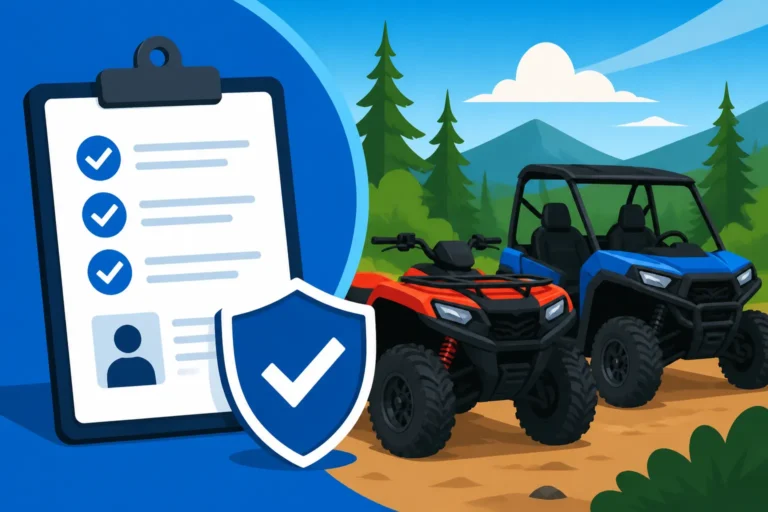
Gathering the correct documents is perhaps the most critical step when registering your four-seat machine. Whether you're buying new from a dealer or privately, or even importing a machine, the SAAQ will need solid proof of ownership and identity. Here’s a general checklist of what you'll typically need to present:
- Proof of Identity: A valid driver's licence or other government-issued photo ID.
- Proof of Residence: A recent utility bill or other official document showing your Quebec address.
- Proof of Ownership:
- New Machine (Dealer Purchase): The NVIS (New Vehicle Information Statement) or a similar manufacturer's certificate of origin. The dealer will often handle much of this paperwork for you, simplifying the process.
- Used Machine (Private Sale): A detailed bill of sale signed by both the buyer and the seller. This document must include the full names and addresses of both parties, the machine's VIN (Vehicle Identification Number), year, make, model, and the sale price. Without a proper bill of sale, you'll run into serious roadblocks. Many people use templates from services like LawDepot for their bill of sale to ensure it's legally sound.
- Imported Machine: Customs documentation, proof of previous registration (if applicable), and a bill of sale or ownership certificate from the previous jurisdiction.
- Payment for Registration Fees and Taxes: Be prepared to pay applicable provincial sales tax (QST) on the purchase price, unless it was a gift (which has its own forms) or the seller was a dealer who collected the tax. The registration fee itself is annual.
Having all these documents organized before you visit an SAAQ service centre will save you a lot of time and potential frustration. It’s always a good idea to call ahead or check the SAAQ's official website for the most current requirements, especially if your situation is unique (e.g., inherited machine, machine with missing papers). For a general overview, refer to [Documents to Bring to a Service Counter].
Understanding the VHR Plate and Its Purpose
Once your four-seat machine is registered, the SAAQ will issue you a VHR plate. This isn't just a decorative item; it serves several crucial purposes for legal operation in Quebec. The VHR plate identifies your machine and confirms that it has met the provincial registration and mandatory insurance requirements. This plate is typically smaller than a car plate and is designed to fit on the fender or rear of your off-road vehicle.
When you're out on the trails or crossing a public road, law enforcement, club patrollers, or even other riders might check for this plate. It's proof that your machine is legal to operate on federated trails and in designated off-road areas. Without a valid VHR plate and its corresponding registration, you risk fines and potential impoundment. Ensure it's always securely affixed and visible, as required by law. The VHR plate is a fundamental component of [Quebec's Off-Highway Vehicle Act and Your Papers], signifying your compliance with the regulations.
Specific Considerations for Four-Seat Machines
Registering a four-seat machine isn't just about the paperwork; it also involves understanding the unique operational rules that come with a vehicle designed for multiple passengers. From who can drive it to how it needs to be insured, these considerations are vital for safe and legal riding.
Age and Driver's Licence Requirements
This is where four-seat side-by-sides really diverge from typical ATVs. In Quebec, the minimum age to operate a side-by-side (which includes any multi-passenger VHR) is 18 years old. This is a strict rule, and it's higher than the 16-year-old minimum for two-seat ATVs. This age requirement reflects the increased weight, size, and passenger capacity of these machines, along with the greater responsibility that comes with transporting multiple people.
Furthermore, any driver of a VHR, including a four-seat machine, must hold a valid driver's licence. This isn't just for road use; it applies to operating the machine on trails as well. A learner's permit is generally not sufficient for operating a VHR on federated trails or public land. So, before anyone takes the wheel of your four-seater, ensure they meet both the age and licence criteria. This is clearly outlined in [Quebec Side-by-Side Age Rule of 18] and [Do You Need a Licence for an ATV in Quebec?].
Insurance for Multi-Passenger Vehicles
As mentioned, your SAAQ registration includes mandatory minimum liability insurance. This basic coverage is crucial, especially for a four-seat machine, as it protects you against claims for bodily injury or property damage you might cause to others. The current minimum liability coverage mandated by the SAAQ is substantial. Understanding this liability floor is important for all VHR owners. [Quebec's Liability Insurance Rule] details this further.
However, the SAAQ's mandatory coverage is usually just for third-party liability. For a multi-passenger vehicle, you might want to consider additional private insurance coverage. This supplementary insurance can cover:
- Damage to your own machine: If your four-seater is damaged in an accident or stolen.
- Medical expenses: Beyond what the SAAQ covers, for yourself or your passengers.
- Collision and comprehensive coverage: For peace of mind against a wider range of incidents.
Given the higher purchase price of many four-seat side-by-sides, and the potential for multiple occupants, it's a wise move to speak with a private insurer about additional protection. This ensures you're fully covered in case of an accident involving yourself, your passengers, or your valuable machine.
Trail Access and Passenger Rules
Once your four-seat machine is registered and insured, you'll naturally want to hit the trails! Quebec's federated trail network is extensive, and four-seat side-by-sides are generally welcome, provided you adhere to specific rules. The most important rule for passengers is that your machine must have factory-installed seating and seat belts for every occupant. You cannot legally add aftermarket seats or carry more passengers than the machine was designed for by the manufacturer.
Each passenger must occupy a dedicated seat and use the provided seat belt. This is non-negotiable for safety and legal compliance. Children passengers also have specific rules regarding age and size in relation to the machine, so always consult the most current regulations from the FQCQ (Fédération québécoise des clubs quads) and the SAAQ. Knowing [Quebec Passenger Rules on an ATV] is essential before heading out with friends or family. Remember, these rules are in place to ensure everyone enjoys a safe ride.
Navigating the Registration Process
The actual process of getting your four-seat machine registered with the SAAQ can vary slightly depending on how you acquired it. Whether it's a brand-new purchase from a dealer or a used machine from a private seller, knowing the right steps will save you time and frustration. Being prepared with the right information and documents is key to a smooth transaction.
New Purchases: Dealer vs. Private Sale
The registration process for a new four-seat side-by-side differs significantly whether you buy from an authorized dealer or a private individual.
Dealer Purchase:
When you buy a new machine from a dealer, they will typically handle most of the SAAQ paperwork for you. They'll submit the necessary documents, collect the provincial sales tax (QST), and even apply for your VHR plate. This is often the easiest route, as they are familiar with the specific forms and requirements. You'll usually just need to provide your identification and payment, and they'll take care of the rest, giving you a temporary registration or guiding you on when to expect your permanent one. This usually streamlines the process of [Registering a Side-by-Side in Quebec].
Private Sale:
Buying privately means you, the buyer, are responsible for handling the registration with the SAAQ directly. This requires more diligence on your part. You'll need:
- A comprehensive bill of sale: This is critical. It must clearly identify the machine (make, model, VIN, year), the agreed-upon sale price, and the full contact information of both the seller and the buyer. It's wise to use a template from a reputable source like LawDepot to ensure all necessary legal details are included.
- Proof of your identity and residence: As always.
- Payment for QST and registration fees: The SAAQ will calculate the sales tax based on the greater of the declared sale price or the estimated market value of the machine. They want to ensure fair tax collection.
- The seller's previous registration certificate: While not strictly required for the buyer to register, it helps confirm the machine's history and proper ownership.
Always verify the VIN on the machine matches the bill of sale and any previous registration documents. If there's any discrepancy, do not proceed with the purchase until it's resolved. [Quebec SAAQ Forms for a Private Sale] will guide you to the specific paperwork you'll fill out.
Transferring an Existing Registration
If you've purchased a used four-seat machine that was already registered in Quebec, you'll need to transfer that registration into your name. This is done at an SAAQ service centre. The process is similar to registering a private sale, with the key difference being that the machine already has a VHR plate and a history with the SAAQ.
You will need the original bill of sale (as described above for private sales) and your personal identification. The SAAQ will then update their records, transfer the registration, and issue you a new registration certificate in your name. You'll also pay the QST on the purchase price if it wasn't already collected, and the registration fee (or a prorated portion if the previous owner cancelled theirs and returned the plate). Make sure you understand [Quebec Registration Transfer After a Sale] before you go. It's a fairly straightforward process if you have all your documents in order.
Potential Pitfalls and How to Avoid Them
Even with careful planning, sometimes things can go sideways. Here are some common pitfalls when registering a four-seat machine and how to steer clear of them:
- Missing or Incomplete Bill of Sale: This is the most frequent issue. A handwritten note on a napkin isn't going to cut it. Ensure your bill of sale is thorough, legible, and includes all legally required information. If in doubt, use a template from a legal document service like LawDepot.
- Discrepancies in VIN: Always double-check that the VIN on the machine matches the VIN on the bill of sale and any other ownership documents. If they don't match, you could be trying to register a stolen vehicle or a vehicle with a problematic history. Walk away or demand clarification before purchase.
- Unpaid Liens: Before buying privately, especially a more expensive four-seat machine, ask the seller for proof that there are no outstanding liens on the vehicle. The SAAQ won't register a machine with an active lien against it without the lienholder's consent, and you could end up owning a machine that's repossessed. [Quebec Registration and Lien Records] is a good read on this.
- Incorrect Tax Calculation: Don't be surprised if the SAAQ assesses QST based on their internal valuation if your declared purchase price seems unusually low. They have systems to prevent undervaluation for tax purposes. Declare the actual price paid.
- Lack of Proof of Ownership: Sometimes, especially with older machines, the original ownership papers might be lost. Registering a machine without a clear chain of ownership can be very difficult. The SAAQ has specific procedures for [Quebec Registration Without a Bill of Sale], but it's a much more involved process.
- Incorrect Driver Age/Licence: Ensure you, or anyone who will drive your four-seat machine, meets the 18-year-old age requirement and has a valid driver's licence. This isn't a registration pitfall per se, but it's a crucial operational one that you need to be aware of from day one.
By being proactive and meticulously checking your documents and the machine's details before completing your purchase, you can avoid these common headaches and enjoy your four-seat machine on Quebec's trails without a hitch.
| Feature / Category | Two-Seat ATV (VTT) | Four-Seat Side-by-Side (VHR Multi-Passenger) |
|---|---|---|
| Seating Type | Saddle seat, straddled | Bucket or bench seats, car-like interior |
| Steering Type | Handlebars | Steering wheel |
| Minimum Driver Age | 16 years old (with proper training/licence) | 18 years old (with valid driver's licence) |
| Driver's Licence | Required for trail/road use | Required for trail/road use |
| Passenger Capacity | 1-2 passengers (if factory equipped for 2) | 3-4 passengers (if factory equipped for 4) |
| Seatbelts | Not always present on 2-seat ATVs (check model) | Mandatory for all occupants if factory equipped |
| Registration Body | SAAQ | SAAQ |
| Plate Type | VHR plate | VHR plate |
| Mandatory Insurance | SAAQ-provided liability minimum | SAAQ-provided liability minimum |
| Typical Use | Recreation, sport, light utility | Recreation, family touring, heavier utility |
Disclaimer
This article is for general informational purposes only and does not constitute professional advice. Laws, prices and regulations vary by location and change over time. Consult a qualified professional for guidance on your specific situation.