Children and Machine Size
It’s a tale as old as time: a parent wants to share the joy of off-road riding with their children, but the rules around what machine size is appropriate and, more importantly, what's legal for kids in Quebec can feel like a maze. You don't want to inadvertently break the law, put your child at risk, or invest in a machine they'll quickly outgrow or aren't allowed to ride yet. This guide will cut through the confusion, explaining Quebec's specific regulations regarding children, their age, and the size and type of off-road vehicle they can legally operate, ensuring both fun and safety.
Understanding Quebec's Core Age Rules for Off-Road Machines
Quebec has very clear, and sometimes stringent, rules when it comes to who can operate an off-road vehicle (VHR, or VTT as we call ATVs here). These rules are primarily based on age and the type of machine, and they’re designed to protect young riders. Many parents feel caught between wanting their kids to experience the great outdoors and ensuring they adhere to the letter of the law. It’s a common frustration, but understanding these foundational rules is the first step to enjoying the trails responsibly.
The Basic 16-Year-Old Rule for ATVs
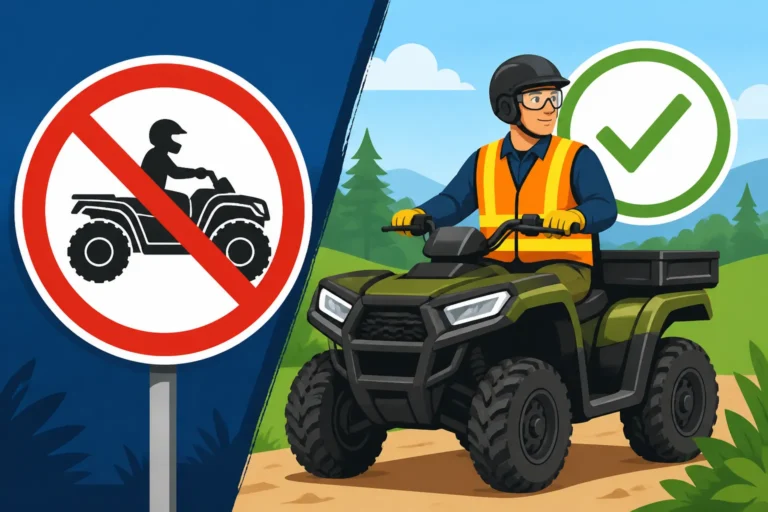
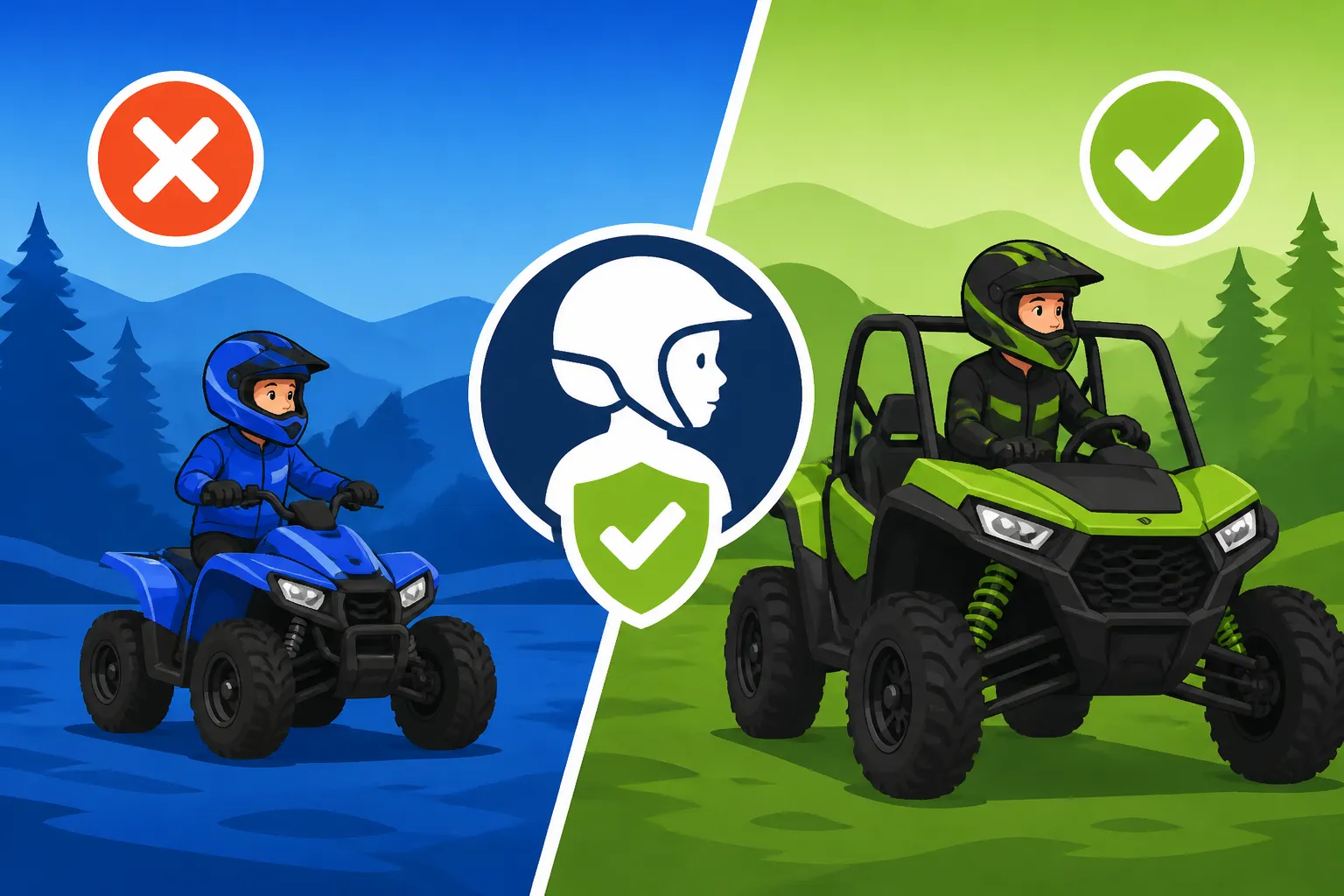
For the vast majority of federated trails and any public land where ATV riding is permitted, the law is unambiguous: a person must be at least 16 years old to drive an ATV. This isn't just a suggestion; it's a legal requirement under the province's Off-Highway Vehicle Act. This means if you have a 14-year-old who's a phenom on two wheels and itching to get on a quad, they simply cannot legally do so on a public trail or any property that isn't strictly private land where specific conditions are met. This rule applies to all standard ATVs, regardless of their engine size or physical dimensions. It’s about the legal age of operation, not the machine's perceived "youth" status. Many parents find this a tough pill to swallow, especially if their child is physically capable, but the law prioritizes uniform safety standards. You'll often see this reinforced by clubs, who will check [Quebec Training Certificates for Teen Riders] and IDs.
Why Side-by-Sides Have a Different Age Requirement
Here's where it gets a little more nuanced, and often surprises people: side-by-sides (SxSs, or UTVs) have an even higher minimum age requirement. In Quebec, you must be at least 18 years old to drive a side-by-side. This is often because these machines are heavier, wider, and can achieve higher speeds, sometimes with more sophisticated controls. They might feel safer due to their roll cages and seatbelts, but their increased power and size demand a more mature and experienced operator. So, if your 16-year-old is legally allowed on an ATV, they still can't jump into the driver's seat of your side-by-side on a federated trail. This distinction is crucial and often overlooked, leading to potential fines and safety risks. It really underlines that Quebec takes the power and mass of these machines seriously when it comes to who can pilot them. For any family considering purchasing an SxS, knowing [Quebec Rules for a Side-by-Side Driver] is paramount.
The Special Case for Private Land and Younger Riders
Now, for a glimmer of hope for younger aspiring riders: there is an exception to the age rules when it comes to truly private land. A child under 16 (for an ATV) or under 18 (for a side-by-side) may be permitted to operate a VHR on private land under specific conditions. The key here is "private land" – this means land that is not accessible to the public, such as your own farm, a private cottage property, or leased hunting land. Even then, strict rules apply. The child must have written parental authorization, and they must be under the direct supervision of an adult. They also must not exceed 30 km/h, and the machine must be appropriate for their physical capabilities. This isn't a free-for-all; it's a carefully regulated exception. The idea is to allow controlled, supervised learning in a safe environment without the complexities of public trails or roads. Many parents breathe a sigh of relief when they learn about this, as it allows their kids to get valuable experience before they hit the legal age for public access. It's an opportunity to teach proper riding techniques and safety habits, away from the traffic of other machines. Just be sure to have that [Quebec Parental Authorization Forms] ready and understand [Quebec Rules for a 15-Year-Old on Family Land].
Machine Capacity and Passenger Rules
Beyond age, the physical design and capacity of the off-road vehicle itself play a massive role in determining who can ride it and where children fit into the picture. It’s not just about getting a helmet on their head; it’s about understanding the machine’s intended use and limitations, especially when passengers are involved. Too often, people assume that if there’s a space, it’s fair game for a passenger, but the law and safety standards say otherwise.
Factory-Designed Seating for Children and Passengers
The golden rule when it comes to passengers on any off-road machine in Quebec is this: if the manufacturer didn't design it for a passenger, then no passenger is allowed. This is critically important for ATVs. Many older ATVs, and even many newer sport models, are designed strictly as single-rider machines. They have a single seat, and perhaps small foot pegs, but they are not built to carry a second person. Side-by-sides are different; they are almost universally designed for multiple occupants, with proper bucket seats or bench seats, seatbelts, and roll cages. When you're considering carrying a child as a passenger, you must ensure the machine is factory-equipped for it. This means a distinct, raised, or elongated seat designed for a second person, and usually separate handholds or footrests. Trying to squeeze a child onto the tank or behind you on a single-rider ATV is not only illegal but incredibly dangerous. It impairs your control, shifts the machine's center of gravity unexpectedly, and offers no protection for the child. The SAAQ (Société de l'assurance automobile du Québec) and trail patrols are very serious about [Quebec Passenger Rules on an ATV].
The Dangers of Riding Double on Single-Seater Machines
This point bears repeating because it's one of the most common, and most dangerous, infractions seen on trails. Riding double on a single-seat ATV is strictly prohibited in Quebec. Period. The machine is not balanced for it, the suspension is not designed for the extra weight distribution, and the ergonomics for the operator are severely compromised. When you hit a bump, make a sharp turn, or go up a steep incline, the passenger can easily shift, causing you to lose control. For children, who have less body control and awareness of sudden movements, the risks are amplified. They can fall off, get caught in moving parts, or be injured in a rollover that might have been avoided if the machine was ridden as intended. Beyond the safety risks, there are hefty fines for this violation, and it could also affect your insurance coverage in case of an accident. Always remember, the factory design isn't just a suggestion; it's a safety guideline. You wouldn't put an adult on a youth machine, so likewise, don't put a child on an adult single-seat machine as a passenger. If you're looking for a machine that truly fits two, consider a dedicated two-up ATV or a side-by-side.
Matching a Child's Size and Strength to a Machine
Even when a child is legally allowed to ride (e.g., on private land or at 16 on an ATV), the machine must be appropriate for their physical size, strength, and coordination. This isn't just about weight; it's about reach to handlebars, foot placement on footrests, and the ability to comfortably operate the throttle, brakes, and steering. A child who is too small will struggle to maintain control, especially in challenging terrain or during emergency maneuvers. A common mistake is putting a smaller child on a full-size ATV because "they'll grow into it." This is a recipe for disaster.
Here’s a simple guideline:
- Reach: Can the child comfortably reach and operate the handlebars and controls without stretching or leaning excessively?
- Foot Placement: Can their feet remain firmly on the footrests while riding, especially when standing?
- Weight: Is the machine's weight manageable for the child to maneuver and control, particularly during turns or if they need to shift their weight?
- Power: Is the engine size appropriate for their experience level? A smaller engine (e.g., a "youth" model) is always a safer starting point.
Some parents might look into aftermarket parts to adjust a machine for a better fit, like lower footpeg kits or handlebar risers. While these can sometimes help with ergonomics, they should never be used to make an adult machine suitable for a child who is still too young or too small for its inherent power and weight. Brands like SuperATV offer a huge range of accessories, but it’s critical to ensure any modifications are for comfort or utility for an appropriately sized rider, not to circumvent age and size restrictions. Always prioritize safety over "making it work."
Training, Supervision, and Safety Gear for Young Riders
While legal age and machine size are fundamental, they are only part of the safety equation. Riding an off-road vehicle, even a smaller one, requires skill, judgment, and the right protective equipment. For young riders, proper training, vigilant supervision, and mandatory safety gear are non-negotiable elements that can mean the difference between a fun outing and a serious accident.
The Importance of FQCQ Training Certificates for Teens
For 16- and 17-year-olds who wish to ride an ATV on federated trails, obtaining an FQCQ (Fédération québécoise des clubs de quads) training certificate is not just important – it's mandatory. This certificate proves that the young rider has completed an approved safety course, learning essential skills like proper throttle control, braking techniques, hazard avoidance, turning, climbing, and descending hills, and understanding trail etiquette and the Quebec Off-Highway Vehicle Act. This isn't a formality; it's a comprehensive course designed to instill confidence and competence. Many adults could benefit from such training too, but for teens, it's a legal requirement to ensure they understand the risks and how to mitigate them. Expect trail patrols to ask for this certificate along with their [Quebec ATV Registration and Proof of Ownership] and driver's license. Without it, even a 16-year-old with a valid driver's license cannot legally operate an ATV on a federated trail in Quebec. The cost and effort of getting this certificate are minimal compared to the safety benefits it provides.
Parental Supervision: What It Means in Quebec
For younger riders permitted on private land, parental supervision is key. But what does "supervision" actually entail? It means direct, active oversight, not just being somewhere on the property while the child rides. The supervising adult must be:
- Present and Attentive: Physically present, watching the child, and ready to intervene. This isn't the time to be distracted by a phone or other tasks.
- Knowledgeable: The supervising adult should be an experienced rider themselves, capable of guiding and correcting the child's technique.
- Within Earshot and Sight: Able to communicate effectively with the child and see their every move.
- Ready to Act: Prepared to stop the child, offer instruction, or provide assistance if needed.
This kind of supervision is about hands-on teaching and ensuring the child is riding within their limits and the machine's capabilities. It's about instilling good habits from the start. Remember, this exception for private land riding is for learning and supervised enjoyment, not for unsupervised play. [Adult Supervision Off Family Land] is a specific requirement that aims to prevent accidents before they happen.
Essential Safety Gear for All Young Riders
Regardless of age or location, proper safety gear is non-negotiable for anyone riding an off-road vehicle, and this applies doubly for children. The list of mandatory and highly recommended gear includes:
- Helmet: A DOT or ECE approved helmet that fits snugly and securely, specifically designed for off-road use. For children, this is even more critical, as their developing skulls are more vulnerable. [Quebec Helmet and Visor Rules] are strict, and for good reason.
- Eye Protection: Goggles or a helmet with a visor. Dust, insects, branches, and debris are constant hazards on trails.
- Gloves: Protect hands from abrasions, blisters, and improve grip.
- Long Pants and Long-Sleeved Shirt: Durable material like denim or specialized riding gear offers protection against scrapes, brush, and minor impacts.
- Over-the-Ankle Boots: Sturdy boots protect feet and ankles from impacts and help maintain grip on footrests.
These items aren't just for show; they are vital protective layers. Children, being less experienced and often more prone to tumbles, need this protection more than anyone. Investing in good quality, properly fitting gear is just as important as choosing the right machine. For instance, while SuperATV primarily focuses on parts for utility and performance, the general principle of investing in quality and protection extends to gear as well. Ensure everything fits correctly; a helmet that's too big is almost as useless as no helmet at all.
Navigating the Nuances: Common Scenarios and Mistakes
Even with the rules laid out, real-world situations can throw curveballs. Parents often grapple with specific scenarios that aren't immediately clear from the basic regulations. Understanding these nuances and common pitfalls can save you from fines, frustration, and, most importantly, prevent accidents.
Riding a "Youth Machine" and Its Limitations
Many manufacturers produce smaller, lower-powered "youth ATVs" designed specifically for younger riders. These are great tools for learning, but it's crucial to understand that owning a youth machine does not automatically grant a younger child permission to ride it anywhere they please in Quebec. The 16-year-old rule for ATVs on public trails still applies, regardless of the machine's engine size. A youth machine allows for supervised riding on private land if the child meets the private land conditions (parental authorization, supervision, speed limits, etc.). For instance, a 12-year-old can learn on a 90cc youth quad on your private woodlot, but they cannot take that same quad onto the FQCQ federated trail network. The term "youth machine" refers to its design and intended user, not a legal exemption from Quebec's age-based operating rules on public land. It’s a common misconception that because a machine is called a youth ATV, it can be ridden by any youth, anywhere. Always remember that [Quebec Rules for Riders Under 16] are strict outside of specifically defined private property.
What Happens When Rules Are Broken
The consequences of allowing a child to ride illegally in Quebec can be severe.
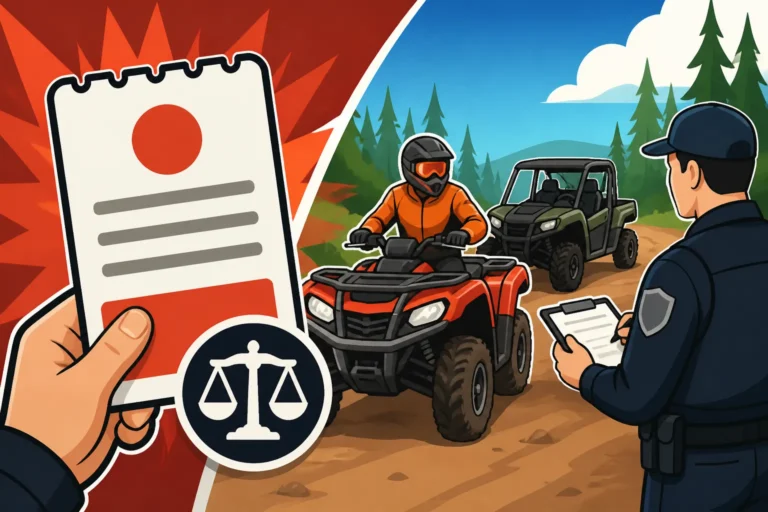
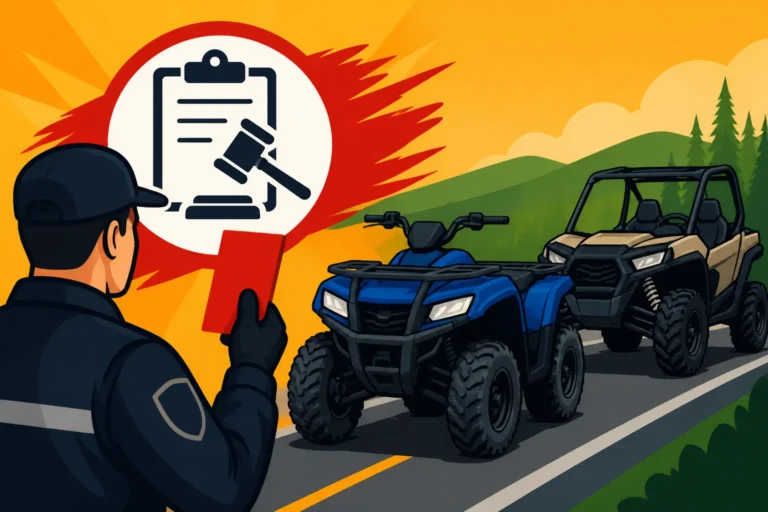
- Fines: Trail patrols (which include police, Sûreté du Québec, and club volunteers with enforcement powers) can issue substantial fines for operating a VHR underage, riding without a valid license (for 16+), riding without a training certificate (for 16-17), or carrying an unauthorized passenger. These fines are often significant and can quickly add up.
- Machine Seizure: In some serious cases, particularly repeat offenses or dangerous riding, the machine itself could be seized.
- Insurance Implications: If an accident occurs while a child is operating a machine illegally (e.g., underage on a trail, or riding double), your insurance policy may be voided, leaving you personally liable for damages and injuries. The [Quebec Insurance Minimum for an Owner] is there to protect you, but only if you abide by the rules.
- Injury and Liability: Beyond legal repercussions, the greatest risk is injury to the child or others. As the adult responsible, you bear the immense burden of liability for any harm that comes from letting a child operate a machine improperly.
It's simply not worth the risk. The rules are in place to ensure safety, and defying them puts everyone at risk, not just your wallet.
Where to Find More Specific Information
Navigating the specifics of off-road vehicle laws can sometimes feel overwhelming, but there are excellent resources available in Quebec to help you get clear answers.
- SAAQ Website: The Société de l'assurance automobile du Québec (SAAQ) is the primary provincial authority for vehicle registration and safety. Their website contains detailed information about VHR laws, age requirements, and registration processes. They are the ultimate source for [Quebec ATV Registration With the SAAQ] and all legal frameworks.
- FQCQ Website: The Fédération québécoise des clubs de quads is the provincial federation of ATV clubs. Their site is invaluable for trail rules, safety courses, and information specific to federated trails, including the mandatory training certificates for young riders. They often provide information on [What a 17-Year-Old Needs Before Riding a Trail] and similar scenarios.
- Local ATV Clubs: Your local quad club is a fantastic resource. Club volunteers are often very knowledgeable about local regulations, trail conditions, and can provide practical advice. They are also often the first point of contact for questions about [Quebec Club Membership and the FQCQ].
- Legislation: For the most precise legal language, you can consult the full text of Quebec's Off-Highway Vehicle Act (Loi sur les véhicules hors route – LVHR). While a bit dry, it is the definitive document.
Remember, when in doubt, it's always better to ask. Connecting with these official bodies and experienced riders can help you make informed decisions, ensuring a safe and enjoyable riding experience for your children and your family in Quebec.
Here's a quick summary of the key age requirements:
| Machine Type | Minimum Age (Federated Trail/Public Land) | Minimum Age (Private Land, Supervised) | Notes |
|---|---|---|---|
| ATV (VTT) | 16 years old | Under 16 (with parental authorization) | Must have valid driver's licence and FQCQ certificate (16-17 yrs old) for public trails. |
| Side-by-Side (SxS) | 18 years old | Under 18 (with parental authorization) | Must have valid driver's licence for public trails. |
| Passenger (ATV) | N/A (Only factory-designed 2-up ATVs) | N/A (Only factory-designed 2-up ATVs) | Illegal to carry passengers on single-seat ATVs. Must use proper seating & safety gear on 2-up or SxS. |
Disclaimer
This article is for general informational purposes only and does not constitute professional advice. Laws, prices and regulations vary by location and change over time. Consult a qualified professional for guidance on your specific situation.