Trapping and the Helmet Exception
Riding an ATV or UTV in Quebec is an incredible way to explore the vast wilderness, access remote hunting camps, or simply enjoy the thrill of the trail. However, one of the most common points of confusion, especially for those who use their machines for work rather than recreation, revolves around helmet laws. It's easy to get caught off guard by the specific rules, particularly if your machine is a critical tool for your livelihood. This comprehensive guide is here to untangle the nuances of Quebec's off-highway vehicle helmet regulations, focusing specifically on the exception that applies to licensed trappers, so you can ride legally and safely while carrying out your essential work.
The Standard Expectation: Helmets on Quebec Trails
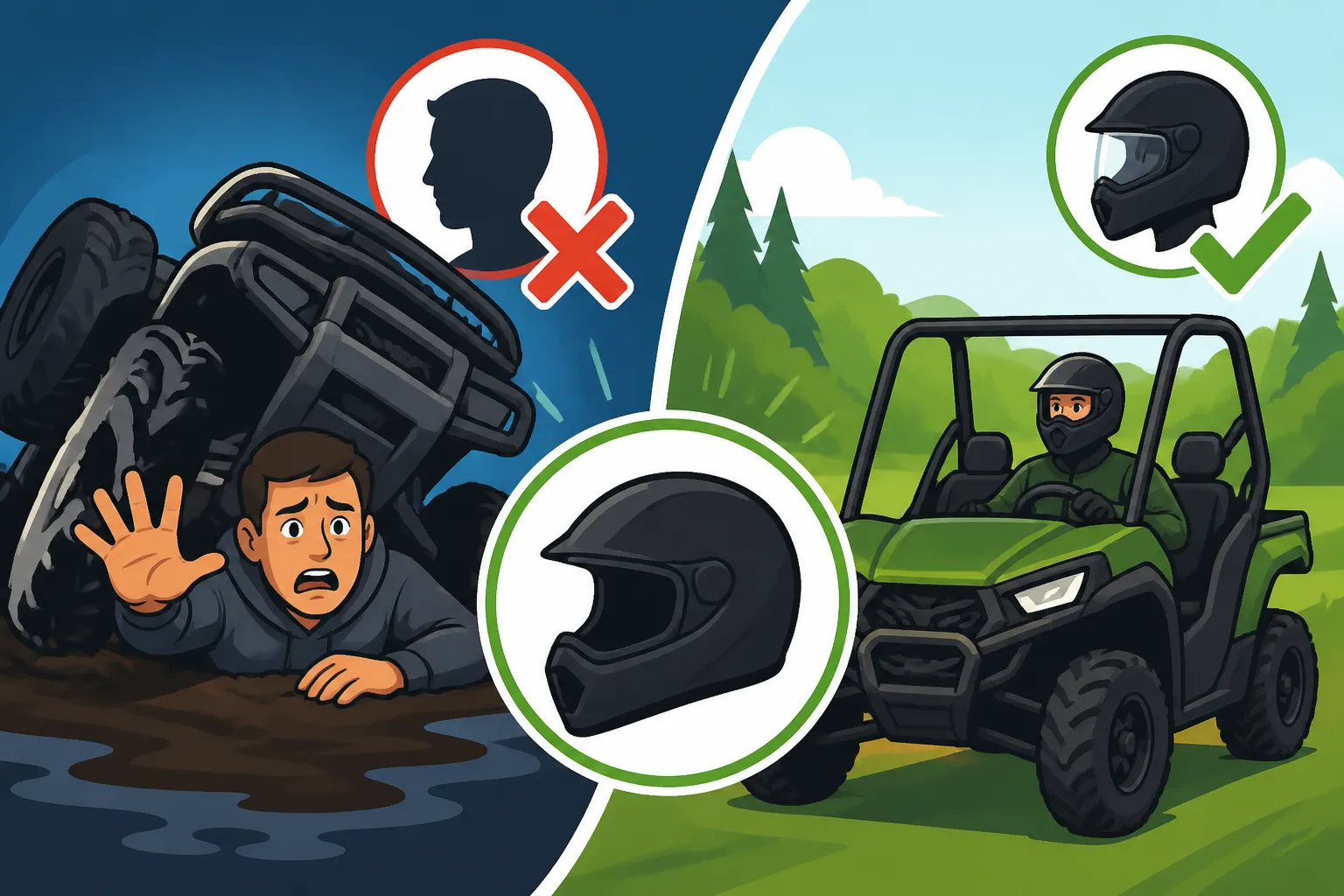
For the vast majority of ATV and UTV riders in Quebec, the rule is crystal clear: a helmet is mandatory. This isn't just a suggestion; it's a legal requirement enshrined in the province's off-highway vehicle legislation. The lawmakers in Quebec prioritize rider safety above all else, and for good reason. Accidents involving ATVs and UTVs, while thrilling, can quickly turn serious, and head injuries are among the most devastating. Mandating helmets significantly reduces the risk of severe injury, protecting riders whether they're navigating challenging terrain or cruising along a well-maintained club trail. This foundational rule applies to almost everyone, from the casual weekend warrior to the serious enthusiast tackling long expeditions through the varied landscapes of Quebec.
Why Helmets Are Non-Negotiable for Most Riders
Imagine heading out on a beautiful fall day, the leaves ablaze with colour, the air crisp and invigorating. You’re navigating a winding trail, maybe a little rocky, maybe a little muddy, and suddenly, you hit an unexpected rut. Or perhaps a deer darts across your path, forcing a quick maneuver. In these unpredictable moments, a helmet is your first and best line of defense. It absorbs impact, distributes force, and provides a crucial barrier between your head and whatever obstacle you might encounter. Without it, even a low-speed tip-over can result in life-altering consequences. This is why the province is so strict about its helmet rules for general riding; it’s about preventing tragedies and ensuring that riders can return home safely at the end of their adventure. The law reflects a commitment to public safety that can't be overstated when it comes to machines that can reach significant speeds and tackle challenging environments. For a deeper dive into the general requirements, check out [Quebec ATV Helmet Rules].
What Makes a Helmet Legal in Quebec
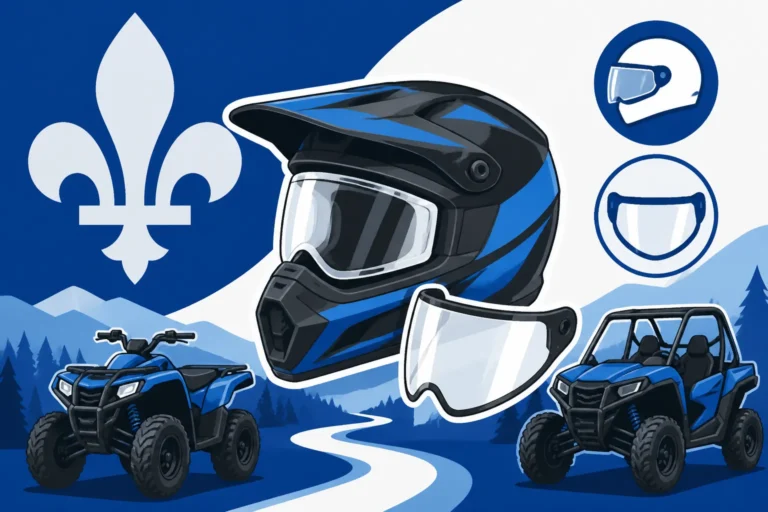
Not just any helmet will do when you're riding your ATV or UTV in Quebec. The law specifies that the helmet must comply with certain safety standards to be considered legal. Generally, this means it needs to be approved by recognized safety organizations, such as DOT (Department of Transportation) in the United States, ECE (Economic Commission for Europe), or Snell. These certifications indicate that the helmet has undergone rigorous testing to ensure it can withstand various impacts and protect the wearer effectively. Beyond the certification, the helmet must be properly fastened with a chin strap and fit snugly. It should also have a visor or be worn with protective goggles to shield your eyes from dust, debris, branches, and even insects, which can be a major distraction and hazard on the trail. Just having a helmet isn't enough; it must be the right kind of helmet, worn correctly, to meet the legal standard and provide actual protection. Riders should always inspect their helmets for damage, as a compromised helmet might not offer the protection it once did.
Understanding the Trapper's Helmet Exception
While the general rule for helmets is strict, Quebec's off-highway vehicle act does make specific allowances for certain types of professional work. One of the most notable and often discussed exceptions applies to licensed trappers. This isn't a blanket exemption for anyone who happens to be in the woods; it's a very specific provision designed to accommodate the unique practicalities and operational requirements of checking trap lines. The law recognizes that the nature of a trapper's work often involves frequent stops, slow speeds, and the need for unimpeded vision and communication, which can sometimes be hindered by a full helmet and visor, especially in harsh weather conditions or when handling delicate equipment.
Who Qualifies for This Specific Exemption
So, who exactly can take advantage of this helmet exception? It's strictly reserved for individuals who hold a valid trapping license issued by the province of Quebec and are actively engaged in their trapping activities. This means you can't just be an occasional hunter or someone who owns a few traps as a hobby; you must be a recognized and licensed professional trapper. The exemption only applies when you are operating your off-highway vehicle specifically for the purpose of setting, checking, or retrieving traps on your registered trapline. If you're heading out for a leisurely ride after checking your traps, or using your quad for any other recreational purpose, the standard helmet rules immediately apply again. It's a conditional exception, tied directly to the professional activity of trapping. Remember, carrying your trapping license and any other relevant permits is crucial for proving your status if you're ever stopped by a patrol.
The "30 km/h and Frequent Stops" Clause
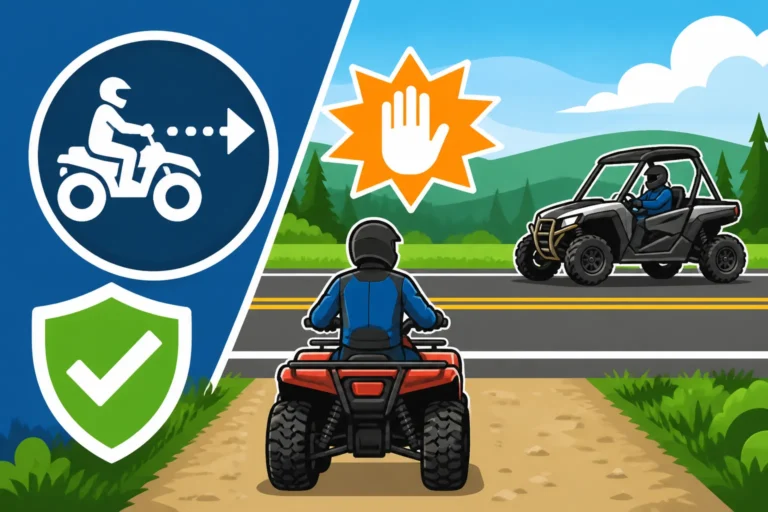
This is the absolute core of the trapper's helmet exception and it's vital to understand these two specific conditions. The law states that a licensed trapper is exempt from wearing a helmet only if they are operating their ATV or UTV at a speed not exceeding 30 km/h and making frequent stops. The "30 km/h" speed limit is a hard cap; going even a little faster technically puts you in violation of the general helmet rule. The "frequent stops" clause underscores the nature of trapping work – it's not about continuous high-speed travel, but rather moving slowly between trap locations, dismounting, checking traps, and then remounting to move a short distance to the next spot. This combination of low speed and intermittent movement is what distinguishes the trapper's operational needs from general recreational riding. For context on speed limits, you might find it helpful to look at [Quebec's 30 km/h Speed Limit for ATVs]. This specific combination of factors aims to balance safety with the practical demands of the profession.
The Rationale Behind This Unique Rule
You might wonder why such a specific exception exists when safety is so paramount. The rationale truly comes down to the unique operational realities faced by trappers. When you're constantly dismounting, perhaps in deep snow, thick bush, or uneven terrain, taking your helmet on and off repeatedly can be cumbersome, time-consuming, and even lead to accidental damage to the helmet or other gear. In freezing temperatures, visors can fog up or ice over, severely limiting vision, which is dangerous when navigating dense forest or scanning for tracks. Furthermore, the need for clear communication, either with a partner or simply to hear subtle sounds in the environment that indicate animal presence or danger, can be hampered by a helmet. By allowing trappers to ride at low speeds with frequent stops without a helmet, the law acknowledges these practical challenges, allowing them to perform their duties more effectively and efficiently, while still mitigating risk through the enforced low speed. It’s a pragmatic compromise that recognizes the difference between work and recreation.
Practicalities and Proof for Trappers
Understanding the legal framework is one thing, but putting it into practice on the trapline requires careful attention to detail. A trapper needs to be prepared to demonstrate their eligibility for the helmet exception at any given moment. This isn't just about avoiding a fine; it's about maintaining a professional approach to your work and ensuring you can carry it out without unnecessary interruptions or legal complications. Being stopped by a trail patrol or a Sûreté du Québec officer is always a possibility, and being ready with the correct documentation and adhering strictly to the conditions of the exception is paramount.
Essential Documentation to Carry
If you're operating your ATV or UTV under the trapper's helmet exception, you absolutely must carry specific documents with you at all times. The most critical piece of identification will be your valid Quebec trapping license. This is your official proof that you are a licensed professional entitled to this exemption. Beyond that, it's always wise to have your [Quebec's Off-Highway Vehicle Act and Your Papers] on hand. This includes your ATV or UTV registration documents, proof of mandatory liability insurance, and your driver's license. While the helmet exception relieves you of one specific requirement, it doesn't waive any other standard operational regulations for off-highway vehicles. A patrol officer will want to see all your valid papers, so having them neatly organized and accessible, perhaps in a waterproof bag, can save a lot of time and potential hassle. It demonstrates that you are a responsible and informed operator, taking your legal obligations seriously.
Balancing Safety and Practicality on the Trapline
Even with the helmet exception, safety remains paramount. While you might not be wearing a helmet during low-speed trap checks, it doesn't mean you should forgo all head protection. Many trappers opt for sturdy, insulated hats or caps that offer warmth and some measure of protection against bumps from low branches or light impacts. The key is to be realistic about the risks. If you anticipate faster travel between distant points, or if the terrain is particularly challenging, consider putting your helmet back on. It's about making smart, situation-specific choices. Furthermore, other protective gear remains crucial. Think about sturdy gloves, eye protection (even if not a full visor, clear safety glasses are a must), appropriate footwear, and durable outerwear that can withstand the rigors of the bush. For those longer hauls, or when moving through more open areas, you'll still want that helmet close by. Sometimes, even adding heavy-duty bumpers or brush guards, perhaps from a brand like SuperATV, can improve machine protection in dense bush, offering a layer of safety for both rider and vehicle. This proactive approach to safety can make all the difference, especially when you are far from assistance.
Avoiding Misinterpretation and Penalties
The trapper's helmet exception is quite narrow, and any misinterpretation can lead to serious consequences. Riding faster than 30 km/h without a helmet, or claiming the exception when you're clearly not engaged in trapping activities, will likely result in a fine. Patrol officers are trained to recognize when someone is genuinely working on a trapline versus simply trying to circumvent the helmet law. They understand the difference between a quad loaded with trapping gear, moving slowly and stopping frequently, and a rider blasting down a trail for fun. If caught in violation, you could face fines for not wearing a helmet, and potentially for other infractions if your documents aren't in order. It's vital to be transparent and honest about your activities. If you're just taking your quad to visit a friend down the trail, put your helmet on. The small inconvenience of putting on a helmet for a non-trapping ride is far less costly and stressful than dealing with a ticket and the associated legal process. Familiarize yourself with [What a Patrol Can Ask to See] and [Quebec Penalties for Riding Without a Trail Pass] to understand the broader context of enforcement.
Gear Beyond the Helmet: Enhancing Safety and Utility
For a trapper, an ATV or UTV is more than just a recreational vehicle; it's an essential workhorse, and the gear that accompanies it is just as critical as the machine itself. While the helmet exception addresses one specific piece of safety equipment, a trapper's overall setup for safety, utility, and preparedness goes far beyond head protection. From specialized clothing to robust machine accessories, every item plays a role in ensuring a productive and safe day on the trapline.
Essential Protective Gear for Trapping Missions
Even when you're allowed to ride without a helmet at 30 km/h, other protective gear is non-negotiable. Eye protection, such as sturdy safety glasses or goggles, is always recommended to shield against branches, dust, and insects. Heavy-duty gloves protect your hands from the elements, rough terrain, and sharp tools. Waterproof and insulated clothing is crucial for enduring Quebec's unpredictable weather, especially when you're spending hours outdoors, often stationary, in cold or wet conditions. Investing in high-quality boots with good ankle support is also paramount, as you'll be dismounting frequently and walking over uneven, potentially slippery ground. Think about layered clothing that allows you to adapt to changing temperatures throughout the day. A well-stocked first-aid kit, a survival kit, and navigation tools (GPS, map, compass) are also vital, given the remote nature of many traplines. Remember, the goal is to be self-sufficient and prepared for any eventuality, far from immediate help.
Utility and Customization for the Trapline
The effectiveness of a trapper's ATV or UTV often comes down to how well it's equipped for the job. Standard machines are a good starting point, but customization enhances functionality. Rack extenders, cargo boxes, and utility trailers are indispensable for hauling traps, supplies, animals, and even firewood. These accessories allow trappers to transport gear efficiently, reducing the number of trips and saving valuable time and energy. Upgraded suspension can improve ride comfort and handling over rough terrain, while winches are often essential for self-recovery or moving heavy loads. Durable skid plates, especially full underbody protection, are a smart investment, shielding vital components from rocks and stumps that are common hazards in the bush. For superior off-road performance and reliability, many trappers look to brands like SuperATV for aftermarket parts. Their heavy-duty components can withstand the abuse of daily work, ensuring the machine performs reliably when it's needed most. Whether it's robust axle upgrades or durable control arms, quality parts mean less downtime and more time on the trapline. Furthermore, ensuring your machine's lighting is adequate for early mornings or late evenings is critical, as conditions in the bush can become dark very quickly.
Disclaimer
This article is for general informational purposes only and does not constitute professional advice. Laws, prices and regulations vary by location and change over time. Consult a qualified professional for guidance on your specific situation.