Quebec Rules for Riding With a Dog
For many of us who love exploring Quebec's vast network of ATV and UTV trails, our canine companions are more than just pets—they're family. The idea of sharing those breathtaking views and exhilarating rides with our dogs is incredibly appealing, but it quickly raises questions: Is it even allowed? How do I keep them safe? What gear do I need? This guide is here to cut through the confusion and give you the realistic, empathetic advice you need to safely and responsibly bring your dog along for the ride, ensuring both of you enjoy the adventure without unnecessary risks or rule-breaking.
Understanding Quebec's Approach to Animals on Off-Highway Vehicles
When you first start researching how to ride with your dog in Quebec, you might find yourself hitting a wall. The truth is, the province's off-highway vehicle regulations, primarily governed by the Act respecting off-highway vehicles, don't explicitly mention dogs or other pets. This silence can be frustrating because it leaves a lot up to interpretation and common sense, which isn't always so common when you're out on a trail. However, just because a specific "dog rule" isn't written down doesn't mean there are no rules or guidelines that apply. Instead, we have to look at the broader principles of safe operation and responsible conduct.
What the Official Rules Say (and Don't Say)
The core of [What Quebec's Off-Highway Vehicle Act Changed for Owners] focuses on driver conduct, vehicle registration, insurance, helmet use, age restrictions, and where you can and cannot ride. It details things like mandatory liability insurance, driver's license requirements, and rules for crossing public roads. What it doesn't do is delineate whether Fido can sit in the passenger seat or ride in the cargo box. This omission is typical of many recreational vehicle laws; they can't possibly cover every single scenario or item you might carry.
So, while you won't find a line that says "dogs must wear goggles and be secured with a five-point harness," you will find clauses about operating your machine safely, not obstructing your view, and ensuring that any load you carry is properly secured and does not pose a danger to yourself or others. This is where your common sense, and our guidance, comes into play. If your dog is loose, distracting you, blocking your mirrors, or could be ejected from the vehicle in a sudden stop or turn, then you are almost certainly operating your machine in an unsafe manner, regardless of whether a specific "dog rule" exists. A trail patrol officer or a Sûreté du Québec officer wouldn't hesitate to ticket you for unsafe operation if your furry co-pilot became a clear and present danger.
Interpreting General Safety Guidelines for Your Canine Companion
Since there's no specific legislation for canine passengers, we have to lean on the general safety principles that govern all off-highway vehicle operation. The key takeaway here is this: your dog must not interfere with your ability to safely operate your ATV or UTV, nor should it pose a risk to itself or others. This means a dog should never be allowed to sit on your lap while you're driving, nor should it be loose in the cargo bed where it could easily jump out, fall out, or distract you.
Think about it from the perspective of a trail patrol officer. If they see a dog that looks distressed, unsecured, or is clearly distracting the driver, they could intervene. While there might not be a direct "no loose dog" fine, an officer could issue a ticket for general unsafe operation, lack of control of the vehicle, or even something related to [Quebec Penalties for Riding Unregistered] if they interpret the dog's presence as making your vehicle non-compliant with safe operating standards. The fines for such infractions can be significant, and nobody wants their fun day on the trail to end with a hefty ticket and a lecture on pet safety. It's about preventing hazards, maintaining full control of your machine, and ensuring your dog is not only safe but also comfortable enough not to become a distraction or a projectile.
Prioritizing Your Dog's Safety and Comfort on the Trail
The greatest challenge, and indeed your highest priority, when considering bringing your dog on an ATV or UTV adventure is ensuring their absolute safety and comfort. These machines are built for rugged terrain, not necessarily for pampered pets. The vibrations, engine noise, dust, sun, and potential for sudden movements can be overwhelming or dangerous for an unprepared animal.
Secure Transport Methods for ATVs and UTVs
The type of machine you own will largely dictate your options for safely transporting your dog.
ATVs: The Tricky Territory
Let's be blunt: ATVs, or quads as they're often called in Quebec, are not ideally suited for carrying dogs. They are designed for a single rider, or perhaps two if it's a two-up model with a designated passenger seat. Even on a two-up, that second seat is usually designed for a human, not a dog. A large dog simply won't fit safely, and even smaller dogs present significant challenges.
- Front or Rear Racks? This is generally a bad idea. Unless you have a very small, lightweight dog in a securely fastened, purpose-built carrier, using the front or rear racks is highly risky. The dog is exposed to the elements, vibrations, and the danger of being ejected in a bump or turn. Even with a carrier, the center of gravity of the ATV can be negatively affected, making the machine less stable. We’re talking about minimal room, maximum exposure, and a high risk of injury.
- Lap Riding? Absolutely not. This is incredibly dangerous for both you and your dog. It impairs your steering, braking, and ability to react quickly. In an accident, your dog would be severely injured or worse, and you would be unable to control the machine.
- Tiny Dogs in Specialized Bags? For very small dogs (toy breeds, tiny puppies), some riders have tried specialized dog carrier bags that securely fasten to the driver's chest or back, similar to a baby carrier. This is still a compromise, and requires extreme caution. The dog is exposed to exhaust fumes, vibrations, and impact risks. This should only be considered for very short, slow rides on perfectly smooth terrain, and even then, it's not ideal.
Given these limitations, if you only have a single-rider ATV, it's usually best to leave your dog at home.
UTVs (Side-by-Sides): The Dog-Friendly Option
This is where riding with your dog becomes much more feasible and safer. UTVs offer enclosed cabs, multiple seats, and cargo beds, providing far more options for secure and comfortable pet transport.
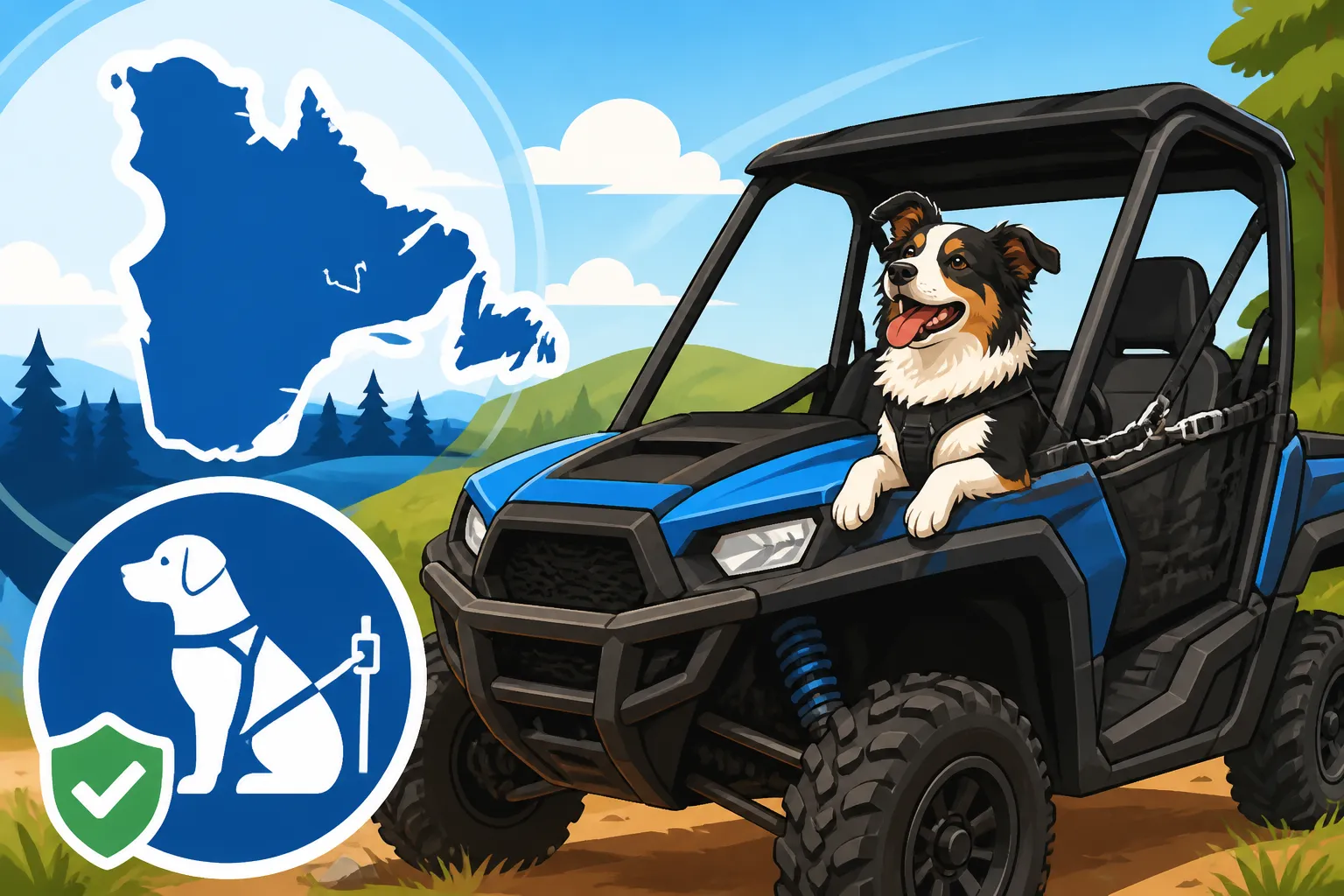
- In the Passenger Seat: If your UTV has a passenger seat, this can be an excellent option for medium to large dogs, provided they are properly restrained. You'll need a good quality dog harness designed for vehicle use, which can then be attached to the UTV's seatbelt system. Some manufacturers, like SuperATV, offer accessories that help create a secure and comfortable space for pets, even specialized seat covers that protect your upholstery while providing a non-slip surface for your dog. For smaller dogs, a booster seat designed for vehicles, again, securely strapped in with a harness, can give them a better view and sense of security. Remember [Quebec Rules for Passengers on a Quad] are primarily for humans, but the principle of needing to be properly seated and restrained applies to an animal occupying a passenger space.
- In the Cargo Bed with a Crate or Kennel: For many UTV owners, especially those with larger dogs or multiple dogs, the cargo bed is the preferred spot. This requires a sturdy, well-ventilated dog crate or kennel that is absolutely essential to secure to the cargo bed. Use heavy-duty ratchet straps or bungees to ensure the crate cannot shift, slide, or tip over, even on rough terrain. The goal is to make it an integral part of the vehicle. A loose crate with a dog inside is a recipe for disaster. SuperATV, for instance, offers cargo bed enclosures and storage solutions that can often be adapted to securely anchor a dog crate.
- Specialized Dog Boxes: Some aftermarket companies produce purpose-built dog boxes that fit into UTV cargo beds. These are often made of durable plastic or aluminum, offer ventilation, and are designed to integrate securely into the vehicle. They provide excellent protection from the elements and a high degree of safety.
No matter the method, the goal is to make sure your dog is unable to move freely around the vehicle, cannot distract you, and is protected from being thrown during sudden movements or impacts.
Mitigating Trail Hazards for Your Furry Co-Pilot
The trail environment presents unique challenges for dogs that go beyond just securing them in the vehicle. As responsible pet owners and riders, it's our job to anticipate and mitigate these risks.
- Heat Exhaustion and Dehydration: Dogs can overheat much faster than humans, especially when exposed to sun and exertion. Always carry plenty of water and a collapsible bowl. Make frequent stops in shaded areas for water breaks. Avoid riding during the hottest parts of the day, particularly in summer. If your UTV has a roof, it offers some shade, but ambient temperatures can still be dangerous.
- Dust, Debris, and Noise: Trails are dusty, and flying debris from tires or branches is common. This can be very irritating or damaging to a dog's eyes and ears. Consider doggles (dog goggles) to protect their eyes, especially if they're riding in an open area. For sensitive ears, dog ear protection (like Mutt Muffs) can help reduce the loud engine noise and wind buffeting, preventing stress and potential hearing damage.
- Sudden Stops, Turns, and Bumps: Even with a secure harness or crate, the forces exerted during aggressive riding, sudden stops, or unexpected bumps can be significant. This is why a secure restraint is non-negotiable. Drive more conservatively than you might normally, especially with your dog aboard. Avoid high speeds and sharp turns.
- Wildlife Encounters: Quebec's wilderness is home to various animals, from small critters to moose and bears. A dog's natural instinct might be to bark, chase, or react aggressively. This can be dangerous, potentially leading your dog into harm's way or provoking a defensive reaction from wildlife. Keep your dog securely contained to prevent it from bolting. Being aware of [Quebec Wildlife on the Trail] is good for all riders, but especially so when you have a curious dog with you.
- Terrain Challenges: Rough, rocky, or muddy terrain can be jarring for a dog, even if secured. Choose smoother, less challenging trails when riding with your pet. If the trail is too bumpy for your comfort, it's definitely too bumpy for your dog.
Remember that [Quebec Trail Etiquette Locals Expect] includes respecting the environment and other users. A barking dog or one that leaves a mess is certainly not in line with good trail manners.
Essential Gear and Preparations for Riding with Your Dog
Taking your dog on an off-highway adventure isn't something you can just decide to do spontaneously. It requires careful planning and the right equipment to ensure a positive experience for everyone involved. Think of it like packing for a camping trip – you wouldn’t go without your tent and sleeping bag, and you shouldn’t take your dog without their essential gear.
Must-Have Accessories for Safe and Enjoyable Rides
Investing in the right gear is paramount. This isn't just about comfort; it's about life-saving safety.
- Restraints: As we’ve covered, this is non-negotiable.
- Vehicle Harness: For dogs riding in a passenger seat, a crash-tested vehicle harness is essential. These are designed to distribute impact forces across a dog’s chest, protecting their neck and spine. Pair this with a seatbelt attachment that secures into your UTV’s existing seatbelt buckle.
- Crate/Kennel: If your dog is in the cargo bed, a durable plastic or metal crate is best. Ensure it’s large enough for your dog to stand up, turn around, and lie down comfortably, but not so large that they slide around inside. It must be well-ventilated.
- Tie-Downs: For crates in the cargo bed, use heavy-duty ratchet straps, not flimsy bungee cords, to secure the crate. Cross-strap the crate in at least two directions, if not all four, to prevent any movement. If you have a UTV, consider aftermarket cargo solutions from companies like SuperATV that provide secure anchor points or even dedicated dog enclosures for the bed.
- Protective Gear:
- Doggles (Dog Goggles): These protect your dog's eyes from dust, wind, branches, and UV rays. Get your dog accustomed to them at home before hitting the trail.
- Ear Protection: Mutt Muffs or similar products can help reduce engine noise and wind roar, which can be distressing or harmful to a dog's sensitive hearing, especially during longer rides.
- Hydration and Nutrition:
- Water: Carry ample fresh water. Consider a CamelBak or hydration pack for yourself and a dedicated water bottle for your dog.
- Collapsible Bowl: Essential for water breaks.
- Treats: High-value treats are great for positive reinforcement during acclimatization and as rewards during breaks.
- First Aid Kit (for dogs): Your human first aid kit won’t cover everything. Include items like paw balm, antiseptic wipes, dog-specific bandages, a pet-safe pain reliever (consult your vet first!), tweezers for thorns, and an emergency muzzle (in case of injury, even the sweetest dog might bite out of pain).
- Identification: Ensure your dog wears a collar with up-to-date ID tags (your name, phone number). A microchip is also crucial in case they get separated from you.
- Leash and Collar/Harness: Even if your dog is well-behaved off-leash, a leash is necessary for stops, breaks, and in areas where you might encounter other people or wildlife. A sturdy harness is better than a collar for leash walking as it reduces strain on their neck.
Acclimating Your Dog to the ATV/UTV Experience
Just like a new rider might take a safety course or practice in a field, your dog needs to be gradually introduced to the off-highway vehicle environment. Don't just throw them in and hit the trail – that's a recipe for a stressed, fearful dog, or worse, an accident.
- Start Slow and Stationary: Introduce your dog to the machine when it's off. Let them sniff around, get used to its presence. Reward calm behavior.
- Engine Noise: Once they're comfortable with the stationary machine, start the engine for short periods. Keep it brief, and provide treats and praise. Gradually increase the duration.
- Vibrations and Movement: Begin with short, slow rides around your property or a very quiet, smooth area. Keep the first few rides extremely short – just a few minutes – and focus on positive reinforcement.
- Protective Gear: Get them used to wearing their doggles and ear protection at home before you ever start the machine. Make it a positive experience with treats.
- Crate Training: If using a crate, ensure your dog is comfortable being crated at home first. This familiarity will reduce stress on the trail.
- Basic Commands: A dog with a solid grasp of "sit," "stay," "leave it," and "come" is a much safer trail companion. These commands can be crucial if you need them to remain calm in an unexpected situation. While not a direct link, the idea that humans need preparation and training, as outlined in topics like [Quebec FQCQ Training Certificates for Teens], applies to our furry friends needing conditioning too!
Pre-Ride Checklist for You and Your Dog
Before every ride, a quick checklist can prevent problems down the line.
- Dog's Physical Condition: Check paws for cuts or tenderness, ensure they are well-rested, and have had a chance to relieve themselves. Avoid feeding a large meal right before a ride to prevent motion sickness.
- Vehicle Check: Double-check all restraints for your dog – harnesses are secure, crates are strapped down tightly, no loose items that could shift or fall. Ensure there are no sharp edges or pinch points within their reach.
- Gear Check: Water, bowl, first aid kit, leash, and protective gear (doggles, ear protection) are all packed and accessible.
- Route Planning: Consider [Quebec Trail Conditions Before You Go]. Choose trails suitable for a more conservative pace, and look for routes with plenty of shade and potential water sources. Avoid overly challenging or dusty trails for your dog's first few outings. Plan for frequent breaks.
- Weather Check: Ensure the weather is suitable. Extreme heat or cold can be very dangerous for dogs.
Etiquette, Considerations, and Common Misconceptions
Bringing your dog on the trail isn't just about your safety; it's also about respecting other trail users, the environment, and knowing when it's just better to leave your dog at home.
Respecting Other Riders and Wildlife
When you bring your dog, you're not just a single rider; you're representing all dog-owning riders. Good trail manners are paramount.
- Leash Laws: Even on designated off-highway vehicle trails, if you stop at a rest area, a lookout, or a village that allows quads, your dog should be on a leash. This prevents them from approaching other people (who might be afraid of dogs), other dogs (which could lead to conflict), or running off into traffic. This aligns with general [Quebec Trail Etiquette Locals Expect].
- Clean Up After Your Dog: Always carry waste bags and pack out your dog's waste. Leaving it behind is unsanitary and disrespectful.
- Quiet and Calm: Not everyone loves dogs, and some people find constant barking annoying. Work on training your dog to be quiet and calm in various situations.
- Wildlife Interactions: This is critical. Your dog, if not properly secured, could chase or harass wildlife, which is both illegal and dangerous for the dog. Keeping them contained protects them from encounters with [Quebec Wildlife on the Trail] and prevents them from disturbing the natural ecosystem.
Are There Places Dogs Cannot Go on Trails?
While Quebec's off-highway vehicle act doesn't specifically ban dogs from trails, other rules and regulations might.
- Private Land: Many trails cross private land where landowners have granted permission for passage. This permission can be conditional. Always assume dogs might not be welcome unless explicitly stated. A landowner who sees an uncontrolled dog on their property could withdraw trail access.
- Parks and Reserves: Provincial parks, wildlife reserves, and other protected areas often have strict rules regarding pets, including where they can go, if they must be leashed, or if they are prohibited entirely. Always check the specific regulations for any area you plan to ride through. Even on [Quebec Crown Land Riding Rules], there can be specific restrictions depending on the sensitivity of the area.
- Club Rules: While federated trails generally don't prohibit dogs, individual clubs might have specific recommendations or even local bylaws. It's always a good idea to check with the local club for the area you plan to visit.
Generally, if you're riding on a federated trail network and your dog is secured and well-behaved, you should be fine. However, it's about being informed and prepared for exceptions.
When to Leave Your Dog at Home
Despite your best intentions, there will be times when bringing your dog along is simply not appropriate or safe. Knowing when to leave them home is a sign of a responsible pet owner.
- Extreme Weather: Very hot, humid days can quickly lead to heatstroke. Bitterly cold weather can cause hypothermia or frostbite, especially if your dog is exposed for long periods. If you're questioning whether you'll be comfortable in the weather, your dog likely won't be either.
- Long, Strenuous Rides: An all-day, high-speed ride covering hundreds of kilometers is often too much for a dog, especially if they're not used to it. The constant vibrations and noise, even if mitigated, can be exhausting.
- Dog's Disposition: If your dog is naturally anxious, prone to motion sickness, easily stressed by new environments or noises, or doesn't get along well with other animals or people, the trail is probably not the place for them. Force-feeding them an adventure they won't enjoy benefits no one.
- Riding Style: If you prefer aggressive, fast-paced, or highly technical riding, leave your dog at home. Their safety and comfort require a more sedate, cautious approach.
- Lack of Proper Gear: Never take your dog out without the proper restraints, hydration, and protective gear. It’s not worth the risk.
Ultimately, the decision to bring your dog rests on your judgment, their temperament, and your commitment to their safety.
Comparing ATV vs. UTV for Dog Transport
To help you visualize the differences and make an informed decision, here's a quick comparison of ATVs and UTVs when it comes to riding with your dog:
| Feature | ATV (Quad) | UTV (Side-by-Side) |
|---|---|---|
| Space | Very limited; typically single-rider or two-up. | Ample; passenger seats, dedicated cargo bed. |
| Enclosure | Fully open to elements. | Often semi-enclosed cab, provides more protection. |
| Restraint | Extremely challenging to safely restrain a dog. | Much easier with seatbelts, harnesses, secure crates. |
| Vibration/Noise | High direct exposure to engine noise and vibrations. | Cab offers some dampening, still present. |
| Distraction Risk | High, especially if dog is on lap or unsecured. | Lower if dog is properly restrained and accustomed. |
| Cargo Options | Minimal, small rear/front racks. | Large cargo bed, excellent for crates or dog boxes. |
| Dog Comfort | Generally low, high exposure to sun, dust, impact. | Higher, more secure, protected environment. |
| Driver Control | High risk of impairment if dog is unsecured. | Easier to maintain full control with secured dog. |
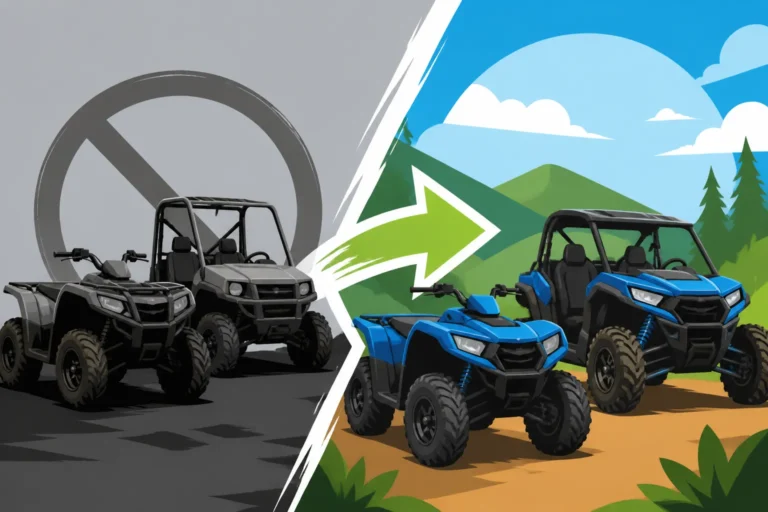
| Recommendation | Not recommended for most dogs, high safety risk. | Highly recommended for safe, comfortable transport. |
Remember that [Carrying a Driver's Licence on a Federated Trail] and having all your own essential papers is always mandatory, regardless of whether you have a furry friend with you. Being a responsible rider means being prepared for all aspects of the journey, for yourself and your dog.
Disclaimer
This article is for general informational purposes only and does not constitute professional advice. Laws, prices and regulations vary by location and change over time. Consult a qualified professional for guidance on your specific situation.