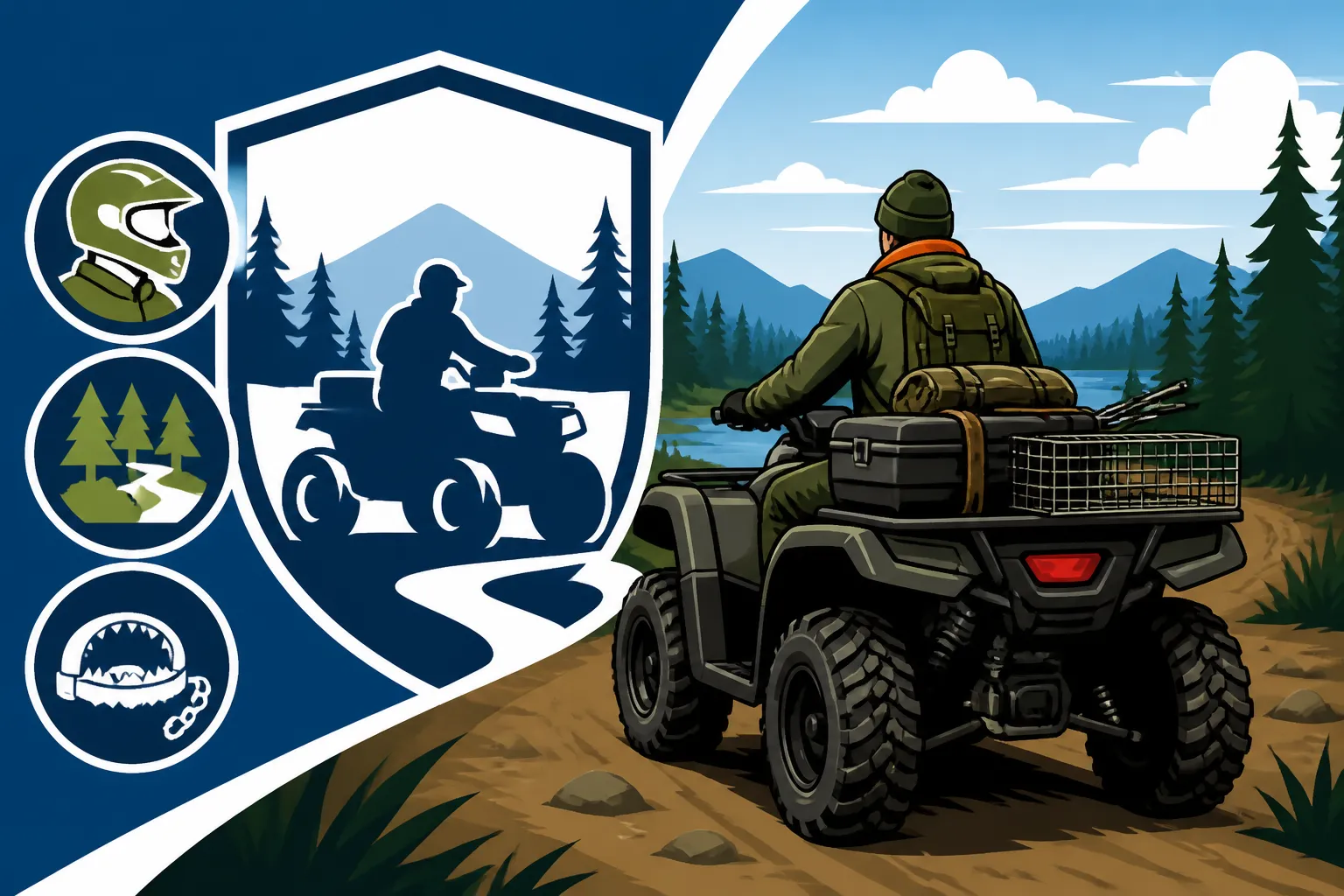
Quebec Rules for a Trapper on a Quad
Riding a quad or side-by-side as a trapper in Quebec isn't just about getting from point A to point B; it's about accessing your livelihood, often in remote, challenging terrain. However, the unique nature of trapline work means you can't just operate your machine like a recreational rider, and the rules around off-highway vehicles in Quebec can sometimes feel like a maze, leaving many trappers wondering if they're following all the necessary stipulations. This guide will walk you through the specific regulations and considerations for trappers using ATVs and UTVs in Quebec, helping you stay compliant and safe while on your trapline.
Understanding the Basics: Why a Trapper's Quad Isn't Just Any ATV
For many trappers, their quad or side-by-side isn't a toy; it's an indispensable tool, a workhorse that carries traps, bait, provisions, and hopefully, a successful harvest. This utilitarian role often means the machine is loaded differently, travels different kinds of paths, and is used under conditions that recreational riders rarely encounter. While the basic framework of Quebec's Off-Highway Vehicle Act applies to everyone, trappers often benefit from specific allowances and need to be acutely aware of certain details that might not be top-of-mind for a weekend warrior. It's not just about knowing how to ride; it's about knowing how to work within the legal landscape.
The General Rules Still Apply
Before diving into the specifics for trappers, it’s crucial to remember that the foundational rules for all off-highway vehicles in Quebec still apply. Your quad or side-by-side must be registered with the SAAQ, just like any other VHR (Véhicule Hors Route). This registration process ensures that your machine is documented and contributes to the system that maintains trails and provides liability insurance. Without proper registration, even if you’re heading out to check traps, you could face significant fines if stopped by a patrol. This also includes securing the necessary liability insurance, which is automatically included with your SAAQ registration up to the provincial minimum. [Quebec's SAAQ Is Registrar and Insurer] is a good resource to understand this dual role.
Furthermore, every rider operating an off-highway vehicle on a federated trail or approved public land in Quebec must possess a valid driver's license. For ATVs, the minimum age is 16, and for side-by-sides, it's 18. This isn't just a suggestion; it's a legal requirement that patrols rigorously enforce. Even if you're on a remote trapline, these fundamental requirements form the baseline of legal operation. The idea is that regardless of your purpose, the machine is still a vehicle capable of causing harm, and proper documentation and rider qualification are paramount for everyone's safety.
Specific Exemptions and Considerations for Trappers
Now, where do trappers get a bit of a break, or at least, where do their unique circumstances earn special consideration? The key lies in the recognition of their work as a legitimate, often essential, activity. One of the most significant considerations revolves around the use of off-highway vehicles for work purposes. While general rules restrict speed and require helmets at all times on trails, trappers operating strictly on a trapline may have some flexibility under specific conditions. It's not a blanket exemption, but rather a nuanced allowance that recognizes the practicalities of setting and checking traps, especially in dense bush or difficult terrain where speed is not the primary objective.
Another vital aspect for trappers involves access to Crown land and private property. While recreational riders might stick to federated trails or require explicit permission for private land, trappers often have established rights or permits for their trapline territories, which might encompass both. Understanding these land access agreements and how they intersect with off-highway vehicle regulations is critical. [Quebec Crown Land Riding Rules] and [Quebec Private Land Permission] can shed more light on these nuances. These specific use cases mean trappers need to be well-versed in the specifics of the law, not just the general outline.
Navigating the Trapline: Special Riding Rules for Trappers
The daily reality of working a trapline involves unique challenges that recreational riders seldom face. Picture navigating through thick brush, pulling out a heavy trap, or hauling a catch back to camp. These are not typical trail conditions, and Quebec's regulations acknowledge some of these differences, particularly concerning speed and protective gear. However, these allowances come with strict conditions that trappers must understand and adhere to to avoid penalties.
Speed Limits and Helmet Exceptions
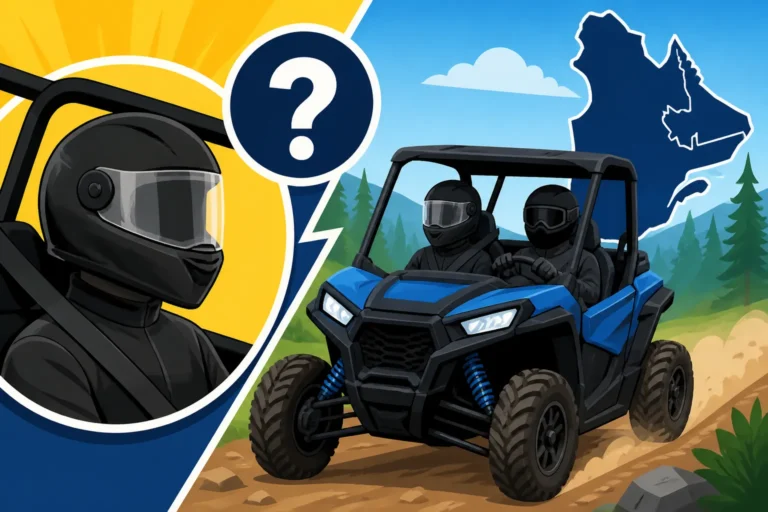
One of the most talked-about exemptions for trappers (and other workers) concerns helmet use and speed. Generally, all ATV and side-by-side riders in Quebec must wear an approved helmet with a visor or goggles at all times while operating their machine. However, the law provides a specific exception for individuals, including trappers, who are working on their trapline and operating their machine at a speed of 30 km/h or less. This particular allowance recognizes that constantly dismounting, adjusting traps, and frequently stopping makes consistent helmet use impractical for brief periods and low speeds. [Trapping Under 30 km/h Without a Helmet] details this rule.
It is absolutely crucial to understand the limitations of this exception. This is not an invitation to ride without a helmet at higher speeds or for general recreational use. The exemption is strictly for when you are actively engaged in the work of trapping, moving slowly, and likely stopping frequently. The moment you exceed 30 km/h, or if you're simply using the machine to travel to your trapline for recreational purposes, the helmet rule applies fully. Always be prepared to justify your activity if stopped by a patrol, as misinterpreting this rule can lead to hefty fines. The intent is to facilitate your work, not to bypass safety for convenience.
Carrying Firearms and Equipment
For many trappers, carrying a firearm is an integral part of their work, whether for dispatching animals or for personal protection in remote areas. Quebec's Off-Highway Vehicle Act has specific rules regarding the transport of firearms on ATVs and UTVs. Generally, firearms must be unloaded and securely cased, preventing easy access and ensuring safety during transit. This rule applies uniformly, regardless of whether you're a trapper or a hunter. The idea is to prevent accidental discharge and ensure responsible transport.
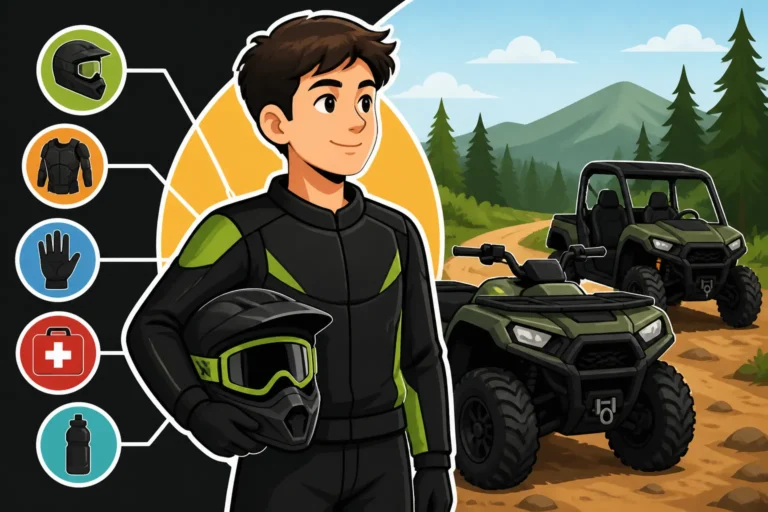
Beyond firearms, trappers carry a wide array of equipment: traps, snares, bait, tools, first-aid kits, and sometimes even camping gear for extended stays. Securing this equipment properly is not just good practice; it's a safety imperative. Loose gear can shift, fall off, or even interfere with the machine's operation, leading to accidents. Many trappers invest in robust cargo boxes, specialized racks, and tie-downs. Products designed for heavy-duty use, like those found at SuperATV, can offer the durability and secure attachment points needed for the challenging conditions of a trapline. The more securely your gear is stowed, the less likely you are to lose it or suffer an injury from it while bouncing along a remote path. [Quebec Rules for Carrying a Firearm] further outlines the legal requirements for weapon transport.
Accessing Remote Areas and Crown Land
Traplines often stretch across vast, remote areas, much of which may be Crown land or private property with specific access agreements. Navigating these territories legally requires a clear understanding of your rights and permissions. While federated trails have clear signage and regulations overseen by the FQCQ clubs, unmarked paths on Crown land or within your registered trapline territory operate under a different context. Generally, a trapper holding a valid trapping license and operating within their assigned territory has rights of access that other riders may not possess.
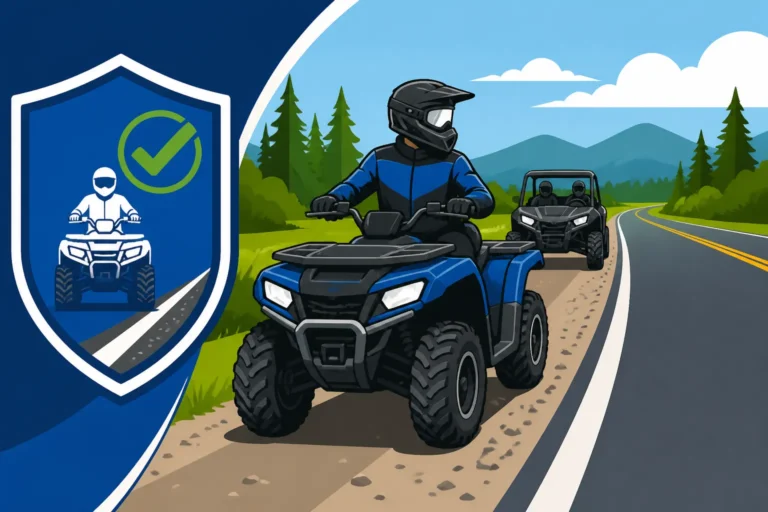
However, even with these rights, discretion and responsibility are key. [Quebec Machines Used Only on Private Land] outlines rules for situations where machines are only used off public trails, but for trappers, a blend of public and private access is common. You must ensure you have documented proof of your trapping license and territory boundaries if requested by a wildlife officer or SAAQ patrol. Some areas might have seasonal closures, fire bans, or other restrictions that apply even to trappers. Always stay informed about local conditions and regulations, especially during sensitive periods like spring thaw or dry summer months. For situations where you need to cross short stretches of public road to get to another section of your trapline, specific rules apply for road crossings, which generally require you to do so at a right angle and with sufficient sightlines.
Essential Paperwork and Equipment for Trappers
Being a trapper means you're operating a business in the wilderness, and like any business, documentation and proper tools are non-negotiable. While the allure of the trapline might make you want to grab your gear and go, skipping the necessary paperwork or neglecting your machine's setup can lead to significant headaches, from fines to unsafe operating conditions.
Required Documents on the Trail
Whenever you're operating your quad or side-by-side on a trapline in Quebec, you must carry specific documents with you. This isn't just a suggestion; it's a legal requirement that wildlife officers and SAAQ patrols can enforce. Think of it as your portable "proof of compliance" kit. The core documents include:
- Your valid driver's license: As mentioned, this is essential for operating any off-highway vehicle in Quebec.
- Proof of your ATV/UTV registration: This includes your SAAQ registration certificate.
- Proof of liability insurance: While the SAAQ registration includes a minimum, it's good practice to carry any additional private insurance documentation you might have. [Quebec Insurance Proof on the Machine] stresses the importance of having this readily available.
- Your valid trapping license: This is critical for proving your legitimate activity as a trapper, especially if questioned about helmet exemptions or access rights.
- Documentation related to your trapline territory: This could be maps, permits, or other official papers defining your assigned area.
It's highly recommended to keep these documents in a waterproof, durable pouch on your person or securely on your machine. While a phone photo might seem convenient, a physical copy is often preferred and might be required in areas with no cell service. Imagine trying to show a digital copy to an officer with a dead battery. [What a Trapper's Quad Needs on the Trapline] highlights these very items.
Here's a quick checklist for your documents:
| Document Type | Description | Essential for Trappers? |
|---|---|---|
| Driver's License | Valid license (Class 5 or equivalent for ATVs) | Yes |
| SAAQ Registration | Certificate of registration for your ATV/UTV | Yes |
| Insurance Proof | SAAQ liability proof and any additional private policy | Yes |
| Trapping License | Valid provincial trapping license | Yes |
| Trapline Territory Map/Permit | Documentation of your assigned trapline area | Highly Recommended |
Machine Modifications and Accessories
The demands of a trapline often mean a stock quad simply won't cut it. Trappers frequently modify their machines to enhance utility, durability, and safety in rugged environments. These modifications aren't just for comfort; they are often critical for efficient and safe work. For instance, heavy-duty racks, front and rear, are essential for carrying traps, bait, and harvested animals. Many trappers also install winches, not just for self-recovery but also for pulling logs, clearing trails, or assisting with heavy loads. A robust winch, perhaps a model from SuperATV, can be a lifesaver when you're working alone in a remote area.
Tires are another crucial consideration. The soft, muddy, or rocky terrain often found on traplines demands tires with aggressive treads and strong sidewalls to prevent punctures and provide maximum traction. Skid plates and A-arm guards are also vital additions, protecting the underside of your machine from hidden rocks and stumps that could otherwise cause costly damage. Enhancements like heated grips or thumb warmers might seem like luxuries, but they can significantly improve comfort and safety during long, cold days on the trapline, helping to prevent frostbite and maintain dexterity. When considering these upgrades, always ensure they are installed correctly and do not compromise the machine's factory safety features or stability. Practical, durable accessories are paramount for the demanding life of a trapper.
Disclaimer
This article is for general informational purposes only and does not constitute professional advice. Laws, prices and regulations vary by location and change over time. Consult a qualified professional for guidance on your specific situation.