Quebec Requires a Driver’s Licence Since 2021
It can be incredibly frustrating to feel like the rules for enjoying your favourite pastime are constantly shifting. Many quad and side-by-side enthusiasts in Quebec have found themselves scratching their heads over the evolving regulations, especially concerning driver's licence requirements. This comprehensive guide is here to untangle the complexities of Quebec's off-highway vehicle laws, specifically addressing how and why a driver's licence became a mandatory piece of equipment for riders since 2021, and what you need to know to stay on the right side of the law while enjoying the province's vast trail network.
The Evolution of Quebec's Off-Highway Vehicle Laws
The world of off-highway vehicles (OHVs) in Quebec has seen significant changes over the years, mirroring a broader societal shift towards enhanced safety and accountability. What once might have felt like a more casual activity, with fewer formal requirements, has progressively become more regulated. This evolution isn't arbitrary; it stems from a desire to reduce accidents, protect riders, and ensure the sustainability of the extensive trail network that makes Quebec such a paradise for ATV and UTV enthusiasts. The province has worked to strike a balance between allowing access to its natural beauty and ensuring everyone on the trails does so responsibly.
These changes haven't always been easy for riders to adapt to, especially for those who have been enjoying the trails for decades. It can feel like the ground is constantly moving, and keeping up with the latest legislation requires a bit of dedication. However, understanding the reasoning behind these updates often helps to see them not as hindrances, but as crucial steps towards a safer and more enjoyable future for all off-road adventurers. The goal is to create an environment where everyone can ride with confidence, knowing that a baseline of safety and awareness is being met by their fellow riders.
Why September 10, 2021, Was a Game Changer
For many in the Quebec ATV and UTV community, September 10, 2021, marked a pivotal moment. This date officially brought into effect key amendments to the Act respecting off-highway vehicles (LVHR), which significantly impacted how people can legally operate quads and side-by-sides. Before this date, the driver's licence requirement wasn't as strictly defined or universally applied for off-road use, leading to some ambiguity and varied practices across the province. The new rules were introduced to standardize requirements and ensure a minimum level of driving competence for everyone operating these powerful machines.
The provincial government, in collaboration with various stakeholders including trail federations and safety organizations, recognized a need to align off-highway vehicle operation with standards closer to those for road vehicles. The thinking was that operating an ATV or UTV, especially on a federated trail system, requires a similar understanding of rules, awareness of surroundings, and basic driving skills as operating a car or motorcycle. This change meant that simply having access to a machine was no longer enough; demonstrating a proven ability to operate a motor vehicle through a valid driver's licence became essential. This was a significant adjustment for some, particularly those who might have ridden for years without ever needing a formal licence for their off-road pursuits. If you're curious about the broader changes, you might find [What Quebec's Off-Highway Vehicle Act Changed for Owners] helpful.
The Core Principle: Safety First
At the heart of all these legislative changes lies one undeniable principle: rider safety. Off-highway vehicles, while incredibly fun and useful, are powerful machines that demand respect and competent handling. Accidents, unfortunately, are a reality, and their consequences can range from minor injuries to tragic fatalities. The updated laws, particularly the driver's licence mandate, are a direct response to statistics and ongoing efforts to mitigate these risks. By requiring a valid driver's licence, the province aims to ensure that every operator has demonstrated a fundamental understanding of vehicle control, road rules (even if applied to trails), and responsible driving behaviour.
This "safety first" approach extends beyond just the individual rider. It considers the safety of passengers, other trail users (including snowmobilers on shared trails), and even the general public in areas where ATVs might interact with conventional traffic, however briefly. Knowing that every driver on the trail has passed a provincial driving test provides a baseline of confidence for everyone involved. It reinforces the idea that off-roading is not just a recreational activity but one that carries responsibilities. This focus also supports the efforts of trail clubs and federations, who invest countless hours into maintaining safe and accessible networks for all.
Understanding the Driver's Licence Requirement for ATVs
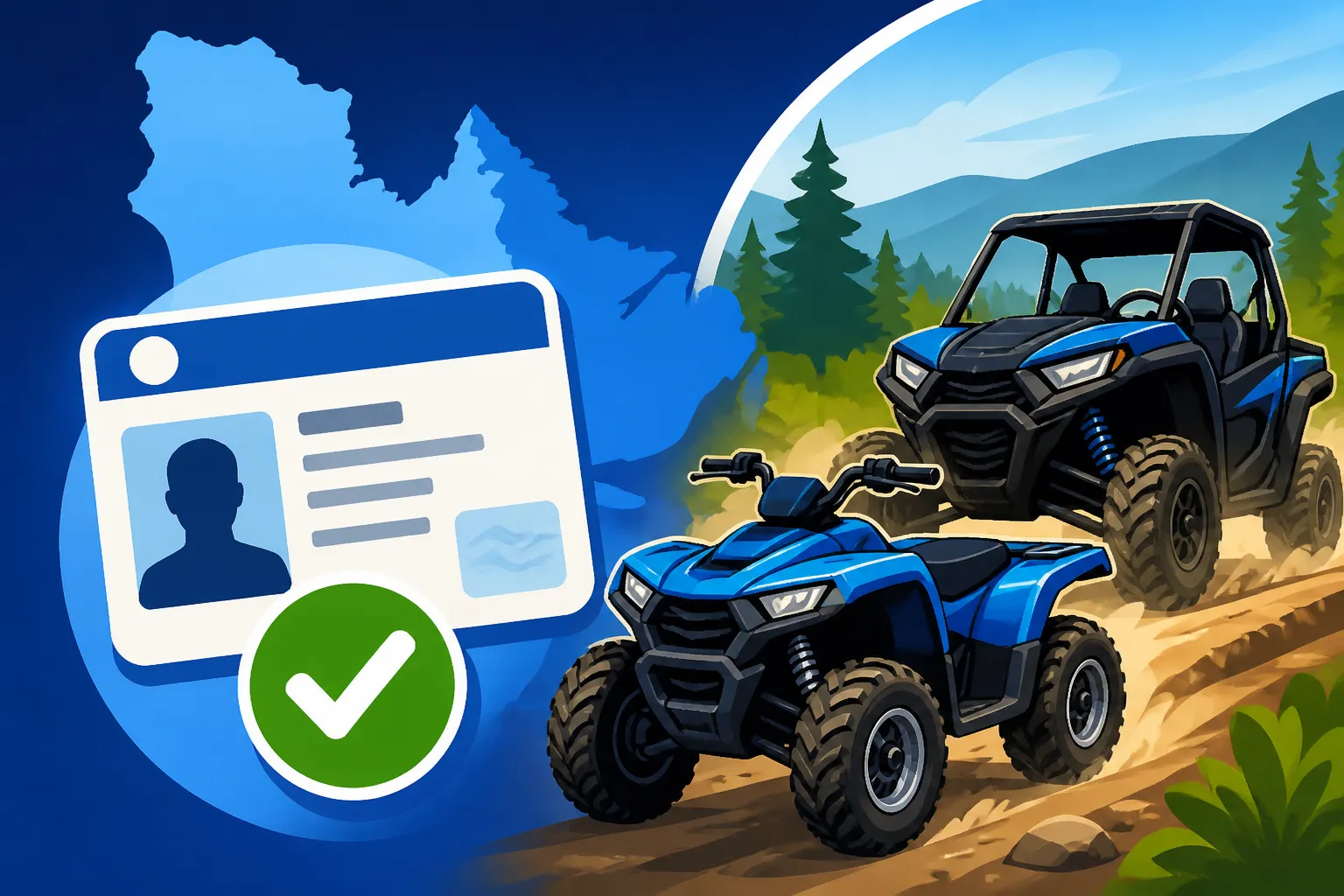
The introduction of the driver's licence requirement for ATV and UTV operators in Quebec has been a significant point of discussion and adjustment for the off-roading community. It means that the days of just hopping on a quad with no formal driving credential are, for the most part, behind us. The law is quite clear: to operate an off-highway vehicle on any land or trail where the LVHR applies, you need to possess a valid driver's licence. This applies to residents and visitors alike, creating a uniform standard across the province's vast network of trails and access points.
It's important not to confuse this with needing a special off-road licence. The requirement is for a standard class of driver's licence that permits you to operate a motor vehicle on public roads. This means your regular car licence (Class 5 in Quebec) is generally sufficient. The logic here is that the skills and knowledge required to safely operate a car are transferable to the controlled environment of an off-road trail, especially given the machine's power and potential speeds. This standardization simplifies enforcement and ensures that a basic level of driving competence has been assessed by the SAAQ. For more details on this, check out [Do You Need a Licence for an ATV in Quebec?].
Who Needs a Licence to Ride?
Simply put, almost anyone operating an off-highway vehicle (ATV or side-by-side) in Quebec, outside of very specific, limited circumstances, needs to hold a valid driver's licence. This applies to:
- Adult Riders: If you're 18 or older and plan to ride a quad or side-by-side on a federated trail, a public road (where authorized), or any land where the LVHR governs, you absolutely need a valid driver's licence. This is the most common scenario and covers the vast majority of riders.
- Teenage Riders (16 and 17 years old): Riders in this age bracket also need a valid driver's licence. However, there's an additional layer of requirement here: they must also hold a valid ATV safety certificate issued by a recognized organization like the FQCQ (Fédération québécoise des clubs quads). This dual requirement ensures that younger drivers not only possess general driving skills but also specific knowledge related to ATV operation and safety. For specifics, see [Quebec Rules for a 16-Year-Old Rider].
- Visitors from Outside Quebec: If you're visiting Quebec from another province or country and want to ride your off-highway vehicle (or a rental), you must also have a valid driver's licence from your home jurisdiction. This licence must be recognized as valid for operating a motor vehicle. This ensures a consistent safety standard regardless of where a rider originates from.
The key takeaway is that the days of assuming you could ride "off-road" without a formal licence are gone for most situations. Even if you're a seasoned rider with years of experience, if you don't possess a valid driver's licence, you're not legally permitted to operate an ATV or UTV on Quebec's designated trails or public lands.
Acceptable Licence Types in Quebec
When it comes to the type of driver's licence required, Quebec keeps it relatively straightforward for residents. The most common and accepted licence is a Class 5 driver's licence, which is your standard passenger vehicle licence. If you have a motorcycle licence (Class 6), that is also typically accepted as it demonstrates an even greater level of competence in operating a two-wheeled motor vehicle, which shares some parallels with off-road machines in terms of balance and dynamic handling. The SAAQ, which is the provincial body responsible for driver's licences and vehicle registration, considers these classes sufficient proof of your ability to operate a motor vehicle safely.
For visitors from outside Quebec, the rules are equally pragmatic. Your valid driver's licence from your home province, territory, or country is generally accepted, as long as it permits you to operate a car or motorcycle. There's no need for an international driving permit specifically for ATV use if your home licence is in English or French and clearly indicates your driving privileges. However, it's always wise to carry your official licence, not just a photocopy or a digital image, as trail patrols will need to verify its authenticity. This reciprocity ensures that responsible riders from other jurisdictions can enjoy Quebec's trails without undue bureaucratic hurdles, provided they meet the fundamental competency standard.
Specific Age Rules and Training for Quebec Riders
Beyond just needing a driver's licence, Quebec has implemented specific age rules and, for younger riders, mandatory training requirements that are crucial to understand. These rules are designed to gradually introduce riders to the sport, ensuring they have the necessary maturity and specific skills for handling these machines. It's not just about knowing how to drive; it's about understanding the unique challenges and responsibilities that come with off-highway vehicle operation. This tiered approach is a testament to the "safety first" principle mentioned earlier, aiming to minimize risks, especially for those who are still developing their judgment and motor skills.
These regulations are particularly important for families or groups that include younger enthusiasts. Parents and guardians must be fully aware of what their children can and cannot do on the trails, and what certifications are needed before they ever put a wheel on a federated path. Ignoring these rules isn't just a matter of potential fines; it's a matter of safety for the rider and those around them. The FQCQ, as the main federation, plays a significant role in providing this crucial training, making it accessible across the province.
Minimum Age Requirements for ATVs and Side-by-Sides
Quebec draws a clear distinction between ATVs (often called VTTs, or "véhicules tout-terrain" in French) and side-by-sides (often called VHRs, or "véhicules hors route" in Quebec terminology) when it comes to minimum age requirements for drivers. This is due to the differing characteristics of these machines, particularly their size, weight, and stability, which can influence their handling and potential for injury.
- For ATVs (VTTs): The minimum age to operate an ATV on a federated trail or land governed by the LVHR is 16 years old. However, as mentioned earlier, a 16 or 17-year-old rider must not only possess a valid driver's licence but also have a valid ATV safety certificate issued by the FQCQ. There are very limited exceptions for younger riders on private land with parental authorization and supervision, but these machines are strictly prohibited on federated trails for anyone under 16. [Quebec ATV Age Requirements] further explains these nuances.
- For Side-by-Sides (VHRs): Due to their often larger size, increased weight, and passenger carrying capabilities, side-by-sides have a higher minimum age requirement. To drive a side-by-side in Quebec on trails or regulated land, you must be at least 18 years old. There are no exceptions for 16 or 17-year-olds, even with a safety certificate; the 18-year-old minimum is absolute for these machines. This reflects the province's view that UTVs require a higher level of maturity and experience to operate safely, especially with passengers on board. For clarity on side-by-side rules, see [Quebec Requires 18 for a Side-by-Side].
It's paramount for anyone planning a ride to verify the age of all operators and the type of machine they intend to use. Misinterpreting these age rules can lead to significant fines and even machine impoundment if a minor is caught operating an OHV illegally.
The Role of the FQCQ Training Certificate
For young riders aged 16 and 17, the FQCQ (Fédération québécoise des clubs quads) training certificate isn't just a suggestion; it's a mandatory component of their legal right to ride. This certificate is specific to off-highway vehicle operation and goes beyond what's covered in a standard driver's education course. It's designed to teach young riders the unique skills and safety considerations essential for navigating Quebec's diverse trail systems.
The training typically covers critical areas such as:
- Machine Familiarization: Understanding the controls, features, and capabilities of an ATV or UTV.
- Safe Operating Procedures: Proper starting, stopping, turning, and maneuvering techniques.
- Trail Etiquette: How to interact with other riders, yield, and respect private property.
- Environmental Awareness: Minimizing impact on trails and wildlife.
- Emergency Preparedness: What to do in case of an accident or breakdown.
These courses are usually hands-on, providing practical experience under the guidance of certified instructors. Obtaining this certificate is a significant step towards ensuring that younger riders develop responsible habits from the outset, contributing to a safer environment for everyone on the trails. Without it, a 16 or 17-year-old, even with a valid driver's licence, is not legally permitted to ride on federated trails. Finding information on [Quebec FQCQ Training Certificates for Teens] can help parents and young riders get started.
What to Carry on the Trail: Proof of Licensure and More
Hitting the trails in Quebec is an exhilarating experience, but it's not just about having a well-maintained machine and the right gear. It's equally vital to have all your necessary paperwork in order and on your person. Just like driving a car, operating an off-highway vehicle on regulated trails means you're subject to checks by authorities, including provincial police (Sûreté du Québec) and authorized trail patrols from the FQCQ clubs. Being caught without the correct documentation can quickly turn a fun day into a costly and frustrating ordeal. Think of your documents as part of your essential safety gear, as important as your helmet.
The rules around what to carry are designed to ensure accountability and quick verification in case of an incident or a routine check. It's not just about proving you're allowed to ride; it's about confirming your machine is properly registered and insured. Many riders use robust, waterproof document holders that can be stored securely on their machine, or even a smaller, easily accessible pouch they carry on their person. This way, you're always prepared, no matter where your adventure takes you. Always make sure documents are protected from the elements, as a soggy, illegible licence or registration can cause delays during a check.
Presenting Your Licence to a Trail Patrol
It's a common scenario: you're enjoying a beautiful stretch of trail, perhaps admiring some scenery, when you see a trail patrol officer or a Sûreté du Québec vehicle ahead. They signal for you to stop. This is a normal part of ensuring compliance and safety on Quebec's trails. When stopped, the first thing they will typically ask for is your driver's licence, along with your ATV registration and trail pass. It's important to be polite, cooperative, and have your documents readily accessible.
When presenting your licence, hand over your physical, valid driver's licence. While digital copies on a phone might be convenient for some uses, they are not universally accepted as official proof during a trail stop. An officer needs to see the original document to verify its authenticity, check for any restrictions, and confirm your identity. A professional and compliant attitude will ensure the interaction is swift and positive, allowing you to get back to your ride without unnecessary delays. If you're wondering what other documents are needed, [Carrying Papers on a Long Ride] provides a good checklist.
Beyond the Licence: Other Essential Documents
While your driver's licence is critical, it's just one piece of the puzzle. To legally ride your ATV or side-by-side on Quebec's federated trails and regulated public lands, you must also carry proof of:
- Vehicle Registration (VHR Plate): Every off-highway vehicle operating in Quebec must be registered with the SAAQ and display a valid VHR plate. This registration confirms ownership and ensures the machine meets provincial standards. You'll need to carry the registration certificate with you. Missing this can lead to fines and potentially having your machine towed. [Quebec ATV Registration With the SAAQ] is an important read for owners.
- Liability Insurance: Quebec law mandates that all OHVs carry a minimum amount of civil liability insurance. This protects you in case you cause damage to property or injury to another person. The SAAQ provides basic liability coverage with your registration, but you should also carry proof of any additional private insurance you may have. The province's minimum liability coverage is substantial. For specifics, see [Quebec's Liability Insurance Rule].
- FQCQ Trail Pass: If you're riding on any of the 25,000+ kilometres of federated trails maintained by the FQCQ clubs, you absolutely need a valid trail pass. This pass is your contribution to the maintenance and development of the trail network. The physical sticker should be affixed to your machine in a visible location, and you should also carry the proof of purchase. [Quebec's Annual FQCQ Trail Pass] explains how to obtain one.
- FQCQ Training Certificate (for 16 and 17-year-olds): As discussed, if you are in this age group, your training certificate is as crucial as your driver's licence.
Here's a quick summary table of what to carry:
| Document Type | Required For | What It Proves/Allows | Where to Get It |
|---|---|---|---|
| Driver's Licence | All Riders | Competence to operate a motor vehicle | SAAQ (or home jurisdiction) |
| VHR Registration | All Machines | Legal ownership and compliance with SAAQ rules | SAAQ |
| Liability Insurance | All Machines | Financial responsibility for potential damages | SAAQ (basic) & Private Insurer (additional) |
| FQCQ Trail Pass | All Riders (on trails) | Access to federated trail network, contribution to maintenance | FQCQ online |
| FQCQ Training Certificate | Riders 16-17 | Specific ATV safety knowledge and skills | FQCQ Certified Trainers |
Ensuring you have all these documents ready will make any encounter with a patrol officer smooth and stress-free. Without them, you risk fines, inconvenience, and the premature end of your ride.
Penalties for Riding Without a Valid Licence
The implementation of the mandatory driver's licence requirement for ATV and UTV operation in Quebec wasn't just a suggestion; it came with teeth. The authorities are serious about enforcing these regulations to enhance safety and compliance on the trails. Consequently, riding without a valid driver's licence is not a minor oversight; it's a serious infraction that carries significant penalties. These penalties are designed to deter non-compliance and underscore the importance of holding the proper credentials before taking to the trails.
Many riders, especially those returning to the sport after a long break or newcomers, might be unaware of the strictness of these rules. They might assume that because they're "off-road," the same rules as public roads don't apply. This is a dangerous misconception. Quebec's LVHR extends its reach to federated trails and many other public and private lands where off-highway vehicles are operated, meaning provincial regulations are very much in force. Understanding the potential repercussions is key to avoiding costly mistakes and ensuring your off-road adventures remain enjoyable and legal.
The Financial Consequences
The most immediate and common consequence of being caught riding an ATV or side-by-side without a valid driver's licence in Quebec is a hefty fine. These fines are not trivial; they are designed to be a significant deterrent. While specific amounts can vary and are subject to change, expect penalties that can easily run into the hundreds of dollars, sometimes even more depending on additional circumstances or repeat offences. These figures do not include potential administrative fees or other associated costs.
For example, a ticket for operating an OHV without the required driver's licence can quickly add up, leaving a significant dent in your wallet. The intention behind these steep fines is to emphasize that the licence requirement is a non-negotiable aspect of safe and legal off-road operation. It's a clear message from the SAAQ and law enforcement that personal responsibility for one's qualifications is paramount. This financial sting serves as a strong reminder to always confirm you and anyone riding with you are properly licensed before embarking on any trip.
Other Repercussions of Non-Compliance
Beyond the immediate financial penalty, riding without a valid driver's licence can lead to several other serious repercussions that can complicate your situation and disrupt your riding plans:
- Machine Impoundment: In many cases, if an operator is found without a valid driver's licence, law enforcement has the authority to impound the off-highway vehicle. This means your quad or side-by-side could be seized and towed away, incurring additional towing and storage fees that you would be responsible for. Retrieving an impounded machine can be a lengthy and expensive process, often requiring proof of valid licensure before release. This particular consequence is a major deterrent, as it not only costs money but also effectively ends your ride and potentially your trip.
- Refusal of Entry to Trails/Removal: Trail patrols, acting on behalf of the FQCQ clubs, have the right to refuse entry to trails or ask you to leave if you cannot produce a valid driver's licence (along with other required documents). This isn't just about getting a ticket; it's about losing access to the very network you came to enjoy. Clubs work hard to maintain these trails, and they enforce regulations to protect their assets and ensure a safe environment for all members.
- Insurance Implications: If you are involved in an accident while operating an OHV without a valid driver's licence, your insurance coverage could be jeopardized. Most insurance policies have clauses that void coverage if the vehicle is being operated illegally. This could leave you personally liable for damages to your machine, other vehicles, property, or injuries to yourself or others, which could amount to tens of thousands of dollars or more. The basic liability provided by the SAAQ might also be affected if you are not in compliance with all the conditions of operation. This is a risk no rider should take. [Quebec Insurance Minimum for an Owner] explains the importance of this coverage.
These additional consequences highlight that riding unlicensed is not just a minor infraction; it's a gamble with significant potential losses, both financially and in terms of your ability to enjoy the sport. Always ensure you are fully compliant to avoid these unwelcome surprises. For durable accessories that can help you secure your documents and gear, consider products from reputable brands like SuperATV, which offer storage solutions designed for rugged use.
Exemptions and Special Cases to Consider
While the rule requiring a driver's licence for ATV and UTV operation in Quebec is broadly applied, there are a few specific situations where the requirements might differ or exemptions could apply. It's crucial to understand these nuances, as misinterpreting an exemption could still lead to fines and other penalties. These special cases are typically narrow in scope and often come with their own set of conditions, so it's not a free pass for everyone. The intent of these exemptions is generally to facilitate essential work or to accommodate very specific, controlled recreational activities that do not pose the same risks as general trail riding.
It's always recommended to verify the most current regulations with the SAAQ or the FQCQ if you believe your situation falls into an exempt category. Relying on outdated information or hearsay can lead to significant problems. Knowing these exceptions, however, can provide clarity for those who operate their machines in specific contexts, such as on private land or for commercial purposes.
Riding on Private Land and Family Properties
One of the most frequently asked questions revolves around riding on private land. "Do I still need a driver's licence if I'm just riding on my own property or my family's private land?" The answer can be a bit nuanced but generally leans towards continued compliance, with some specific allowances.
- General Rule: If your private land is not connected to a federated trail and you are not accessing any public roads or regulated areas, the strict driver's licence requirement of the LVHR may not apply in the same way as it does on public or federated trails. This is because the Act primarily governs the use of off-highway vehicles in public spaces or on land accessible to the public, including federated trails that often cross private land with landowner permission.
- Parental Authorization: For riders under 16, Quebec law allows for riding on private land only, provided there is written parental authorization and direct adult supervision. Even in this scenario, the machine must be appropriate for the rider's age and size. However, this is distinct from the driver's licence requirement for 16-year-olds and older on trails.
- Connecting Properties: A critical point to remember is that if your private land provides access to a federated trail, or if you need to cross any public land or municipal roads (even for a short distance) to get to your private riding area, then the full requirements, including a valid driver's licence, will apply for those segments of your journey. Many private properties are not entirely isolated, making this distinction vital. For more context, see [Quebec Machines Used Only on Private Land].
- Safety Still Paramount: Even if the driver's licence requirement is technically relaxed on fully private, isolated land, the principle of safe operation remains. Encouraging proper training and adherence to safety guidelines, regardless of legal mandate, is always the best practice.
It's a delicate balance, and riders should exercise caution and good judgment. When in doubt, assume the rules apply, especially if there's any chance of intersecting with public access points or regulated trails.
Commercial and Agricultural Use
Another area where some specific allowances or different requirements might exist is for individuals using ATVs or UTVs for commercial or agricultural purposes. These machines are often integral tools for farmers, trappers, forestry workers, or outfitters, and their use is directly tied to a professional activity rather than purely recreational riding.
- Farm Machines: Farmers often use ATVs and side-by-sides as workhorses on their private agricultural land. While operating strictly within the confines of their farm property for agricultural tasks, the specific licence requirements for public trail use might be interpreted differently. However, if a farmer needs to cross a public road or use a municipal right-of-way to move between fields, or if they operate on designated trails, then the driver's licence, registration, and insurance rules would typically apply. [Quebec Registration for a Farm Machine] provides more details.
- Trapper's Machines: Trappers may use ATVs to access traplines in remote areas. Depending on the specific land designations (e.g., Crown land, ZECs) and whether they are using designated trails or established access roads, the full LVHR requirements, including a driver's licence, often apply. There are sometimes specific exemptions for helmet use at very low speeds while actively trapping, but this generally does not extend to the driver's licence. [What a Trapper's Quad Needs on the Trapline] elaborates on this.
- Forestry and Other Commercial Use: Similarly, individuals using OHVs for forestry operations, guiding services, or other commercial activities on public or leased lands are generally expected to comply with all LVHR regulations, including holding a valid driver's licence. These are professional operations, and accountability is expected.
The core principle here is that if the machine is operating on any land that is accessible to the public, or if its operation impacts public safety or the environment in a broader sense, then the full suite of regulations, including the driver's licence, will almost certainly be enforced. The "work vehicle" designation doesn't automatically grant a blanket exemption from fundamental safety requirements. These machines, often enhanced with utility accessories from companies like SuperATV, are still powerful and require competent operation.
Preparing for Your First Ride Under the New Rules
So, you've absorbed all the information about the driver's licence requirement and other critical rules for ATV and UTV riding in Quebec. Now comes the exciting part: putting it all into practice and preparing for your first legal and safe ride under these updated regulations. Whether you're a seasoned rider adjusting to new mandates or a complete newcomer eager to explore Quebec's beautiful trails, preparation is key to a smooth, enjoyable, and compliant experience. It's about more than just remembering the rules; it's about making them a natural part of your routine.
Getting ready involves a few practical steps, from ensuring your personal credentials are in order to double-checking your machine and packing the right gear. Think of it as a pre-flight checklist for your off-road adventure. Taking the time to properly prepare will not only keep you on the right side of the law but will also enhance your safety and confidence on the trails, allowing you to fully immerse yourself in the natural beauty and thrill of the ride.
Getting Your Licence and Training in Order
For many, the first step will be to ensure they actually possess the required driver's licence.
-
Obtain or Verify Your Driver's Licence:
- For Adults (18+), Residents: If you don't already have a valid Class 5 (car) or Class 6 (motorcycle) licence, you'll need to go through the standard SAAQ licensing process. This involves written tests, practical driving tests, and adherence to Quebec's graduated licensing system if you're a new driver. If you already have one, ensure it's valid and not expired.
- For Teenagers (16-17), Residents: These riders must also obtain a valid Class 5 or 6 licence. This means completing the required driver's education and passing the SAAQ tests.
- For Visitors: Ensure your licence from your home jurisdiction is valid and allows you to operate a motor vehicle. If it's not in English or French, an official translation or an International Driving Permit might be advisable, though often not strictly mandatory for short visits in practice, it removes any ambiguity.
-
Complete Mandatory FQCQ Training (for 16-17 year olds):
- If you're in this age bracket, contact the FQCQ (Fédération québécoise des clubs quads) or one of their accredited training centres to enroll in and complete the required ATV safety course. This course is specifically designed for off-highway vehicles and is essential for legal operation. You can find more details on [Quebec Training Certificate Requirements]. Don't assume your car driving lessons cover this specific off-road training; they do not.
This foundational step is non-negotiable. Without the proper licence and, for younger riders, the safety certificate, you simply cannot legally operate an off-highway vehicle on Quebec's federated trails or other regulated areas. It’s an investment in safety and compliance that pays dividends in peace of mind.
Pre-Ride Checklist for Peace of Mind
Once your personal credentials are sorted, it’s time to focus on your machine and your gear. A thorough pre-ride checklist is essential for a safe and trouble-free outing.
-
Machine Check:
- Tires: Check pressure and tread condition. Ensure they are suitable for Quebec clay or rocky trails.
- Fluids: Verify oil, coolant, and brake fluid levels.
- Brakes: Test front and rear brakes for responsiveness.
- Lights: Ensure headlights, taillights, and brake lights are all working.
- Steering: Check for any excessive play or stiffness.
- Throttle: Make sure it operates smoothly and returns to idle properly.
- Accessories: If you have aftermarket parts from SuperATV or other brands, ensure they are securely mounted and functioning correctly.
- Fuel: Top up your tank. Consider carrying extra fuel for longer rides, especially if you're hitting remote circuits.
-
Documents & Identification:
- Driver's Licence: Always carry the original, valid physical card.
- VHR Registration Certificate: Your machine's paper registration.
- Proof of Insurance: Carry the certificate for your liability coverage.
- FQCQ Trail Pass: Ensure the sticker is on your machine and you have proof of purchase.
- FQCQ Training Certificate: If applicable (16-17 year olds).
- Health Insurance Card: Your provincial health card (e.g., RAMQ) or other medical insurance information.
- Emergency Contact Information: Clearly listed somewhere accessible.
-
Safety Gear:
- Helmet: A DOT or ECE approved helmet, in good condition, that fits properly. [Quebec ATV Helmet Rules] are quite clear on this.
- Goggles/Visor: Essential for eye protection.
- Gloves: For grip and protection.
- Sturdy Footwear: Boots that protect your ankles and feet.
- Long Pants and Long-Sleeved Shirt/Jacket: To protect against scrapes, sun, and brush.
-
Emergency Kit:
- First-Aid Kit: Small but well-stocked.
- Tools: Basic tools for trailside repairs (e.g., wrench, spark plug, tire repair kit).
- Communication Device: Fully charged cell phone (though coverage can be spotty in remote areas). A satellite messenger or two-way radio for deeper wilderness excursions.
- Navigation: GPS device or a map (digital and/or paper) of your intended route. Apps like iQuad are helpful.
- Water and Snacks: Stay hydrated and energized.
- Warm Layers/Rain Gear: Weather can change quickly.
By meticulously going through this checklist, you’ll be well-prepared for a safe, legal, and truly enjoyable ATV or UTV experience on Quebec's magnificent trails. This diligent preparation is what defines a responsible off-road enthusiast.
Disclaimer
This article is for general informational purposes only and does not constitute professional advice. Laws, prices and regulations vary by location and change over time. Consult a qualified professional for guidance on your specific situation.