What the SAAQ Actually Does for Quad Owners
When you own an ATV or side-by-side in Quebec, navigating the administrative waters can sometimes feel like trying to cross a bog without proper gear. Many off-road enthusiasts know they need to register their machine with the Société de l'assurance automobile du Québec, or SAAQ, but the full scope of what this provincial body actually does for quad owners can be a bit murky. This guide aims to clear up that mud, detailing the essential roles the SAAQ plays in keeping you legally on the trails and roads, and ensuring you're protected.
The SAAQ's Core Role in Quad Registration and Titling
The SAAQ is far more than just a place to pay a fee and get a plate; it's the central authority for registering and tracking every off-highway vehicle (OHV) in Quebec. Think of them as the gatekeepers to legal quad ownership and operation in the province. Without their stamp of approval, your machine is essentially invisible to the law, opening you up to some pretty hefty fines if you're caught riding on designated trails or public lands. They manage everything from your initial entry into the system to changes in ownership, making sure there's a clear, traceable record for every VHR (véhicule hors route).
Initial Registration for New and Used Quads
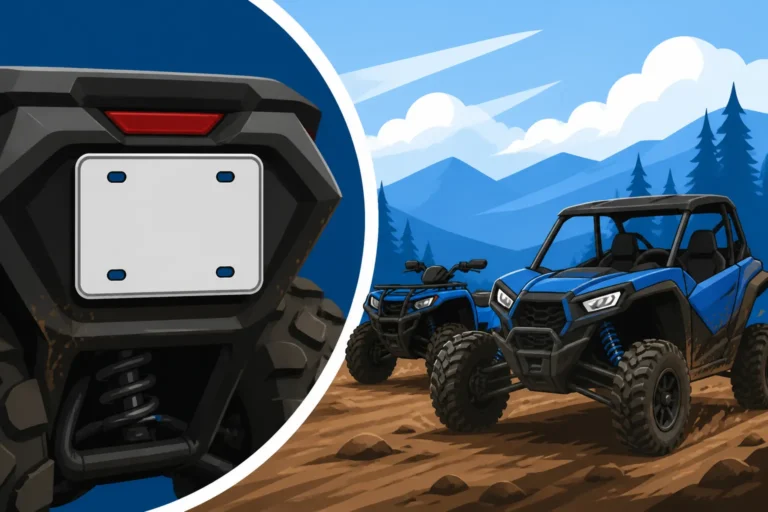
Whether you’ve just rolled a shiny new quad off a dealer’s lot or found a great deal on a used side-by-side from a private seller, your first stop for making it legally yours is the SAAQ. For new machines, the dealer usually handles a good portion of the paperwork, making the process fairly straightforward. You’ll still need to visit an SAAQ service centre to finalize things and pick up your registration certificate and that distinctive VHR plate, but much of the heavy lifting is done for you. [Quebec ATV Registration With the SAAQ] covers this in more detail.
For used quads bought privately, the responsibility falls squarely on your shoulders. You and the seller need to fill out specific forms, and you’ll need to bring proof of ownership, such as a bill of sale. This is where attention to detail really matters. Ensuring that the bill of sale is complete and accurate protects both parties and makes the registration process smoother. Sometimes, folks use resources like LawDepot to create comprehensive bills of sale to ensure all bases are covered, especially when dealing with private party transactions where official forms might feel less robust. The SAAQ processes these documents, verifies the machine's information, and ensures you're recorded as the new, legal owner. Without this step, you technically don't own the machine in the eyes of the province, and you certainly can't ride it legally anywhere but fully private land you own.
Annual Renewal and Maintaining Good Standing
Just like your car, your quad’s registration isn't a one-and-done deal. The SAAQ oversees the annual renewal process, which typically involves receiving a notice in the mail and paying a fee. This yearly ritual is crucial because it keeps your machine's registration active and, importantly, renews your mandatory liability insurance. Skipping this step means your registration lapses, and you could face fines for operating an unregistered vehicle. [Quebec ATV Registration Renewal Each Year] dives into what this process entails.
The SAAQ’s system also acts as a central database for law enforcement and trail patrols. When a patroller checks your plate or your physical registration certificate, they’re verifying that your machine is in good standing with the SAAQ. This annual check-in isn't just about collecting fees; it’s about maintaining a current record of ownership and ensuring all off-road machines operating in the province meet the minimum legal requirements, including that vital liability coverage. It’s part of the fabric that allows federated trails to operate with a degree of accountability for all riders.
Transferring Ownership After a Sale
When it’s time to upgrade your quad or if you decide to sell your current machine, the SAAQ facilitates the transfer of ownership. This is a critical step for both the seller and the buyer. For the seller, ensuring the SAAQ records are updated releases them from any future liability associated with the machine. Imagine if the new owner got into an accident before registering it in their name – you could still be on the hook! [Selling a Registered Machine in Quebec] highlights these responsibilities.
For the buyer, a proper transfer at the SAAQ ensures they are officially recognized as the new owner, granting them all legal rights and responsibilities. The SAAQ requires specific documents for this process, often including the seller’s signed registration certificate and a bill of sale. Again, for private sales, using a robust template from a service like LawDepot can prevent headaches down the line, ensuring all the right information is captured and both parties agree to the terms of sale. The SAAQ processes this change, updates their database, and issues a new registration certificate to the buyer, solidifying the legal transfer. This process is essential for maintaining accurate records and preventing disputes over ownership. [Quebec Registration Transfer After a Sale] offers more guidance.
Beyond Registration: The SAAQ as Your Mandatory Insurer
Many quad owners are surprised to learn that the SAAQ doesn't just register their machines; it also provides the mandatory liability insurance for off-highway vehicles in Quebec. This isn't optional; it's a fundamental part of operating a quad or side-by-side legally in the province. This unique dual role simplifies things in some ways but also means understanding exactly what this coverage entails is crucial. [Why the SAAQ Registers and Insures Your Quad] explains this foundational aspect of Quebec OHV law.
The Mandatory $1 Million Liability Coverage
This is perhaps one of the most significant roles the SAAQ plays for quad owners: they automatically provide a minimum of one million dollars in civil liability insurance. This coverage protects you against claims for bodily injury or property damage you might cause to others while operating your OHV. So, if you accidentally hit another rider on the trail, damage someone's fence, or cause injury to a pedestrian, this SAAQ-mandated insurance is there to cover the costs up to that limit. [Quebec's Liability Insurance Rule] clarifies the specifics.
It’s a huge relief to know that this base level of protection is included with your annual registration. Without it, even a minor incident could result in devastating financial consequences. This mandatory coverage is a cornerstone of Quebec’s approach to off-highway vehicle safety and responsibility, ensuring that victims of accidents involving OHVs are not left without recourse. It’s a collective safety net that every registered quad owner contributes to and benefits from.
Understanding Your SAAQ Insurance Certificate
Once your quad is registered and you've paid your annual fees, the SAAQ issues a registration certificate that also serves as proof of this mandatory liability insurance. This document is incredibly important and must be carried with you whenever you're operating your quad. A trail patrol officer or a police officer can and will ask to see it, along with your driver's license and trail pass. [Quebec Insurance Proof on the Machine] details why this is so important.
This certificate isn't just a piece of paper; it’s your evidence that you meet the provincial requirements for both registration and insurance. It clearly states the type of machine, your ownership details, and confirms the active insurance coverage. It’s essential to keep it in good condition and readily accessible, perhaps in a waterproof pouch on your machine or within your riding gear, so you can present it quickly if requested. Thinking about all your important documents, a resource like LawDepot could also be helpful for making sure you have personal authorizations in place, for instance, if a minor is riding your machine on private land.
What SAAQ Insurance Doesn't Cover
While the SAAQ provides critical liability insurance, it's equally important to understand its limitations. The SAAQ's coverage is strictly for civil liability – that's damage or injury to others. It does not cover damage to your own quad, nor does it cover your own injuries if you’re at fault. For that, you’d need to seek out additional private insurance from a specialized provider. Many quad owners mistakenly believe their SAAQ registration covers everything, only to find out the hard way after an accident that their machine is a write-off and they're facing significant repair bills out of pocket.
This distinction is crucial for financial planning and risk management. If you have a brand-new, expensive side-by-side, relying solely on SAAQ's liability coverage leaves you vulnerable. Private insurers offer options for collision, comprehensive, and even additional medical coverage that extends beyond what the SAAQ provides. It's always a good idea to consult with private insurance brokers to understand these options and bridge any gaps in your coverage based on your machine's value and your personal risk tolerance.
Administrative Services and Record Keeping
Beyond the initial registration and mandatory insurance, the SAAQ performs a vital administrative role that touches almost every aspect of quad ownership in Quebec. They are the province's central hub for all off-highway vehicle records, ensuring accuracy, security, and accessibility for legitimate purposes. This includes managing changes to your personal information, tracking financial liens, and providing official documentation when needed.
Updating Your Information and Machine Details
Life happens, and sometimes your personal details change – you move to a new address, or perhaps you install a major modification on your quad that affects its classification. The SAAQ is the place where you need to update these changes to keep your records accurate. Changing your address, for example, ensures that you receive your annual renewal notices on time and that all official correspondence reaches you. Failing to update your address could mean missing important deadlines or information. [Quebec Registration Address Change] is a post that expands on this.
Similarly, if your machine undergoes significant modifications that change its type or usage, the SAAQ needs to be informed. While minor cosmetic changes might not require an update, structural changes or alterations that affect the machine's safety or classification could. Maintaining accurate records is not just a bureaucratic formality; it ensures that in case of an incident, the authorities have the correct information about both you and your machine.
Managing Liens and Financing Records
For many quad owners, purchasing a new machine involves financing. When you take out a loan, the lender often places a lien on the vehicle, meaning they have a financial interest in it until the loan is paid off. The SAAQ maintains records of these liens, linking them directly to your machine's registration. This is incredibly important for both lenders and potential buyers. [Quebec Registration and Lien Records] delves into this topic.
For a buyer, checking the SAAQ records before a private sale can reveal if there's an outstanding loan on the machine. Buying a quad with an undisclosed lien can lead to significant legal and financial problems, as the lender could repossess the machine even if you've paid the seller in full. The SAAQ's role in documenting and managing these liens provides a layer of protection and transparency in the buying and selling process, giving buyers peace of mind and protecting lenders' investments. This is yet another area where complete and accurate documentation, potentially aided by forms from services like LawDepot, can be invaluable for private transactions.
Providing Proof of Ownership and History
There are times when you need official proof of your quad's ownership or its registration history. This could be for insurance claims, legal disputes, cross-border travel, or even just for your own records. The SAAQ is the official source for this documentation. Your registration certificate serves as primary proof, but you can also request specific records or a more detailed history if needed. [Quebec Registration and Proof of Ownership] offers more detail.
This service is crucial because it provides an undeniable, government-backed record of who owns what and when. In a situation where a machine might be stolen, having clear SAAQ records can be instrumental in its recovery and in proving your rightful ownership. This record-keeping function ensures that the province has a comprehensive understanding of its OHV fleet, which also aids in tracking trends, identifying potential safety issues, and supporting enforcement efforts across Quebec's vast trail network.
| SAAQ Service for Quad Owners | Description | Typical Interaction Point | Mandatory? |
|---|---|---|---|
| Initial Registration | Records your quad in the provincial database, issues VHR plate and certificate. | SAAQ Service Centre, Dealer | Yes |
| Annual Renewal | Renews registration and mandatory $1M liability insurance. | Mail, SAAQ Online, Service Centre | Yes |
| Ownership Transfer | Updates ownership records when a quad is bought or sold. | SAAQ Service Centre | Yes |
| Liability Insurance | Provides base $1M civil liability coverage for injury/damage to others. | Included with Registration | Yes |
| Address/Machine Updates | Allows you to change contact details or report significant machine modifications. | SAAQ Online, Service Centre | Yes |
| Lien Management | Records and tracks financial interests (e.g., loans) against a machine. | SAAQ Service Centre | Yes (for lenders) |
| Proof of Ownership | Provides official documentation verifying current or past ownership and registration status. | SAAQ Service Centre | No (as-needed) |
Supporting Quebec's Off-Highway Vehicle Act
The SAAQ's role extends beyond individual transactions to a broader responsibility for supporting the regulatory framework governing off-highway vehicles in Quebec. They are deeply intertwined with the enforcement, development, and overall safety strategies outlined in Quebec's Off-Highway Vehicle Act. Their data, their funding mechanisms, and their collaborations all serve to enhance the riding experience for everyone while ensuring public safety.
Funding Enforcement and Trail Development
A significant portion of the fees collected by the SAAQ through quad registration is directed towards initiatives that benefit the entire OHV community. This includes funding for law enforcement efforts by provincial police (Sûreté du Québec) and local municipal police forces who patrol trails and enforce the rules. This funding ensures that there are consequences for illegal riding and that rules are upheld to protect both riders and the environment. [What Quebec's Off-Highway Vehicle Act Changed for Owners] explains the regulatory landscape.
Furthermore, these funds often contribute to the development and maintenance of Quebec's extensive federated trail network, managed by organizations like the Fédération Québécoise des Clubs Quads (FQCQ). While trail passes directly fund clubs, the SAAQ's broader financial contributions through registration fees play a role in the overall ecosystem that supports legal and safe riding. This means that when you register your quad, you're not just paying for your own legal right to ride, but you're also contributing to the infrastructure and safety measures that benefit all responsible riders.
Data Collection for Policy and Safety
The SAAQ is a treasure trove of data regarding off-highway vehicles in Quebec. They collect information on the number of registered machines, types of quads, ownership demographics, and importantly, accident statistics. This comprehensive data collection is not for idle curiosity; it's a critical tool for informing policy decisions, improving safety regulations, and identifying areas where education or enforcement might be needed.
By analyzing trends in accident types, locations, and contributing factors, the SAAQ can work with the government and OHV associations to develop targeted safety campaigns, propose legislative changes, and implement new rules designed to reduce injuries and fatalities. For example, data on youth riders or specific machine types might lead to adjustments in age restrictions or training requirements. This behind-the-scenes data work is essential for continuously improving the safety of quad riding across the province, making our shared trails more secure for everyone.
Collaboration with Other Agencies and Clubs
Finally, the SAAQ doesn't operate in a vacuum. They actively collaborate with a variety of stakeholders to fulfill their mandate and support the OHV community. This includes working closely with the Ministère des Transports du Québec on regulatory matters, sharing data and coordinating efforts with law enforcement agencies, and maintaining strong ties with organizations like the FQCQ and local quad clubs. [Quebec ATV Trails: The FQCQ Network] provides context on how these partnerships shape the riding environment.
These collaborations are crucial for a cohesive approach to off-highway vehicle management. The SAAQ might consult with clubs on proposed changes to rules or infrastructure, and conversely, clubs rely on the SAAQ's regulatory framework and data to manage their networks effectively. This multi-agency, multi-organization approach ensures that the laws and policies related to quads are not just theoretical, but are practical, enforceable, and ultimately serve the best interests of riders and the broader public in Quebec. It’s a complex dance, but the SAAQ plays a central role in orchestrating it all.
Disclaimer
This article is for general informational purposes only and does not constitute professional advice. Laws, prices and regulations vary by location and change over time. Consult a qualified professional for guidance on your specific situation.