Quebec ATV Registration Renewal Each Year
That annual notification from the SAAQ landing in your mailbox, or perhaps even in your digital inbox, can sometimes feel like a gentle tap on the shoulder—or, if you’ve forgotten about it, a sudden jolt. For us quad and side-by-side owners in Quebec, renewing our registration each year is just part of the deal, but it's a critical step that ensures we can continue to enjoy the vast network of trails and legally operate our machines. This guide will walk you through everything you need to know about keeping your ATV or UTV registration current, from understanding the SAAQ's role to what to do if you miss a deadline.
Why Annual Renewal Is Non-Negotiable in Quebec
There's no getting around it: if you own an off-highway vehicle (OHV) in Quebec, you're expected to renew its registration every single year. It’s not just a suggestion; it's a legal obligation that keeps you on the right side of the law and, perhaps more importantly, ensures you have the mandatory liability insurance in place.
The SAAQ's Role and Your Obligation
Here in Quebec, the Société de l'assurance automobile du Québec (SAAQ) isn't just the body that handles your driver's license and car registration. They are also the registrar and, crucially, the mandatory insurer for all off-highway vehicles, including our beloved quads and side-by-sides. This unique dual role means that when you renew your ATV's registration, you're not just paying a fee to have a plate on your machine; you're also purchasing the provincial liability insurance that every owner is required to carry.
This system is designed to simplify things, bundling registration and a basic level of liability protection into one annual payment. Failure to renew means you're operating an unregistered vehicle, which carries hefty fines, and, even worse, you're doing so without the mandatory liability insurance. Imagine the financial catastrophe if you were involved in an accident without that coverage! The SAAQ makes it clear: to legally ride anywhere other than fully private land where you have exclusive rights, your machine must be registered and insured. It's all laid out in [Quebec's Off-Highway Vehicle Act and Your Papers]. Understanding your responsibilities under Quebec's Off-Highway Vehicle Act is crucial. If you ever have a dispute over ownership or need to formalize agreements related to your ATV, knowing where to find reliable legal document templates, such as those offered by LawDepot, can be a real advantage.
Understanding the VHR Plate and Its Yearly Cycle
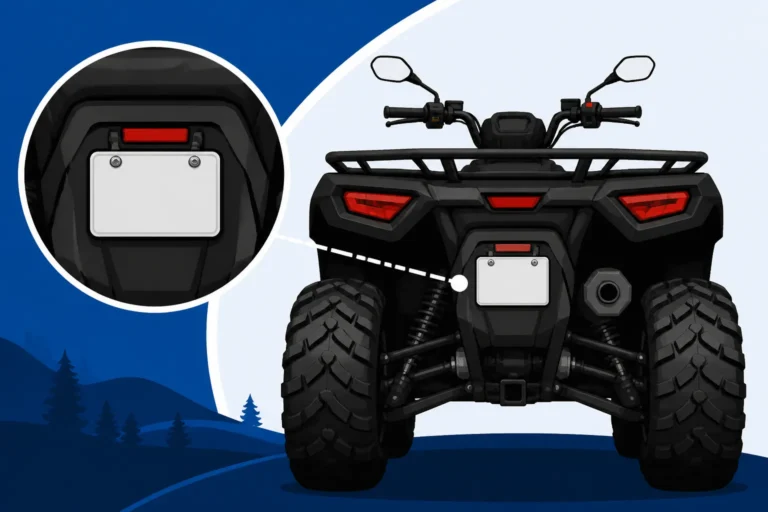
When you first registered your ATV, you received what's known as a VHR plate. VHR stands for "Véhicule Hors Route," which simply means "Off-Road Vehicle." This distinct plate, often smaller than a car plate and designed to fit neatly on your quad's fender, is your visual proof of registration. It's what trail patrols and police officers will look for when you're out riding.
The VHR plate is intrinsically linked to the annual registration cycle. Unlike some other provinces where plates might be permanent or have multi-year stickers, in Quebec, the validity of your VHR plate is tied to your yearly renewal with the SAAQ. Every year, you pay your fees, and your registration is extended for another cycle. This yearly process ensures that the SAAQ can maintain up-to-date records of all active off-highway vehicles and, critically, collect the annual premiums for the mandatory liability insurance. It’s why [Why VHR Registration Has to Be Renewed Yearly] is such an important question for new and seasoned riders alike. Without that annual refresh, your VHR plate becomes invalid, and so does your right to ride on federated trails or even cross public roads.
When and How Your Renewal Notice Arrives
Staying on top of your ATV registration renewal means knowing when and how the SAAQ communicates with you. It’s a proactive step that can save you a lot of headache down the road.
The SAAQ's Notification Process
Typically, the SAAQ is pretty good about sending out renewal notices well in advance of your registration's expiration date. These notices usually arrive by mail, sent to the address they have on file for you. It's designed to give you ample time to process the renewal before the deadline. While the SAAQ is increasingly moving towards digital options, the physical mail notice remains the primary method for many.
However, life happens. Mail can get lost, or perhaps you've moved and forgotten to update your address with the SAAQ. This is where things can get tricky. If your address isn't current, your renewal notice might end up in the wrong hands or simply never reach you. This doesn't exempt you from the renewal obligation. You're responsible for ensuring your contact information, especially your mailing address, is up to date with the SAAQ. A simple [Quebec Registration Address Change] can prevent a lot of stress. If you've recently moved and need to ensure your address is updated not just with the SAAQ, but also across other personal documents, or if you need to create an affidavit of residency for any reason, online platforms like LawDepot offer templates to help you generate official paperwork quickly.
Deciphering Your Renewal Notice
When that envelope from the SAAQ arrives, don't just toss it aside thinking it's another bill. This is an important document that contains all the essential details for renewing your off-highway vehicle registration. The notice will clearly state your machine's information (make, model, serial number), your VHR plate number, the exact due date for renewal, and, most importantly, the amount you owe. It will also outline the various payment options available to you.
It's a good practice to quickly review the details on the notice. Are the machine details correct? Is your name spelled properly? While rare, errors can occur. If you spot any discrepancies, it's best to address them before or during your renewal process, often requiring an in-person visit to an SAAQ service outlet. The notice will also specify the new registration period, confirming the dates your updated registration will be valid. Even if you're comfortable with official French documents, sometimes a quick read of [Reading a Renewal Notice in French] can clarify any lingering doubts about what's expected of you.
Step-by-Step Guide to Renewing Your Quebec ATV/UTV Registration
Renewing your ATV or UTV registration with the SAAQ is generally a straightforward process. The SAAQ offers several convenient methods, but knowing the specifics of each can help you choose the one that best suits your needs.
Online Renewal: The Easiest Path
For most people, renewing online is by far the quickest and most convenient option. It saves you a trip to a service counter and can be done from the comfort of your home, any time of day or night.
Here’s a general rundown of the steps for online renewal:
- Locate Your Renewal Notice: You’ll need the information from your SAAQ renewal notice, specifically your VHR plate number and the reference number provided on the document.
- Visit the SAAQ Website: Navigate to the official SAAQ website. Look for the section related to vehicle registration renewal.
- Enter Required Information: You'll be prompted to enter your VHR plate number and possibly your driver's license number or the reference number from your notice. This helps the system pull up your specific registration details.
- Verify Information: The system will display your machine’s details and the amount due. Double-check everything to ensure accuracy.
- Choose Payment Method: You’ll typically pay with a credit card (Visa or MasterCard are commonly accepted). Enter your card details securely.
- Confirm and Print/Save: Once your payment is processed, you'll receive a confirmation. It’s a good idea to print this confirmation or save it as a PDF for your records. This serves as immediate proof that your registration has been renewed.
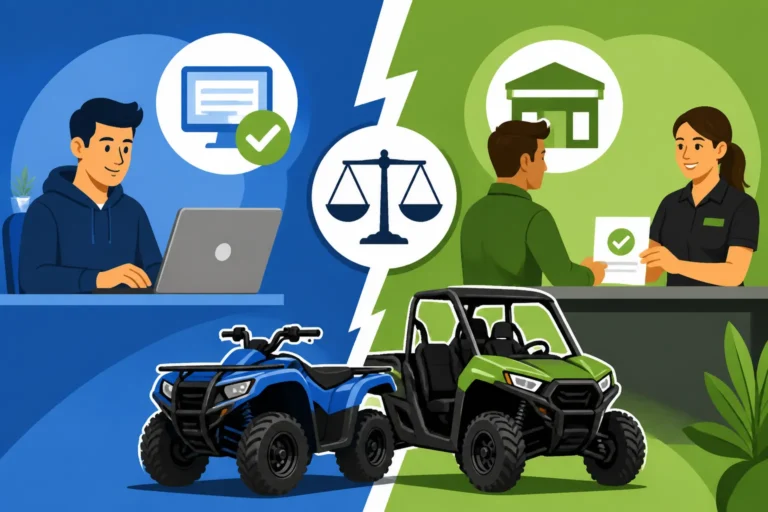
The biggest benefits of online renewal are convenience and speed. Your registration is updated almost instantly, and you receive an immediate confirmation. It truly is the path of least resistance for many. For a detailed comparison of options, check out [Renewing Online Versus in Person].
In-Person Renewal at an SAAQ Service Outlet
While online renewal is great, there are times when an in-person visit to an SAAQ service outlet is necessary or preferred. This might be the case if you have questions, need to make changes to your registration details, prefer to pay with cash, or if you've simply missed your mailed notice and need assistance.
If you plan to renew in person, here’s what you should prepare:
- Bring Your Renewal Notice: If you have it, bring the physical renewal notice. It streamlines the process for the SAAQ agent.
- Proof of Identity: A valid driver's license or another form of government-issued photo identification is essential.
- Payment Method: Be prepared with cash, a debit card, or a credit card to cover the renewal fees.
- Any Relevant Documents: If you’re making changes, like updating your address or correcting information, bring any supporting documents.
An SAAQ agent can guide you through the process, answer specific questions about your registration, and print out any necessary confirmations on the spot. It's the best option for complex situations or if you appreciate direct human assistance. For a full list of what to bring, consider reading [Documents to Bring to a Service Counter]. While most renewals are straightforward, sometimes an in-person visit uncovers an issue, such as a discrepancy in ownership records. In such cases, you might need to present additional proof of ownership, and having a properly prepared document, like a bill of sale from LawDepot, can smooth the process.
Other Payment and Renewal Options
Beyond online and in-person, the SAAQ sometimes offers other avenues for renewal, though these can vary and might not be as universally available.
- Financial Institutions: Some banks or credit unions in Quebec may offer the option to pay your SAAQ registration fees directly through their online banking portals or at an ATM. This is similar to paying other utility bills. You'll typically need your SAAQ client number or the reference number from your renewal notice.
- Mail: While less common now for active renewals due to speed and security concerns, historically, you could mail in a cheque or money order with your renewal notice. This method is slow and not recommended if your deadline is approaching.
Each method has its own pros and cons: online is fast but requires internet access and a credit card; in-person offers direct support but requires travel; and financial institution payments are convenient if available through your bank but might have a slight processing delay. When it comes to [Quebec ATV Registration Payment Methods], the SAAQ aims to provide flexibility, but online remains the most popular for good reason.
What Happens If You Miss the Renewal Deadline?
Missing a deadline can feel like a punch to the gut, especially when it comes to something as important as your ATV registration. It's a common fear among riders, and it's essential to understand the repercussions and how to rectify the situation quickly.
The Immediate Consequences of Lapsed Registration
Let’s be honest: life gets busy, and sometimes things slip through the cracks. But when your Quebec ATV registration lapses, the consequences are immediate and can be quite serious. First and foremost, you are no longer legally permitted to operate your off-highway vehicle on any federated trail, public land, or even cross a public road. If you're caught riding an unregistered machine by a trail patrol or police officer, you're looking at significant fines. These aren't just minor penalties; they can quickly add up, making that forgotten renewal fee seem like a bargain in comparison.
Beyond the fines, perhaps the most critical consequence is the loss of your mandatory SAAQ liability insurance. Remember, your annual registration payment includes this vital coverage. When your registration expires, so does this insurance. This means if you were to be involved in an accident, even a minor one, you would be personally responsible for any damages or injuries you caused. This can lead to devastating financial repercussions. It’s a harsh reality that [What Happens When Your VHR Plate Lapses] can truly hit home. The purpose of this annual renewal, and the integrated insurance, is to protect everyone, and when it's missed, those protections vanish for the owner.
Reinstate Your Registration After a Lapse
The good news is that a lapsed registration isn't usually the end of the road. You can almost always reinstate your registration, but it's crucial to do so as soon as you realize the error. The process for reinstating a late registration is essentially the same as a regular renewal: you can do it online, in person at an SAAQ service outlet, or through other payment channels if available.
However, there might be additional fees or administrative hurdles involved, especially if a significant amount of time has passed. While the SAAQ doesn't typically charge a "late fee" per se, you will still need to pay the full annual registration amount, covering the mandatory SAAQ liability insurance for the current period. It’s not uncommon for SAAQ rates to change year to year, so you'll be paying the current rate, which might be different from the one you expected from a previous year's notice. Always refer to the most recent SAAQ information for current figures, as these can be updated regularly. This is why staying on top of [Quebec SAAQ Rate Changes for 2025 to 2027] is always a good idea, even if you’re usually prompt. The key is not to delay; the longer you wait, the greater the risk of facing serious issues if you're tempted to ride.
Special Circumstances and Common Renewal Questions
While most renewals are straightforward, sometimes life throws us a curveball. What if your machine is just sitting in storage, or worse, stolen? These unique situations often lead to specific questions about registration renewal.
Renewing a Machine You Don't Ride Anymore (But Still Own)
It’s a common scenario: you bought an ATV with grand plans, but now it mostly sits in the garage, perhaps only used a few times a year on your private property or stored for the winter. Do you still need to renew its registration? The general rule in Quebec is that if you own an off-highway vehicle that is capable of being ridden and could potentially be operated on public or federated lands, it must be registered annually, and therefore carry the SAAQ's mandatory liability insurance.
However, there's a nuance. If your machine is exclusively used on private land that you own and to which the public has no access, and it never touches any public road, federated trail, or Crown land, you might be exempt from the annual SAAQ registration. But be very, very careful with this distinction. The moment your ATV leaves that private, inaccessible land—even to cross a ditch or ride a few meters on a road shoulder—it must be registered. Many owners, even those who primarily use their quads at a camp or on their own large properties, choose to renew annually for peace of mind, knowing they can legally move it or take it for an occasional spin elsewhere. For more on this, check out [Quebec Machines Used Only on Private Land] and [Quebec Registration and Storage Season].
What if Your ATV is Stolen or Totalled?
These are unfortunate circumstances, but it's important to know how to handle your SAAQ registration when they occur.
- Stolen ATV: If your ATV is stolen, your first step, after contacting the police, should be to notify the SAAQ. You’ll need to report the theft to them and request that the registration be cancelled. This prevents you from being charged for renewal fees for a machine you no longer possess. While the SAAQ typically doesn't offer a refund for the unused portion of your annual registration, cancelling it ensures you won't receive future renewal notices for it.
- Totalled ATV: If your ATV is involved in an accident and deemed a total loss by your insurance provider (if you have private collision insurance) or is simply beyond repair, you should also contact the SAAQ to cancel its registration. This is crucial if the machine will be salvaged or permanently taken off the road. Again, while you might not get a refund, it formalizes the machine's status and stops future renewal notifications.
For documenting unique situations like selling a salvaged machine or formalizing transfer of ownership in less common scenarios, online legal document providers like LawDepot can be helpful for generating a [Paperwork Two Individuals Sign on a Private Sale]. While the SAAQ handles the official registration status, LawDepot can assist with the underlying legal documentation.
Changing Machine Details During Renewal
Sometimes, between one renewal and the next, things change. You might have moved, or perhaps you've made significant modifications to your machine that warrant updating its registration details.
- Address Change: As mentioned earlier, keeping your address current with the SAAQ is paramount. You can usually update your address online through the SAAQ website, or in person at a service outlet. It’s a good idea to do this as soon as you move, rather than waiting for your renewal notice.
- Machine Modifications: While minor cosmetic changes typically don't require an SAAQ update, significant modifications that alter the machine's class, engine size, or safety features might need to be reported. For example, if you somehow managed to change the engine of your ATV to a vastly different capacity, that could be something to discuss with the SAAQ. Generally, standard aftermarket accessories like winches, bumpers, or different tires do not require notification. When in doubt, it’s always best to contact the SAAQ directly or ask at a service counter. They've heard it all, so don't be shy about asking [Quebec Registration Questions Clerks Hear].
Planning Ahead: Costs, Insurance, and Future Rates
Thinking about your ATV registration isn't just about paying the bill when it arrives. It's also about understanding what you're paying for, how those costs are determined, and what to expect down the line.
Understanding Quebec ATV Registration Costs
The annual fee you pay to the SAAQ for your ATV or UTV registration is a combination of two main components: the actual registration fee and the mandatory SAAQ liability insurance premium. These amounts are not arbitrary; they are set by the SAAQ and can vary based on several factors, though typically the primary determinant is the class of vehicle (ATV, side-by-side) and sometimes engine size.
It's important to remember that these costs are subject to change. The SAAQ periodically reviews and adjusts its rates for various vehicle classes. Your annual renewal notice will always reflect the current fees for that specific year. While I cannot provide specific figures (as rates change), the "shape" of the cost will always include both the registration and the liability insurance. For a general overview of the fees, you can delve into [Quebec ATV Registration Cost]. It's always a good habit to check the SAAQ's official website for the most current rate grid to avoid any surprises.
SAAQ Liability Insurance and Optional Private Coverage
A significant portion of your annual SAAQ registration fee goes directly towards providing you with mandatory liability insurance. This provincial insurance covers damages you might cause to others or their property in an accident, up to a certain limit—which, crucially, rose to a [Quebec Liability Minimum Rose to $1 Million]. This is a huge benefit, offering a baseline of protection for every registered owner.
However, it's vital to understand what this SAAQ liability insurance doesn't cover. It doesn't cover damage to your own ATV, theft of your machine, or injuries to yourself. For these protections, you need to consider purchasing additional private insurance from a third-party provider. Many owners wisely opt for comprehensive private policies to safeguard their investment and their personal well-being. This is where [Quebec Insurance Minimum for an Owner] comes into play; it's the minimum, not necessarily all you need. Beyond the mandatory SAAQ liability, many owners opt for additional private insurance to cover collision, theft, and other risks. For landowners who might allow ATV use on their property, or for businesses renting machines, creating custom liability waivers or agreements is a smart move, and resources like LawDepot provide templates for these kinds of documents. For example, [Quebec Insurance for a Side-by-Side] might be something you'd want to review specifically.
Anticipating Future Rate Changes and How to Stay Informed
The SAAQ is transparent about its rate changes, often publishing them in advance for upcoming years. These changes can be influenced by various factors, including accident statistics, inflation, and policy adjustments. Staying informed about these potential shifts can help you budget for your annual renewal.
The best way to anticipate future rate changes is to periodically check the SAAQ's official website. They usually have a section dedicated to vehicle registration fees and upcoming adjustments. You can also often find detailed grids that break down the rates by vehicle type and year. For instance, knowing how to interpret the [Reading the SAAQ Registration Rate Grid to 2027] can give you a clear picture of what's coming. While your renewal notice will always have the exact amount due for your current cycle, a little proactive research can prevent financial surprises down the line.
Proof of Registration and Riding Responsibly
Having a valid registration is one thing, but being able to prove it when you're out on the trails is another. It's an essential part of responsible ATV riding in Quebec.
Carrying Your Papers on the Trail
When you hit the trails in Quebec, you're not just riding for fun; you're also expected to comply with the rules. One of the most fundamental requirements is to carry proof of your vehicle's registration and insurance. This typically means having the physical copy of your SAAQ registration certificate with you. While technology allows for digital copies of many documents, the preferred and most reliable method for trail patrols remains a physical document.
Why is this so important? Because it provides immediate, undeniable proof that your machine is legally registered and that you have the mandatory liability insurance. It demonstrates you're a responsible rider contributing to the system that maintains our fantastic trail network. Not having your papers can lead to delays, questions, and even fines. So, make it a habit: before every ride, ensure your registration, proof of insurance (even if it's the SAAQ one), and your driver's license are securely stored and easily accessible. Consider a waterproof pouch. For a deeper dive into this, see [Quebec Insurance Proof on the Machine] and [Carrying Papers on a Long Ride].
What a Patrol Officer Looks For
Whether it's a provincial police officer (Sûreté du Québec) or a federated club trail patroller, they have the authority to stop you and check your documents. They're looking for several key pieces of information to ensure you're riding legally and safely:
- Valid VHR Plate: They'll confirm your plate is properly affixed and visible.
- Current Registration Certificate: They'll want to see proof that your registration is active for the current year.
- Proof of SAAQ Liability Insurance: This is typically on your registration certificate, confirming the mandatory coverage.
- Valid Driver's License: You must possess a valid driver's license (not just a learner's permit) to operate an ATV or UTV on federated trails and public access points.
- Trail Pass (if on a federated trail): If you're on a federated trail, they'll also check for your current FQCQ trail pass sticker.
If any of these documents are missing or invalid, you could face fines, a verbal warning, or even be asked to cease riding. It's a hassle nobody wants, so being prepared is key. For more on this, [What a Patrol Can Ask to See] and [Being Stopped on a Trail] offer excellent insights.
Connecting Your Registration to Club Membership and Trail Passes
Your SAAQ ATV registration isn't just a standalone document; it's the foundation upon which your entire legal riding experience in Quebec is built. Specifically, it's a prerequisite for obtaining a valid trail pass from the Fédération Québécoise des Clubs Quads (FQCQ), which grants you access to Quebec's extensive network of federated trails.
You simply cannot purchase an FQCQ trail pass without first having a properly registered ATV. The SAAQ registration ensures your machine meets the basic legal requirements and carries the mandatory liability insurance, which is a fundamental condition for trail access. When you buy your trail pass, you'll need to provide your machine's registration details. This interconnectedness means that maintaining your annual SAAQ registration is not just about avoiding fines; it's about unlocking thousands of kilometres of incredible riding. Think of it as a domino effect: without the first domino (SAAQ registration), the others (club membership, trail pass, legal trail riding) simply can't fall into place. For more details on the relationship, check out [Quebec Registration and Club Membership] and [Quebec Trail Passes Cover Every Club].
Table: Comparing ATV Registration Renewal Methods
| Feature | Online Renewal | In-Person Renewal at SAAQ Outlet |
|---|---|---|
| Convenience | Very High (24/7 access from anywhere) | Medium (requires travel, adherence to business hours) |
| Speed of Processing | Immediate | Immediate |
| Required Documents | VHR plate number, SAAQ notice reference, payment info | Renewal notice (if available), photo ID, payment |
| Payment Options | Credit card (Visa, MasterCard typically) | Debit, credit card, cash |
| Assistance/Questions | None (self-service) | Direct SAAQ agent assistance for queries or issues |
| Best For | Most owners, simple renewals, busy schedules | Complex situations, corrections, cash payments, specific questions |
| Confirmation | Digital confirmation (print/save recommended) | Printed receipt/confirmation on site |
Disclaimer
This article is for general informational purposes only and does not constitute professional advice. Laws, prices and regulations vary by location and change over time. Consult a qualified professional for guidance on your specific situation.