Seat Belts on a Side-by-Side
It's a common misconception that side-by-sides, with their roll cages and sturdy build, offer inherent protection that makes seat belts less critical. But let's be real: when you're out on Quebec's beautiful, but sometimes challenging, trails, things can get bumpy, unexpected, and even a little wild. The thought of being thrown from your machine, or worse, having it roll over you, is a terrifying one. This guide is here to clear up any confusion and underscore just how crucial seat belts are for your side-by-side adventures in Quebec, keeping you safe and compliant with the law.
The Mandate: Why Seat Belts Are Non-Negotiable in Quebec
There's no skirting around it: if you're riding a side-by-side (what Quebec officially calls a VCC, or véhicule côte-à-côte) in la belle province, seat belts are not an option, they are a legal requirement. This isn't just a suggestion for your well-being; it's explicitly laid out in Quebec's laws, designed to keep everyone on the trails as safe as possible. Ignoring this rule can have serious consequences, not just for your safety but also for your wallet and your peace of mind.
The Law's Clear Stance on Restraints
Quebec's Off-Highway Vehicle Act (often referred to as the LVHR) is very clear about the use of safety equipment, and seat belts for side-by-sides are right at the top of that list. The law states that if your machine is equipped with seat belts from the manufacturer – and virtually all modern side-by-sides are – then everyone occupying a seat must use them. It's not just the driver; every passenger needs to be properly buckled in. Think of it like driving your car: you wouldn't (or shouldn't!) drive without your seat belt on, and the same principle applies when you're hitting the trails.
The "why" behind this isn't hard to grasp. Side-by-sides, by their very nature, are designed for dynamic off-road environments. They can tip, slide, and even roll over, especially if you encounter an unexpected obstacle, misjudge a turn, or hit a soft shoulder. A seat belt's primary job is to keep you securely inside the vehicle's protective frame. Without it, even a minor tip can eject an occupant, leading to severe injuries or worse. It’s about ensuring that if the worst happens, you stay where the vehicle is designed to protect you. [Quebec's Off-Highway Vehicle Act and Your Papers] delves into more of these foundational rules.
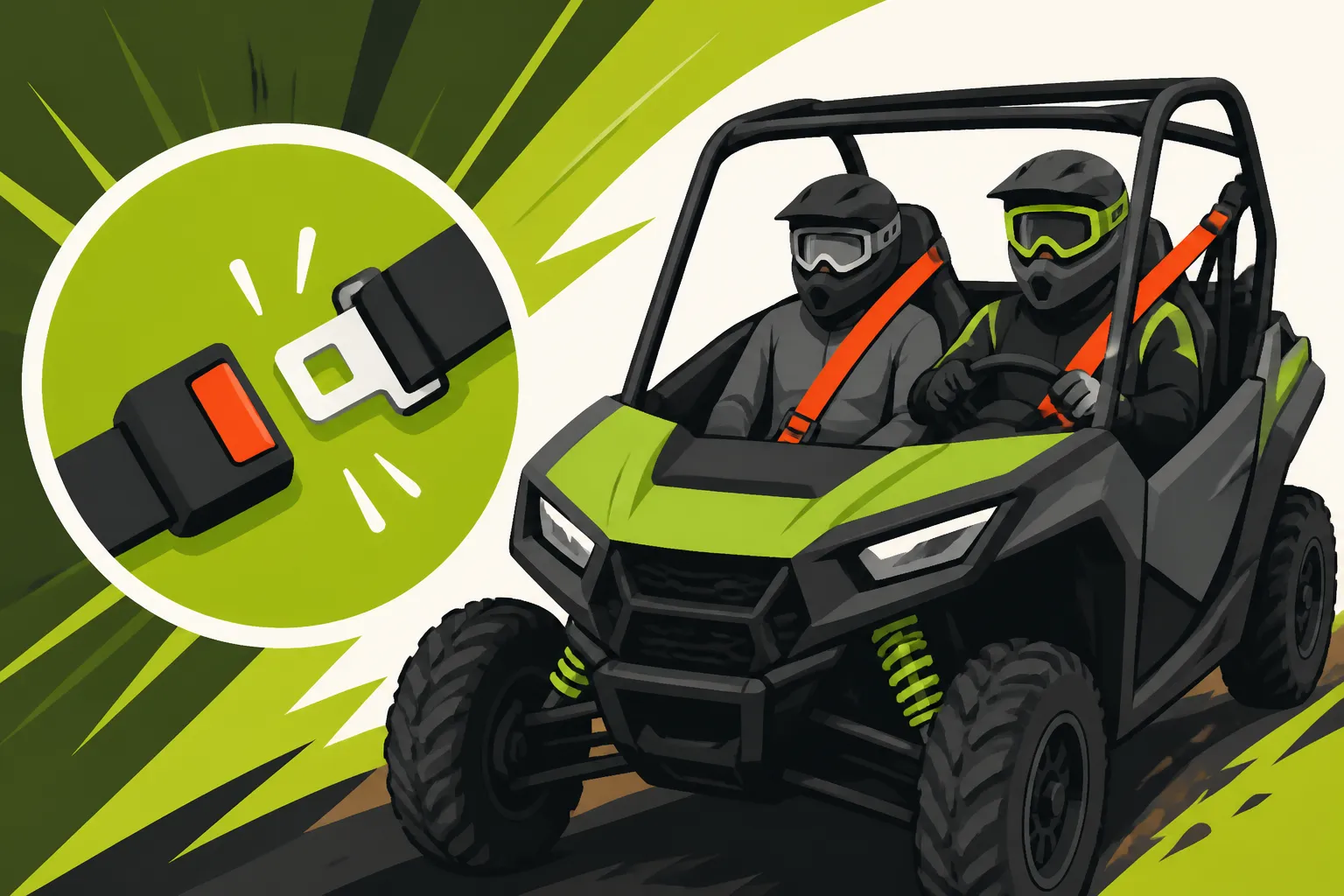
Imagine you're enjoying a crisp autumn ride through the Laurentians, taking in the stunning fall colours. You come around a blind corner, and suddenly, there's a deep rut that wasn't there last week. You swerve to avoid it, the machine pitches violently, and for a split second, you're fighting to maintain control. If you're unbelted, that sudden lurch could send you flying out of the seat, perhaps into the path of the machine itself or into a tree. If you're properly belted, however, you're held firmly in place, allowing you to react and recover without the added danger of being ejected. That small click of the buckle makes all the difference between a near-miss and a potentially life-altering incident.
Understanding Factory-Equipped Safety Features
When you buy a side-by-side, whether it's brand new from a dealership or a well-loved used model, it comes with a host of safety features engineered by the manufacturer. Among the most critical of these are the factory-installed seat belts. These aren't just an afterthought; they're an integral part of the vehicle's design, tested to meet specific safety standards. The number of seats and, consequently, the number of seat belts, directly corresponds to the factory-rated capacity of your machine. A two-seater will have two belts, a four-seater will have four, and so on. This [Seat Belts and Factory Capacity] is a direct reflection of the manufacturer's intent for safe occupancy.
It’s crucial to understand that tampering with, removing, or even improperly modifying these factory seat belts is not only incredibly dangerous but also against the law. These belts are designed to work with the vehicle's frame and seating positions to provide optimal protection. Any unauthorized modification can compromise their integrity, making them far less effective in a crash or rollover scenario. Moreover, if a trail patroller or Sûreté du Québec officer inspects your machine and finds altered or missing factory safety equipment, you could face hefty fines and be prevented from continuing your ride.
Consider this scenario: you've just bought a used side-by-side from a private seller, excited to hit the trails around Mont-Tremblant. During your first pre-ride check, you notice that one of the rear seat belts has been removed, or perhaps an aftermarket belt has been crudely installed with inadequate hardware. This immediately puts you in a difficult position. As the owner and operator, you are responsible for ensuring your machine meets all legal safety requirements. Riding with compromised safety equipment means you're not only risking your passengers' lives but also exposing yourself to legal penalties. Before heading out, you'd need to prioritize restoring or properly installing compliant seat belts, checking everything from the webbing condition to the mounting bolts.
Beyond the Law: The Critical Role of Seat Belts in Rider Safety
While the law provides a clear mandate for seat belt use, understanding the deeper safety implications can really drive home their importance. It's not just about avoiding a ticket; it's about protecting yourself and your loved ones from the inherent risks of off-road riding. The dynamic nature of side-by-side operation means you need robust protection against the unexpected, and seat belts are your first line of defense.
Protection Against Ejection and Rollovers
The primary, and arguably most vital, function of a seat belt in a side-by-side is to prevent occupant ejection and to keep you contained within the protective roll cage during a rollover. Unlike a car that mostly stays on flat, paved surfaces, a side-by-side is built to tackle uneven terrain, steep inclines, deep ruts, and sudden drops. These conditions inherently carry a higher risk of the vehicle becoming unstable. When a side-by-side tips or rolls, the forces involved can be immense, easily throwing an unbelted occupant clear of the vehicle – often into the very path of the tumbling machine or into unforgiving natural elements like rocks or trees.
Even seemingly minor incidents, like a quick swerve to avoid a deer or hitting a hidden rock at moderate speed, can generate enough G-forces to dislodge you from your seat. Imagine navigating a tricky, off-camber section of trail near Lac Saint-Jean. Your machine might lean significantly, and without a seat belt, you could find yourself fighting to stay upright, reducing your ability to control the vehicle. If the machine then decides to go completely sideways or roll, your chances of escaping serious injury are dramatically reduced if you're not securely strapped in. The roll cage is there to protect the space inside the vehicle, but only if you stay inside that space.
Consider a situation where you're climbing a steep, rocky hill, and the side-by-side unexpectedly loses traction and starts to slide backward or tips sideways. If you and your passengers are belted in, you'll be held firmly in your seats, allowing the vehicle's safety cage to do its job. Without belts, the motion could cause you to be tossed around, potentially impacting the roll cage itself or being thrown completely out of the vehicle as it tumbles. This crucial function of keeping you inside the safety cell is why [Quebec Rules for Passengers on a Quad] (and side-by-sides) always emphasize restraints.
Types of Seat Belts and Their Benefits
While the standard 3-point seat belt, much like what you'd find in a car, is the legal minimum and comes factory-installed in most side-by-sides, many riders choose to upgrade for enhanced safety and containment, especially if they tackle more aggressive terrain or participate in competitive events. These upgrades typically come in the form of multi-point harnesses, such as 4-point, 5-point, or even 6-point systems.
A 3-point belt offers excellent protection for general trail riding, securing you across the lap and one shoulder. It allows for some upper body movement, which can be comfortable for less aggressive riding. However, for those who push their machines harder or frequently encounter extreme inclines and declines, the added security of a multi-point harness can be invaluable. A 4-point harness adds a second shoulder strap, providing more symmetrical upper body containment. A 5-point harness takes this a step further by including a strap that comes up between the legs, preventing what's known as "submarining" – sliding down and out from under the lap belt in a forceful impact. Some extreme setups even use 6-point harnesses for maximum security.
Companies like SuperATV offer a wide array of aftermarket harnesses designed specifically for side-by-sides. These can range from heavy-duty 4-point harnesses that bolt directly into your factory mounting points to full 5-point race-style harnesses that require more extensive installation. While a 3-point factory belt is the baseline for legal operation, upgrading to a product from a reputable manufacturer like SuperATV can provide peace of mind and an extra layer of protection, particularly if you're frequently riding demanding trails or carrying precious cargo (your kids!). It's a significant investment in your safety, allowing you to ride with more confidence, knowing you're secured even in the most challenging conditions.
Practicalities and Common Questions for Side-by-Side Owners
Understanding the legal and safety rationale for seat belts is one thing, but knowing the practical aspects of their use, maintenance, and the consequences of neglecting them is just as important. For any side-by-side owner in Quebec, these details can make a real difference in your riding experience and your interactions with trail authorities.
Ensuring Proper Use and Maintenance
Just having a seat belt isn't enough; it needs to be used correctly every single time you ride. A seat belt can only do its job if it's snug, properly positioned, and free from twists or slack. The lap belt portion should sit low across your hips, not your stomach, to effectively transfer forces to your pelvis, which is better equipped to absorb impact than your soft abdomen. The shoulder strap should cross your chest and collarbone, resting comfortably without chafing your neck or sliding off your shoulder. Any slack in the belt can significantly reduce its effectiveness, allowing your body to build momentum before the belt catches you, increasing the risk of injury. Make it a routine before every ride: buckle up, pull the slack out, and give it a tug to ensure it's secure.
Beyond proper use, regular maintenance of your seat belts is absolutely critical. Like any component exposed to the elements and frequent use, seat belts can suffer wear and tear. Look for signs of fraying, cuts, tears, or excessive wear on the webbing. Check the buckles for proper function – they should click securely and release smoothly. Inspect the mounting points for any loose bolts, corrosion, or cracks in the frame around them. If your machine has been involved in an accident, even a minor one, it's highly recommended to replace the seat belts, as they might have stretched or been compromised internally, even if visible damage isn't apparent. This proactive approach to maintenance ensures your safety equipment is always in top condition.
Imagine you're preparing for a long weekend trip to the Gaspésie region, where the trails offer incredible views but can be rugged. As you do your pre-ride checks, you notice a significant fray in the shoulder strap of your passenger's seat belt. It might seem minor, but that fray indicates a weakened point that could fail under stress. Ignoring it would be a gamble with your passenger's safety. The responsible action is to either replace the entire belt assembly immediately or, if an adequate replacement isn't available, to ensure that specific seat is not used until it's repaired. Prioritizing this small detail keeps everyone safer.
Penalties and Enforcement for Non-Compliance
Quebec's regulations regarding off-highway vehicles are enforced seriously, and seat belt compliance is no exception. Riding a side-by-side without a properly fastened seat belt, whether you're the driver or a passenger, can lead to significant fines. These aren't just minor slaps on the wrist; they are designed to deter unsafe practices and encourage compliance with safety laws. And it’s not just the driver who can be penalized; passengers found unbelted can also receive their own tickets. [Quebec Fines for Riding Without a Licence] provides context for the seriousness of these penalties.
Law enforcement officers, including the Sûreté du Québec (SQ) and authorized trail patrollers from federated clubs, actively monitor trails for compliance with the Off-Highway Vehicle Act. They are well within their rights to stop you for a routine equipment check. During such a stop, they will typically verify your registration, insurance, and driver's license, and also perform a visual check of your safety equipment, including helmets and seat belts. If they observe an unbelted occupant, they will issue a citation. The goal of these checks isn't to ruin your day, but to ensure that everyone is riding responsibly and safely.
Consider a group of friends on a scenic ride near Val-d'Or. One of your friends, riding as a passenger in the back of a four-seater, decided to unbuckle for a moment to take a photo, believing there was no harm. A few minutes later, you're flagged down by a trail patroller. Upon seeing the unbelted passenger, the patroller issues a ticket not just to your passenger but potentially to you as the driver for operating a vehicle with an unbelted occupant. What started as a fun day quickly turns into a costly lesson in compliance. Understanding [What a Patrol Can Ask to See] is crucial for all riders.
Choosing and Installing Aftermarket Seat Belts
For some side-by-side owners, the factory-installed 3-point seat belts, while perfectly legal and safe for general use, might not offer the level of security or comfort they desire. This is especially true for those who engage in more aggressive riding, tackle extreme terrain, or even participate in side-by-side racing events. The aftermarket is brimming with options that can significantly enhance your safety and riding experience.
When to Consider Upgrading Your Restraints
There are several compelling reasons why a rider might choose to upgrade from factory 3-point seat belts to a multi-point harness system. If you consistently find yourself on trails that involve steep climbs, abrupt descents, or high-speed maneuvers, a 4-point or 5-point harness offers superior body containment. In these situations, factory belts can sometimes allow for too much upper body movement, leading to rider fatigue as you constantly brace yourself, or even allowing you to lean out of the protective zone of the roll cage. A more secure harness keeps you firmly planted in your seat, allowing you to focus on driving rather than fighting to stay in place.
Another factor is personal preference. Some riders simply feel more secure and confident with the full embrace of a 4-point or 5-point harness. This heightened sense of security can lead to a more enjoyable and less stressful ride, knowing that you are optimally protected should an unexpected event occur. For those who frequently participate in events or explore the most challenging trails Quebec has to offer, upgrading your restraints is often seen as a fundamental safety enhancement, similar to investing in a high-quality helmet or robust skid plates.
For families with younger, taller children who are passengers, the improved fit and anti-submarining properties of a 5-point harness can offer additional peace of mind compared to a standard 3-point belt, which may not always fit smaller frames perfectly. While the [Quebec Rules for a Side-by-Side Driver] generally mandate an age of 18, passengers can be younger, and their safety is paramount. Products from brands like SuperATV are specifically designed to cater to these needs, offering solutions that go beyond the basic factory setup to provide tailored safety for all occupants.
Key Considerations for Aftermarket Harnesses
When you decide to venture into the world of aftermarket harnesses, you'll quickly discover a variety of options, each with its own benefits and considerations. It's not a one-size-fits-all purchase, and choosing the right harness for your specific side-by-side model and riding style is important. One of the first things to consider is the mounting type: some harnesses use J-hooks that clip into existing points, while others require bolt-in installation directly to the frame, often offering a more secure connection. Make sure any aftermarket harness you choose is compatible with your specific side-by-side make and model – not all harnesses fit all machines equally well.
Beyond mounting, consider the number of points (4-point, 5-point, or 6-point) based on your riding intensity. Think about features like padded straps for comfort, quick-release buckles for emergency egress, and easy adjustability to accommodate different riders. While many harnesses are designed for DIY installation, some may require specialized tools or a professional touch to ensure they are installed safely and correctly. Always read reviews and compare products from reputable manufacturers.
For instance, if you own a popular Polaris RZR or Can-Am Maverick, you'll find a wide selection of harnesses from companies like SuperATV that are engineered to integrate seamlessly with your vehicle's structure. These harnesses are typically robust, featuring wider webbing and stronger buckles than many stock belts. Comparing options might involve looking at materials (nylon vs. polyester webbing), the type of hardware used, and the ease of adjustment for drivers and passengers of varying sizes. Investing in a quality harness from a known brand ensures you're not just getting "more straps," but a genuinely enhanced safety system built for the rigors of off-road use.
Installation Tips and Safety Checks
Once you've chosen your aftermarket harness, proper installation is paramount. A top-of-the-line harness is only as good as its installation. Always, always follow the manufacturer's instructions to the letter. These instructions are developed by engineers who understand the stress points and optimal mounting locations for their products. Deviating from them can compromise the harness's effectiveness and potentially create new safety hazards. Ensure you use all the provided hardware, and avoid mixing components from different kits unless explicitly stated as compatible.
Pay particular attention to the mounting points. Many aftermarket harnesses are designed to utilize existing factory locations, but some might require drilling or the installation of a harness bar. If a harness bar is needed, ensure it's specifically designed for your side-by-side and installed correctly to distribute forces effectively. Never modify structural components of your side-by-side's roll cage without consulting a qualified expert, as this can weaken the entire safety structure. After installation, perform a thorough safety check: tug on each strap, test the buckle, and ensure there's no excessive slack. Sit in the seat and adjust the harness to yourself, making sure it feels snug and secure without being overly restrictive.
Regularly inspect your aftermarket harnesses just as you would your factory belts. Check for any signs of wear, fraying, or damage, especially after particularly aggressive rides or any minor impacts. Make sure all bolts are tight and secure, as vibrations from off-road riding can sometimes loosen hardware over time. A properly installed and maintained aftermarket harness can significantly elevate your safety on the trails, allowing you to confidently tackle whatever Quebec's wilderness throws your way.
| Feature | Standard 3-Point Belt | 4-Point Harness | 5-Point Harness |
|---|---|---|---|
| Origin | Factory-installed | Aftermarket upgrade | Aftermarket upgrade |
| Legality (Quebec) | Mandatory minimum | Permitted (enhancement) | Permitted (enhancement) |
| Upper Body Containment | Good (one shoulder strap) | Better (two shoulder straps) | Best (two shoulder straps) |
| Anti-Submarining | Limited | Limited | Excellent (crotch strap) |
| Ejection Protection | Good | Very Good | Superior |
| Rider Movement | Moderate freedom | Reduced | Minimal |
| Installation | Integrated into vehicle | Moderate difficulty | More complex, specialized |
| Typical Use | Casual/general trail riding | Sport/aggressive riding | Racing/extreme terrain |
| Comfort (General) | High, familiar | Moderate | Can be restrictive for casual use |
Disclaimer
This article is for general informational purposes only and does not constitute professional advice. Laws, prices and regulations vary by location and change over time. Consult a qualified professional for guidance on your specific situation.