What a Dealer’s Delivery Charge Adds to the Price
It's incredibly frustrating, isn't it? You've done your research, picked out the perfect ATV or side-by-side, and maybe even negotiated what you thought was a good price with the dealer, only to see the total jump significantly once the "delivery charges" and other fees are added. This guide is here to unravel that mystery, explaining exactly what a dealer's delivery charge typically includes and what other fees you might encounter when buying a new machine in Quebec.
Deconstructing the Dealer's Delivery Charge: It's More Than Just Transport
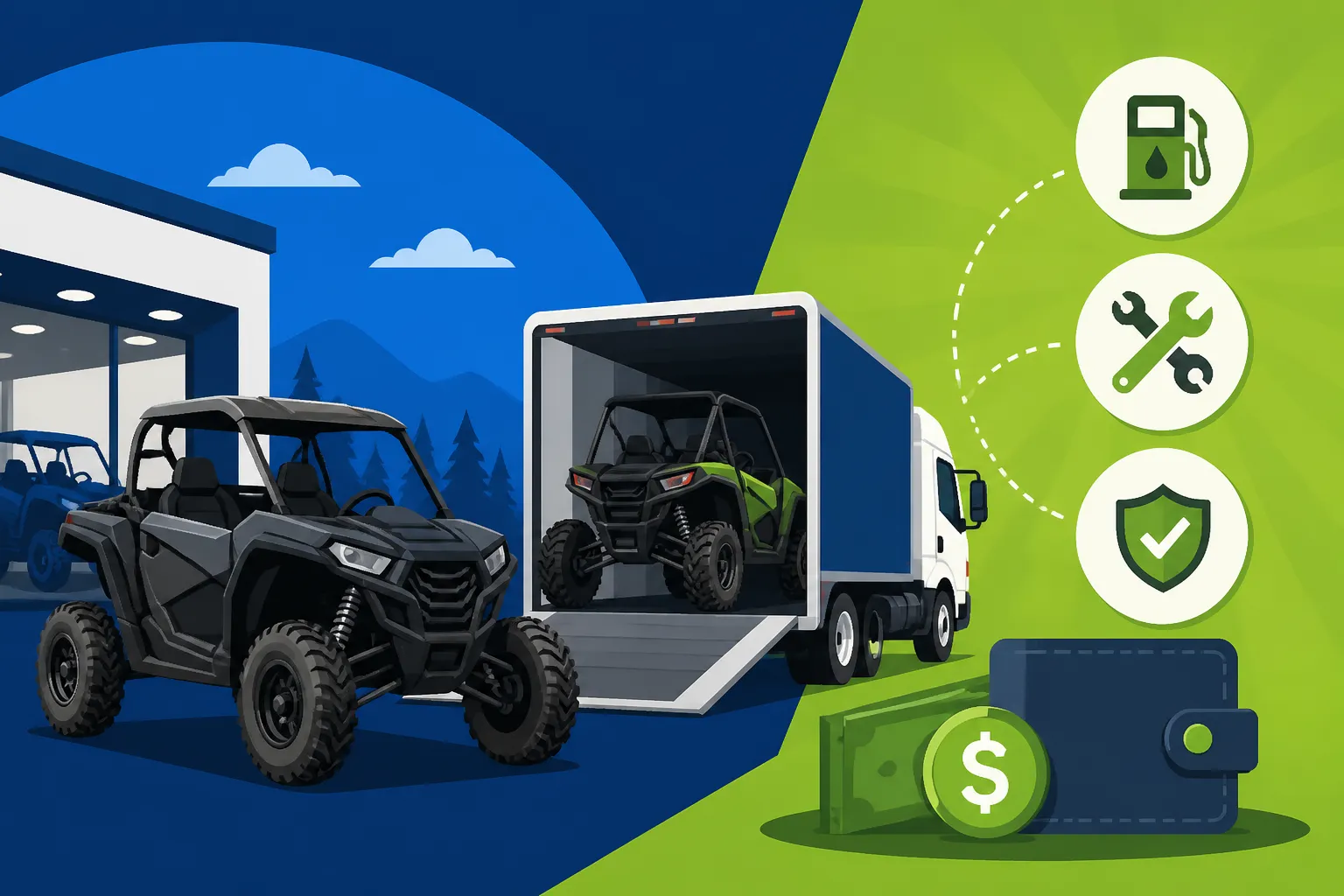
When you see "delivery charge" on your new ATV or side-by-side bill from a Quebec dealer, it’s rarely just the cost of strapping your shiny new machine to a flatbed truck. That term is often a catch-all for a variety of essential services and costs that get your machine from the manufacturer's factory floor to your garage, ready to hit the trails. Understanding what's bundled into this charge can help you budget better and feel more confident about your purchase.
The Many Faces of "Delivery": Beyond the Flatbed Truck
First, let's acknowledge the literal transport aspect. Your ATV or side-by-side isn't magically appearing at the dealership. It's shipped from the factory, often from a great distance. This initial freight cost, from the manufacturer to the dealer's lot, is a real expense for the dealership. It covers the logistics, fuel, and labour involved in moving these large, heavy items across provinces or even international borders. While you might not see it itemized separately, it's a foundational part of that "delivery" line item.
Once the machine arrives, it's typically crated or partially disassembled. This means the dealer has to allocate staff time to uncrate it, assemble the various components (like handlebars, wheels, and racks that might be packaged separately), and get it physically ready to be presented on the showroom floor or in the service bay. This isn't a five-minute job; it requires skilled technicians and can take several hours depending on the complexity of the machine. These are all part of the unglamorous but necessary steps that enable you to eventually take possession of a fully functional vehicle.
Then comes the critical step of the Pre-Delivery Inspection, or PDI. This isn't just a quick once-over; it's a comprehensive checklist mandated by manufacturers to ensure the machine meets all safety and operational standards before it's sold. Technicians will connect the battery, check all fluid levels (engine oil, transmission oil, coolant, brake fluid), ensure all bolts are torqued to specification, verify tire pressures, test lights, brakes, and electrical systems, and make any necessary adjustments to controls. This PDI is crucial not only for your safety and the machine's performance but also often for validating the manufacturer's warranty. Without proper PDI, you could face issues down the line, and your warranty might even be jeopardized. This meticulous process is a key part of what often gets lumped into the "delivery" fee, ensuring that when you drive away, your machine is in top shape, and the [Quebec Dealer Paperwork at Delivery] reflects a machine ready for the trails.
The Hidden Costs: Why These Charges Appear on Your Bill
It's easy to look at a delivery charge and feel like you're paying for something invisible, but these are legitimate business expenses that dealers incur. They cover the wages of the technicians performing the uncrating, assembly, and PDI, the shop supplies used during these processes (like specific lubricants or cleaning agents), and even the administrative time it takes to log the machine into the dealer's inventory system and prepare it for sale. These aren't profit centers in the same way the sale of the machine itself is, but rather cost recovery for necessary services.
Contrast this with buying from a private seller, an option many people consider when looking at [Quebec Private Sale vs Dealer Purchase at the SAAQ]. In a private sale, you won't encounter these "delivery charges" because there's no dealership middleman performing these services. However, that also means you are responsible for verifying the machine's condition, potentially performing your own maintenance checks, and handling all the associated paperwork and risks. The dealer's delivery charge, in essence, is for the peace of mind and professional preparation that comes with buying new from an authorized seller. Without these charges, the dealer would have to absorb significant costs, making their business unsustainable. Sometimes these costs are presented as separate line items, which can be clearer, but often they are bundled, which can lead to buyer confusion if not properly explained.
Understanding Preparation Fees: Getting Your Machine Trail-Ready
Beyond the basic "delivery" and PDI, some dealers may also include "preparation fees" as a separate line item or further bundled within the delivery charge. While PDI is about making the machine functional and safe according to factory standards, preparation fees often cover additional, hands-on work to make your specific purchase personally ready for you and the Quebec trails.
What "Prep" Really Entails Before You Ride Off
"Preparation" in the context of an ATV or side-by-side purchase goes a step further than the standard PDI. This can involve installing any accessories you've purchased with the machine, such as a winch, a tow hitch, handguards, a storage box, or specialized lighting. These installations require additional labour from skilled technicians, and the fee covers their time and any specific hardware or consumables needed for the installation. If you've opted for specific upgrades, these fees ensure they are installed correctly and safely.
Another aspect of preparation might include a short break-in ride conducted by a technician. While not every dealer does this, some will put a few kilometers on the machine to ensure everything is seating properly and operating as it should, especially with new engines and transmissions. They might also perform final adjustments specific to your order or riding style, if discussed, such as adjusting suspension settings or handlebar positions. All of these steps contribute to the machine being truly ready for its first adventure, fulfilling the requirements for [Quebec Registration Before Your First Ride]. These are the meticulous details that ensure you don't just get a machine, but a machine that's ready for your kind of adventure, right from the moment you pick it up.
How Preparation Fees Differ from the Base Price
It’s important to understand that the Manufacturer’s Suggested Retail Price (MSRP) or any advertised price for an ATV or side-by-side typically only covers the cost of the machine itself, often in its basic, un-prepared state. Think of it like buying a new appliance; the price on the tag is for the appliance, but installation, delivery, and extended warranties are usually extra. Preparation fees are specifically designed to cover the labour and parts associated with making the machine not just delivered, but functional and tailored for your immediate use. They ensure that any extra components you chose are integrated seamlessly and that the machine is truly ready for its purpose.
These fees often represent the dealership's investment in skilled labour and specialized tools. While the base delivery charge (freight and PDI) is usually non-negotiable because it covers universal costs, preparation fees might sometimes offer a small amount of flexibility, especially if you're buying a higher-priced machine or during a slower sales period. However, it's generally best to factor these charges into your overall budget from the outset, rather than assuming they can be entirely removed. They are a reflection of the service you receive in getting a fully assembled and customized machine. Don't forget that these are just part of the larger financial picture that includes [Quebec ATV Registration Costs Explained] and [Quebec Sales Tax on an ATV Purchase].
Navigating Dealer Fees: What Else Might You See?
Beyond the initial "delivery" and "preparation" charges, dealerships in Quebec, like anywhere else, may include a few other types of fees on your bill. These can sometimes feel like "extra charges" that crop up at the last minute, but they usually cover specific administrative or regulatory costs that are part of the sales process. Knowing what to expect can help you avoid surprises and understand the full "out-the-door" price.
Beyond Delivery and Prep: Other Common Dealer Charges
One of the most common additional fees you might encounter is a documentation fee, often referred to as a "doc fee" or "admin fee." This charge covers the dealership's cost of preparing, printing, and processing all the necessary paperwork for your purchase. This includes the sales contract, warranty registration forms, and especially the provincial SAAQ registration forms required for your ATV or side-by-side. The dealer handles the complex process of transferring ownership and ensuring all the regulatory boxes are ticked, which saves you a significant amount of time and potential headaches. For a private sale, you might turn to online resources like LawDepot for templates to draft a bill of sale, but with a dealer, they manage all these legal and administrative aspects for you, making sure everything is in order with the SAAQ. This fee covers their time and resources in accurately managing these critical documents.
Another fee that can appear is a general administration fee. While similar to documentation fees, this can encompass broader overhead costs related to the sales department's operations, such as customer service, sales support, or even maintaining the sales facility. It's often a fixed fee that helps cover the non-commissionable work involved in facilitating a sale. You might also see environmental fees. These are often small, regulated charges for things like tire disposal, battery recycling, or hazardous waste disposal associated with new vehicles. These are typically government-mandated or industry-standard fees passed directly to the consumer. Lastly, sometimes a small fuel surcharge might be included if the dealership provides your new machine with a full tank of gas, which is a nice gesture but sometimes appears as a separate line item. These fees can vary significantly from one dealership to another and across different brands, so always ask for clarity. Understanding [Quebec Dealer Fees to Expect] upfront is crucial.
Negotiating the Final Price: Where Delivery Charges Fit In
When you're ready to buy, the key is to ask for a full, itemized breakdown of all charges before you shake hands on a deal. Don't just focus on the advertised price of the machine. Ask for the "out-the-door" price, including all fees, taxes, and registration costs. While the core "delivery" charges (freight from the factory and mandatory PDI) are typically non-negotiable and fixed by the manufacturer or dealership policy, other fees, like certain preparation fees or general administration fees, might have some flexibility.
Your ability to negotiate these ancillary fees can depend on several factors: the demand for the specific model, the time of year (dealers might be more flexible during slower seasons), and your overall leverage as a buyer. Sometimes, instead of reducing a specific fee, a dealer might offer to throw in a small accessory or discount another item to make up for it. The best strategy is to be informed, polite, and firm. If a dealer is evasive or adds significant, unexplained fees at the very last minute, it might be a red flag. Always factor these charges into your overall budget before you commit. Remember, this total goes beyond just the sticker price; it includes everything from the machine itself to all the associated fees and taxes. Your goal is to get the best possible total price, so ensure all these charges are transparently laid out. This forms a major part of [Negotiating a Final Price] when buying a new machine.
The Bottom Line: Total Cost of Ownership Starts Here
Buying an ATV or side-by-side is an exciting venture, and knowing exactly what you're paying for makes the experience much smoother. The charges beyond the advertised price aren't always fun to see, but they do cover real services and administrative costs that ensure your machine is safe, ready, and legally registered.
Why Transparency Matters: Your Right as a Buyer
As a consumer in Quebec, you have every right to understand precisely what you're being charged for. Don't ever feel rushed or embarrassed to ask for a detailed, itemized breakdown of the full "out-the-door" price. A reputable dealer will be transparent about their fees and happy to explain each one, helping you understand the value you're receiving for each charge. If a dealer is vague, dismissive, or adds surprise fees at the very end of the purchasing process, it's a significant red flag. It's perfectly acceptable to pause, review the numbers, and even walk away if you're not comfortable with the lack of transparency. Empower yourself with information and insist on clear communication, even when discussing seemingly minor points like [Documents to Bring to a Service Counter] or [What a Dealer Must Disclose]. This level of clarity helps build trust and ensures you leave feeling good about your purchase.
Budgeting for the Real Price: Beyond the Sticker
Ultimately, the initial price you see advertised for an ATV or side-by-side is just one component of your total investment. The delivery, preparation, and administrative fees, along with taxes and registration, all add up to the final figure you'll pay. To help you visualize this, here's a general breakdown:
| Component | What It Is | Applies to Dealer Purchase? | Applies to Private Sale? | Negotiable? (Generally) |
|---|---|---|---|---|
| MSRP / Advertised Price | Base cost of the machine (new) or agreed-upon price (used) | Yes | Yes (used price instead) | Yes (dealer-specific) |
| Freight / Delivery Charge | Transport from factory to dealership; uncrating, basic setup | Yes | No | Rarely |
| PDI (Pre-Delivery Inspection) | Assembly, comprehensive safety checks, fluid top-ups, adjustments | Yes | No (buyer's responsibility) | Rarely |
| Preparation Fees | Installation of accessories, specific custom adjustments, test ride | Yes | No (buyer's responsibility) | Sometimes |
| Documentation Fees | Processing of sales contracts, SAAQ forms, warranty registration | Yes | No (DIY forms or third party) | Sometimes |
| Administration Fees | General dealership overhead for sales process | Yes | No | Sometimes |
| Environmental Fees | Charges for tire, battery, and waste disposal | Yes | Sometimes (e.g., tire levy) | No |
| Sales Tax (GST/QST) | Provincial and federal sales taxes | Yes | Yes (on declared value) | No |
| Registration Fees (SAAQ) | Annual registration and mandatory liability insurance | Yes | Yes (after purchase) | No |
When you're planning your purchase, always budget for the "out-the-door" price, not just the sticker price. This includes not only all these dealer and government fees but also immediate post-purchase costs like [Quebec Insurance Minimum for an Owner] (if you opt for more than the SAAQ minimum) and, most importantly, your [Quebec's Annual FQCQ Trail Pass] if you plan to ride on the extensive federated trail network. Being prepared for these costs from the start will make your buying experience much more enjoyable and set you up for many happy kilometers on the Quebec trails! Remember, if you're considering [Buying From a Neighbour Instead of a Dealer], the cost structure will be very different, with more responsibilities falling on your shoulders.
Disclaimer
This article is for general informational purposes only and does not constitute professional advice. Laws, prices and regulations vary by location and change over time. Consult a qualified professional for guidance on your specific situation.