A Quebec Machine Left in a Will
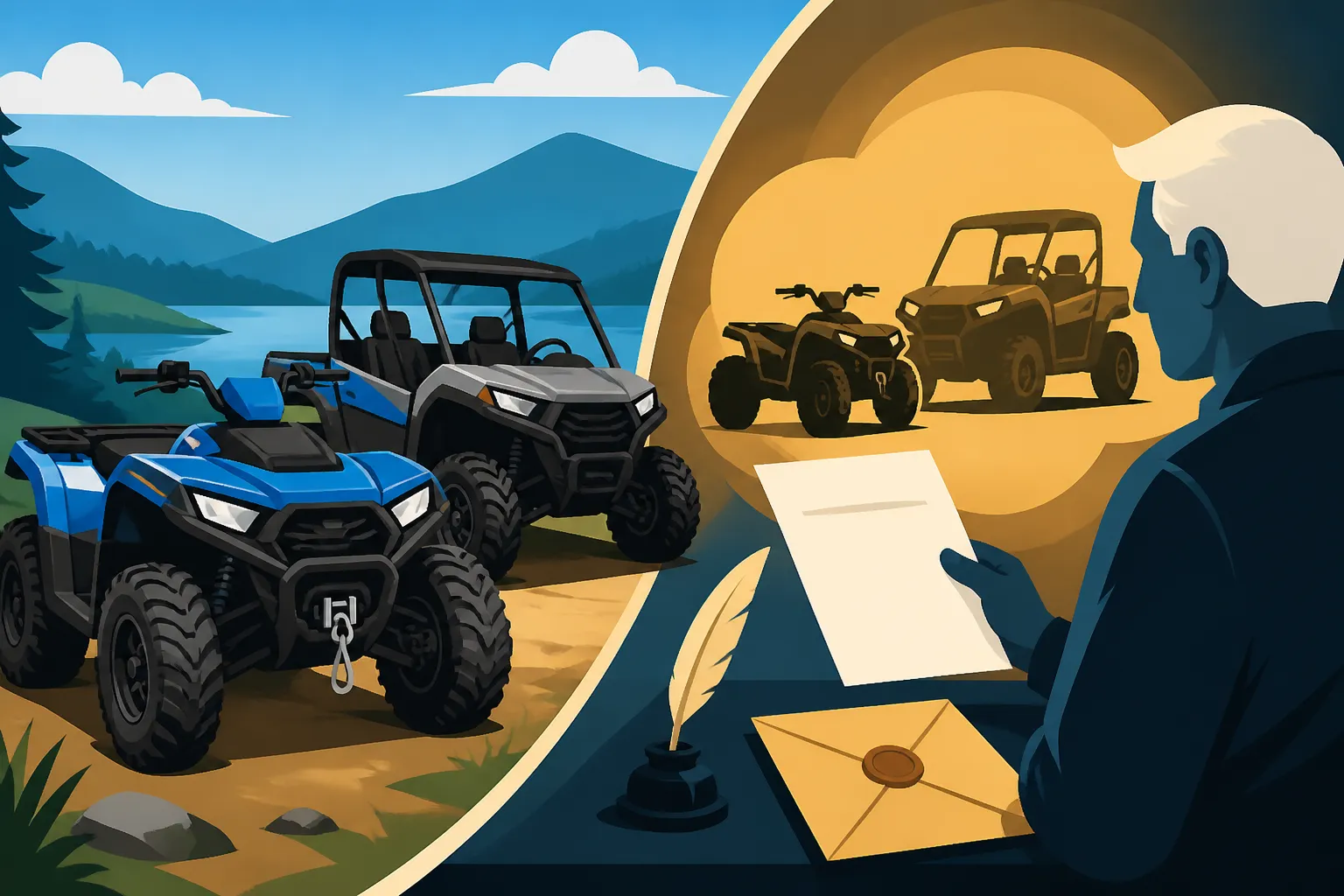
Inheriting an off-road machine in Quebec – a quad (VTT) or side-by-side (VHR) – can feel like navigating a maze, especially during an already emotional time. You've just lost someone, and now you're faced with questions about paperwork, the SAAQ, and what to do with a machine that likely holds significant sentimental value, not to mention practical considerations. This guide is here to walk you through the often-confusing process of handling a Quebec ATV or UTV that has been left to you in a will, from understanding the initial estate steps to getting that machine legally into your name.
Understanding the Initial Situation: The Estate and the Machine
When an off-road vehicle is part of an inheritance, the first steps involve understanding the deceased's estate and the specific legal framework in Quebec. It's not just about finding the keys; it's about following a precise process to ensure a smooth transfer.
Locating the Will and Appointing a Liquidator
The very first thing you'll need is the deceased person's last will and testament. This document is paramount, as it clearly outlines who inherits the ATV or UTV. In Quebec, the person responsible for settling the estate is called a liquidator, not an executor. This individual (or sometimes multiple individuals) is appointed in the will and is legally tasked with administering the estate, paying debts, and distributing assets according to the will's instructions. If you're the one inheriting the machine, you'll be working closely with this person.
The liquidator has a big job on their hands, and dealing with specific assets like an ATV requires them to follow proper procedures. They'll need to go through the necessary steps to validate the will and get legal authority to act on behalf of the estate. This might involve a formal probate process through the courts, depending on the will's specifics and the size of the estate. Having these legal ducks in a row is crucial before any actual transfer of the machine can take place. Resources like LawDepot can provide useful templates for official letters or documents the liquidator might need to formalize their role.
Verifying Ownership and Machine Status
Once the liquidator is appointed, one of their key tasks is to confirm that the deceased was indeed the registered owner of the ATV or UTV. This means checking the original registration papers issued by the SAAQ (Société de l'assurance automobile du Québec). You'll want to ensure the serial number on the machine matches the paperwork and that there are no outstanding liens against the vehicle. A lien means someone else has a financial claim on the machine, which would need to be settled by the estate before it can be fully transferred to you.
It's also a good time to assess the machine's condition. Has it been sitting for a while? Does it need repairs? While not directly part of the transfer process, understanding the machine's state can inform your decisions moving forward, especially if you plan to keep it or sell it. The SAAQ is the registrar and insurer for off-road vehicles in Quebec, so having clear, undisputed ownership documentation is the foundation for any next steps. This step is a critical part of [Quebec Registration and Proof of Ownership].
The Role of the Liquidator in Quebec Estates
In Quebec, the "liquidator" (previously known as an executor) is the legal representative of the deceased's estate. Their duties are extensive, covering everything from identifying all assets and debts to filing tax returns for the deceased and, finally, distributing the remaining property to the heirs. When it comes to a specific item like an ATV, the liquidator will be the one who formally executes the transfer. They'll need to provide documentation to the SAAQ confirming their authority and that the machine is indeed part of the inheritance being passed to you.
The liquidator's involvement ensures that the transfer is done legally and according to the wishes expressed in the will. They will need to sign off on any transfer documents and possibly provide certified copies of relevant legal papers, such as the will itself or court orders validating their appointment. Without their formal involvement, the SAAQ simply won't be able to process the transfer, as they need assurance that the person initiating the change has the legal right to do so. This is a nuanced aspect of Quebec law that differs from some other jurisdictions.
Navigating the SAAQ for Transfer of Ownership
Once the estate's initial legalities are handled, your focus shifts to the practical side of getting the ATV's registration into your name at the SAAQ. This is where the rubber meets the road, so to speak, and you'll need to be prepared.
Essential Documents for an Inheritance Transfer
To transfer the registration of an inherited ATV or UTV at the SAAQ, you'll need a very specific set of documents. Think of it as building a case for your claim, piece by piece. First and foremost, you'll need a certified copy of the deceased's will, clearly stating that you are the beneficiary of the off-road vehicle. If the will isn't clear or if there are multiple heirs, the liquidator might also need to provide a document outlining the distribution of assets. Next, you'll need proof of the liquidator's appointment and their acceptance of the role – often a notarized letter or a court order.
You'll also need the existing SAAQ registration certificate for the ATV or UTV, which would have been in the deceased's name. Don't forget your own identification and proof of address. The SAAQ wants to make sure you are who you say you are and that you reside in Quebec. Finally, and crucially, you'll need a completed SAAQ form for a transfer of ownership due to an inheritance. This isn't your standard private sale form; it's a specific document acknowledging the unique circumstances. Gathering all these documents diligently before your visit will save you immense time and frustration. For a comprehensive list of what to bring, check out [Documents to Bring to a Service Counter].
The SAAQ Process for an Inherited VHR
With all your documents in hand, you'll need to visit an SAAQ service counter. The process generally involves presenting all the required paperwork to a clerk. They will review the will, the liquidator's authorization, and the existing registration. The clerk will verify that you are the rightful heir as per the will and that all conditions for transfer have been met. This isn't a quick in-and-out visit; the SAAQ clerk will often take extra time to ensure all the legal details are accurate because it's not a straightforward "buy/sell" transaction.
During this visit, the SAAQ will process the transfer of the VHR (Véhicule Hors Route) plate and registration into your name. This is where the machine effectively becomes legally yours. You'll be issued a new registration certificate. It’s important to understand that the SAAQ functions as both the registrar and, for liability, a mandatory insurer for off-road vehicles. So, at this point, you'll also ensure that the mandatory [Quebec's Liability Insurance Rule] is in place for your machine, which typically comes with the registration. This is crucial as you cannot legally operate the machine without it.
Addressing Specific Challenges
Sometimes, the path isn't so clear-cut. What if there's no will? In Quebec, if a person dies without a will, their estate is settled according to the provisions of the Civil Code of Quebec. This means the assets are distributed to legal heirs in a specific order (spouse, children, parents, etc.). In such cases, the process becomes more complex, requiring a "declaration of heirship" and often a court order to confirm who the legal heirs are and who is appointed as the liquidator. This adds layers of legal work before the SAAQ can even consider a transfer.
Another common challenge arises when there are multiple heirs. Perhaps the will states the ATV is to be shared, or it's simply part of the remaining assets to be divided. The liquidator will need to formalize how the machine is to be distributed. If one heir wants the machine, they might have to buy out the others' shares, or it might be sold, and the proceeds distributed. In any scenario involving multiple heirs, a written agreement or a formal document from the liquidator outlining the distribution is essential for the SAAQ. The goal is always to have a clear, single owner for the registration.
Insurance, Taxes, and Ongoing Responsibilities
Getting the registration transferred is a significant hurdle, but it's not the end of the road. You'll also need to consider insurance, potential taxes, and the ongoing responsibilities of owning an off-road vehicle in Quebec.
Securing New Liability Insurance
Even though the SAAQ provides mandatory basic liability insurance with your registration, it's vital to confirm your coverage. This is a critical point: [Quebec's SAAQ Is Registrar and Insurer] in one, meaning a portion of your registration fee goes towards providing a basic minimum liability coverage. However, many riders find this basic coverage isn't enough for their needs. The minimum liability coverage in Quebec rose, and now it is a [Quebec Liability Minimum Rose to $1 Million]. This minimum covers damages you might cause to others or their property.
For comprehensive coverage that protects your own machine against theft, damage, or collision, you'll need to purchase additional private insurance. Many companies offer specialized off-road vehicle insurance. You should contact an insurance broker or provider to discuss your options and ensure you have adequate protection, especially if the inherited machine is valuable or you plan on riding frequently. Don't assume the SAAQ's basic coverage is all you need; it's just the starting point.
Understanding Applicable Taxes and Fees
When transferring an inherited ATV or UTV, you might be wondering about taxes. Generally, when an off-road vehicle is directly gifted or inherited through a will, sales tax (QST and GST/HST) is often not applicable on the transfer itself, unlike a traditional purchase. This is because no "sale" is occurring in the commercial sense. However, this is a nuanced area, and it's always wise to confirm with the SAAQ directly or consult a tax professional.
You will, however, be responsible for the SAAQ's registration transfer fees and the annual registration cost. These fees contribute to the administration of the off-road vehicle system and the mandatory liability insurance. The SAAQ publishes its rate grids, so you'll know exactly what to expect. Remember, the goal is to get the [Quebec ATV Registration Costs Explained] before you head to the counter, so there are no surprises.
Planning for Future Use and Registration Renewal
Once the machine is in your name, you'll become responsible for all aspects of its ownership. This includes the annual registration renewal. The SAAQ sends out renewal notices, usually by mail, reminding you when it's time to renew your VHR plate. Missing these deadlines can lead to fines if you're caught riding an unregistered machine. For more on this, look into [Quebec ATV Registration Renewal Each Year].
Beyond registration, consider your riding plans. Do you intend to use the machine on federated trails? If so, you'll need to purchase an FQCQ (Fédération Québécoise des Clubs Quads) trail pass annually. This pass is essential for legal access to the vast network of trails across Quebec. If you're new to riding or the specific regulations, it’s a good idea to familiarize yourself with [Quebec VHR Plates Explained] and how the entire system works. Owning an off-road vehicle comes with responsibilities, and staying informed is key.
What to Do if You Decide to Sell the Inherited Machine
It’s completely understandable if, after inheriting an ATV or UTV, you decide it's not for you, or perhaps you already have a machine. Selling an inherited off-road vehicle involves its own set of considerations.
Selling Before or After Transferring Ownership
You essentially have two main options if you decide to sell the inherited machine:
- Transfer ownership to yourself first, then sell it: This is generally the cleaner and more straightforward approach. By registering the machine in your name, you become the legal owner, and you can then proceed with a standard private sale. This means you'll provide the buyer with a registration certificate in your name, along with a bill of sale that you've signed. The SAAQ process for the buyer will be simpler, as they are purchasing from the registered owner. This also allows you to handle any minor repairs or clean-up before selling, potentially increasing its value. This falls under the general process of [Quebec Registration Transfer After a Sale].
- Sell it directly from the estate (with the liquidator's involvement): This can be done, but it's more complex. The liquidator would need to manage the sale, providing documentation from the estate (like a certified copy of the will and their appointment) to the buyer. The bill of sale would be issued by the estate, signed by the liquidator. While possible, many buyers might prefer dealing with a clear individual owner, and the paperwork can be more cumbersome. For this reason, transferring it to your name first is often recommended for simplicity.
Before making a decision, discuss it thoroughly with the estate's liquidator, as their sign-off will be required either way.
Preparing for a Private Sale in Quebec
If you decide to sell the machine after transferring it into your name, preparing for a private sale in Quebec is similar to selling any other used off-road vehicle. You'll need a clear bill of sale, often using a template (which you can find online or through services like LawDepot), detailing the machine's information, the sale price, and the buyer's and seller's details. Remember to keep a copy for your records. The SAAQ has specific requirements for the [Quebec SAAQ Forms for a Private Sale], so make sure you use the correct version.
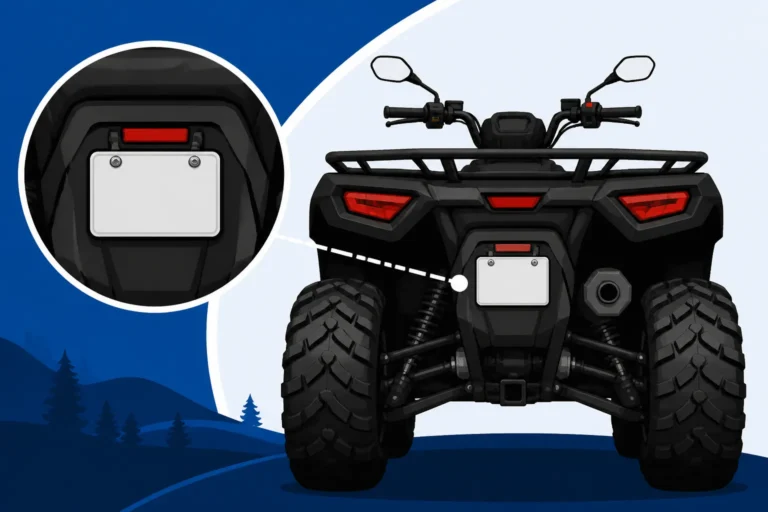
As the seller, you're also responsible for removing your VHR plate and returning it to the SAAQ to cancel your registration. This officially ends your responsibility for the machine. The buyer will then take the bill of sale, their identification, and proof of address to the SAAQ to register the machine in their name and obtain a new plate. They will also pay the applicable sales taxes on the purchase price.
Here’s a quick overview of the key documents and actions involved:
| Action/Document | Description | Responsible Party | Timing |
|---|---|---|---|
| Will (Certified Copy) | Legal document identifying the beneficiary of the ATV/UTV. | Liquidator provides | Required for SAAQ transfer |
| Liquidator's Proof | Document confirming the liquidator's legal authority to act on the estate's behalf. | Liquidator provides | Required for SAAQ transfer |
| Old SAAQ Registration | The registration certificate in the deceased's name. | Inheritor (or Liquidator) provides | Required for SAAQ transfer |
| Inheritor's ID/Proof | Valid driver's license and proof of Quebec residency for the new owner. | Inheritor provides | Required for SAAQ transfer |
| New SAAQ Registration | Issued to the inheritor upon successful transfer. | SAAQ | Upon completion of transfer |
| Liability Insurance | Mandatory basic coverage included with SAAQ registration. | SAAQ (included) + Inheritor (for additional coverage) | In effect immediately after transfer |
| Annual Renewal | Yearly renewal of VHR plate and mandatory liability. | Inheritor | Annually, according to SAAQ notices |
| Bill of Sale | If selling: document detailing the private sale transaction. | Inheritor (as seller) or Liquidator (if selling from estate) | Required for buyer's SAAQ registration if sold |
| Plate Return | If selling: return VHR plate to SAAQ to cancel registration. | Inheritor (as seller) | After sale of machine |
Dealing with an inherited off-road machine in Quebec can be a detailed process, but by understanding the steps, gathering the correct documentation, and working with the estate's liquidator, you can navigate it successfully. Whether you plan to cherish the machine for years to come or pass it on to a new owner, having its legal status clear is the most important first step.
Disclaimer
This article is for general informational purposes only and does not constitute professional advice. Laws, prices and regulations vary by location and change over time. Consult a qualified professional for guidance on your specific situation.