What VTT Means on a Sign
It can be incredibly frustrating to encounter signs out on the trails or along rural roads and not quite grasp their full meaning, especially when you're trying to enjoy a ride in a new area. If you've been exploring Quebec's vast network of off-highway vehicle paths, chances are you've seen the letters "VTT" prominently displayed on signs and wondered what exactly they signify for your ride. This guide is here to demystify "VTT" for good, helping you understand its legal implications, why it's so pervasive in Quebec, and what it means for every single one of your adventures.
What "VTT" Actually Means in Quebec's Off-Highway World
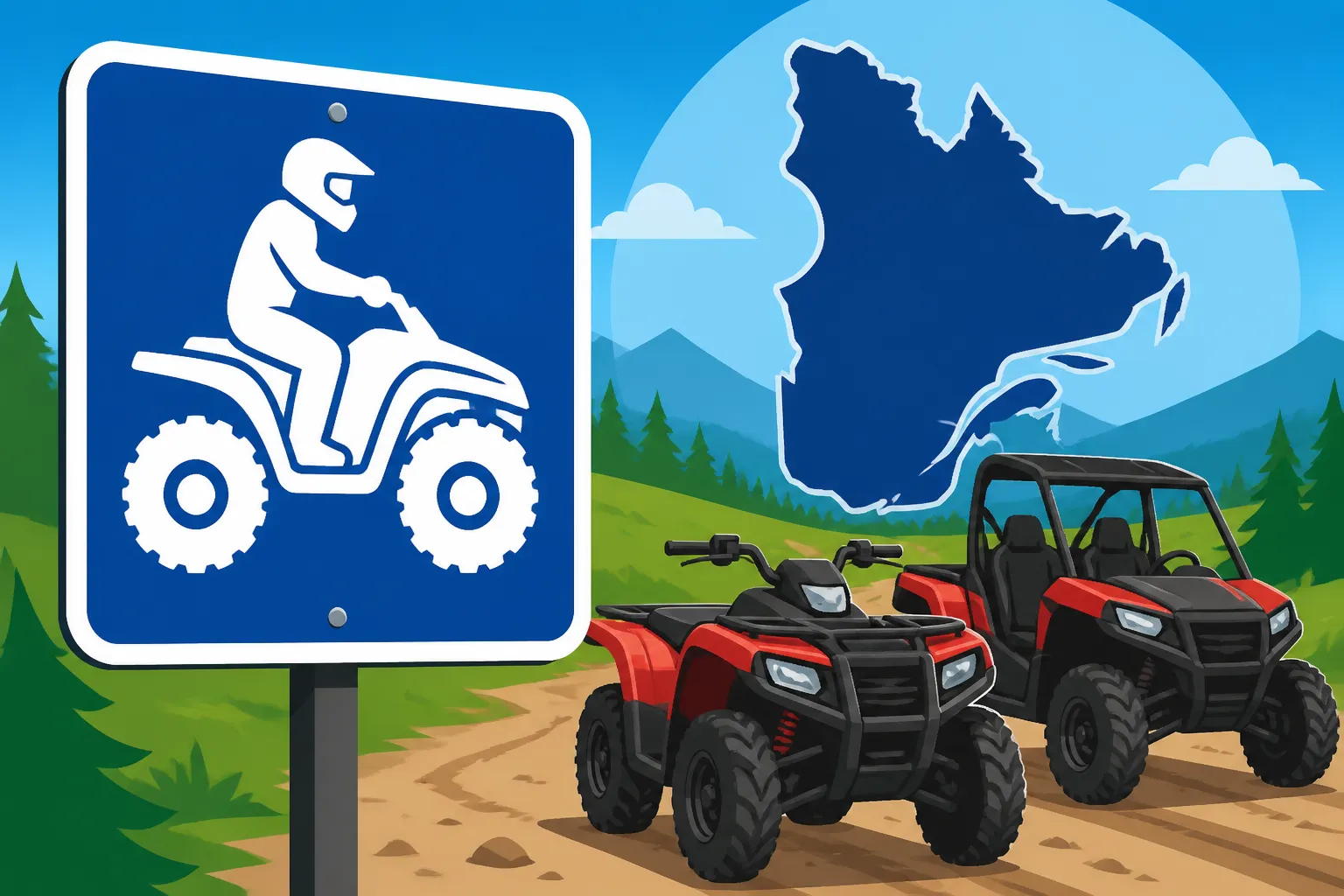
When you see "VTT" emblazoned on a sign in Quebec, whether it's marking a trail, indicating a road crossing, or designating a specific zone, it stands for Véhicule Tout-Terrain. Directly translated from French, this means "all-terrain vehicle." But in the context of Quebec's regulations and trail system, it's the official, overarching term used to describe what many people commonly refer to as an ATV (All-Terrain Vehicle) or a side-by-side (SxS or UTV). It's not just a casual term; it's the legal and federated designation for these types of machines.
This formal terminology is crucial because it sets the stage for how these vehicles are regulated, where they can be ridden, and what responsibilities their operators bear. So, when you're out there, know that "VTT" isn't just another word for your quad; it's Quebec's way of categorizing the machines that bring us so much joy on the trails and in the backcountry.
Decoding the Acronym: Véhicule Tout-Terrain
The term Véhicule Tout-Terrain is deeply embedded in Quebec's legislation concerning off-highway vehicles. It's the official moniker used by the Société de l'assurance automobile du Québec (SAAQ), the provincial body responsible for registration and insurance, as well as by the Fédération Québécoise des Clubs Quads (FQCQ), which manages the extensive trail network. Unlike "ATV," which is an English-specific acronym, VTT is a French term that precisely captures the essence of these machines' capability to traverse various types of terrain.
Understanding this acronym is the first step in truly appreciating the regulatory landscape of Quebec. It underlines the province's distinct approach to recreational and utility vehicles, emphasizing their all-terrain nature. This consistent use ensures clarity across all official documents, signage, and communications, making it easier for local authorities and trail patrols to enforce the rules. For more on this, you might find [Quebec Calls an ATV a VTT] particularly insightful.
VTT vs. Quad vs. Side-by-Side: Clarifying the Distinctions
While "VTT" is the official umbrella term, the world of off-highway vehicles is diverse, encompassing various machine types. A "quad" typically refers to a four-wheeled ATV where the rider straddles the seat, uses handlebars for steering, and typically carries one or two passengers in tandem. These are the classic machines many of us grew up riding.
A "side-by-side," also known as a UTV (Utility Terrain Vehicle), is different. It features a steering wheel, foot pedals (like a car), and side-by-side seating for passengers, often with a roll cage for added safety. These machines often have a greater cargo capacity and can be used for both recreation and work. The important thing to remember is that whether you're on a traditional quad or a more modern side-by-side, in Quebec, both fall under the broad and official category of "VTT." The rules you see on signs, therefore, apply to both machine types, with a few specific nuances concerning age and passenger capacity for side-by-sides.
Why You See "VTT" Signs on Quebec Trails
Quebec boasts one of the most extensive and well-maintained off-highway vehicle trail networks in North America, managed primarily by the Fédération Québécoise des Clubs Quads (FQCQ). These trails traverse vast and diverse landscapes, from dense forests to rolling farmlands, and often intersect with public roads or pass near private property. The ubiquitous "VTT" signs serve as critical navigation and regulatory tools, ensuring that riders are aware of where they are allowed to ride, what rules apply, and what dangers might lie ahead.
These signs are more than just markers; they are a direct communication from the trail managers and provincial authorities to the riding community. They represent the culmination of land-use agreements, safety regulations, and a concerted effort to provide a safe and enjoyable riding experience for everyone. Without clear and consistent signage, managing such a vast network, shared by thousands of riders annually, would be an impossible task.
The Federated Trail Network and Its Signage
The FQCQ, through its network of over 100 local clubs, maintains thousands of kilometres of federated trails across Quebec. This network is a privilege, built and maintained by volunteers and funded by trail pass sales. [Quebec ATV Trails: The FQCQ Network] explains this in more detail. The "VTT" signs you encounter on these trails are standardized across the province, ensuring that whether you're riding in the Laurentians or the Gaspésie, the meaning of a sign remains consistent.
These signs indicate authorized access, speed limits, upcoming hazards, and areas where special caution is required. They guide riders through junctions, remind them of environmental sensitivities, and direct them away from unauthorized areas. Adhering to these signs isn't just about following the rules; it's about respecting the hard work of the clubs, the landowners who grant access, and the safety of all trail users. Every sign is placed for a reason, often to prevent accidents, minimize environmental impact, or ensure harmonious coexistence with local communities.
Road Access and Municipalities: Where VTT Signs Guide You
One of the unique aspects of riding in Quebec is the limited but crucial access to certain public roads. The law allows VTTs to use public roads under specific conditions, primarily for crossing roads or for short distances (up to one kilometre) to link trail sections. This is where "VTT" signage becomes absolutely critical. You'll see signs indicating authorized road crossings, short stretches where VTTs can travel on the shoulder, or even specific routes designated by municipalities.
These signs clarify precisely where VTTs are permitted to operate on or alongside public thoroughfares. Ignoring these signs can lead to fines and dangerous situations, as public roads are not generally open for VTT travel. Understanding the specific permissions and restrictions, often communicated through these VTT signs, is paramount for riders who wish to legally and safely navigate these transitional zones. Check out [Quebec Municipal Road Access Up to 1 Kilometre] for more information on these specific rules.
VTT and the Law: What it Means for Riders
The presence of "VTT" on signage isn't just about identification; it's a direct reference to the legal framework governing off-highway vehicles in Quebec. Every time you see that acronym, it's a reminder that you are operating a regulated machine on designated paths, and with that comes a set of legal responsibilities and requirements. Ignoring the significance of these signs, or the laws they represent, can lead to serious consequences, including substantial fines and potential legal issues.
Quebec has specific legislation, notably the Act respecting off-highway vehicles (often referred to as the LVHR), that dictates everything from registration and insurance to age limits and equipment requirements. The signs are visual cues that trigger these legal obligations, reinforcing the importance of being properly equipped, licensed, and informed before you hit the trails. For riders, understanding this legal connection is fundamental to safe and compliant riding.
Legal Definitions and Requirements for VTTs
Under Quebec law, a Véhicule Tout-Terrain is clearly defined, and operating one comes with mandatory requirements. This includes registering your machine with the SAAQ, ensuring it has valid liability insurance (the minimum liability recently increased significantly), and that you carry proof of these documents with you. Furthermore, specific equipment like working headlights, taillights, a muffler, and a mirror are often required. Even the type of driver's license you need to operate a VTT is specified.
The legal framework is comprehensive, aiming to ensure safety for riders, other trail users, and the public. These legal definitions and requirements are indirectly what the "VTT" signs on the trail refer to; they designate areas where these laws are actively enforced. While LawDepot offers excellent templates for various legal documents, such as bills of sale or equipment rental agreements, it's the SAAQ's official stance on VTTs that governs your on-trail experience. Familiarizing yourself with [Quebec's Off-Highway Vehicle Act and Your Papers] is highly recommended to stay compliant.
Penalties for Non-Compliance on VTT Paths
Riding a VTT in Quebec isn't just about having fun; it's about respecting a regulated environment. Failure to adhere to the rules communicated by "VTT" signs or the underlying provincial laws can result in significant penalties. These can range from fines for riding without a valid trail pass, operating an unregistered machine, or not carrying the required insurance, to more severe consequences for impaired riding or dangerous operation.
For example, venturing onto a public road where VTT access is explicitly denied by signage can lead to fines under the Highway Safety Code in addition to the Off-Highway Vehicle Act. Trail patrols, who are often peace officers, have the authority to issue tickets and, in some cases, even impound machines for serious infractions. Understanding what [Quebec Fines for Riding Unregistered] entail, or the costs associated with other violations, can be a sobering reminder of the importance of respecting VTT signage.
Practical Implications of VTT Signage for Riders
Beyond the legal definitions and reasons for their existence, "VTT" signs have very real, practical implications for every rider. They are your primary guide when navigating the vast Quebec trail system, providing real-time information that impacts your safety, route choices, and overall enjoyment. Learning to read and respond to these signs effectively is a fundamental skill for anyone riding in the province, ensuring you have a smooth, legal, and accident-free adventure.
It’s not just about avoiding fines; it’s about being a responsible member of the riding community. These signs are often the result of careful planning, risk assessments, and community input, designed to make the experience better for everyone. By understanding them, you contribute to the longevity and accessibility of the trails we all love.
Interpreting Trail Signage: Speed Limits, Direction, and Hazards
When you encounter a "VTT" sign, it's often accompanied by other crucial information. A sign indicating "VTT" might also include a speed limit (e.g., "50 km/h"), which is the maximum speed permitted on that section of the trail. You'll also see directional arrows guiding you through intersections or marking specific circuits. Hazard signs, like those indicating sharp turns, steep grades, or obstacles, are equally important.
Furthermore, many signs, particularly in areas where trails share corridors or cross public land, might specify multi-use rules or highlight sensitive areas. It's important to remember that most trail signage in Quebec will be in French, so a basic understanding of common terms like "Arrêt" (Stop), "Danger," or "Chemin Privé" (Private Road) can be incredibly beneficial. For an in-depth look at what to expect, refer to [Quebec Trail Signage in French].
Safety and Responsibility on Designated VTT Paths
Ultimately, "VTT" signs are a cornerstone of rider safety and responsibility in Quebec. They are there to protect you, other riders, and the environment. By adhering to the instructions on these signs, you play a direct role in preventing accidents, minimizing environmental impact, and maintaining positive relationships with local communities and landowners. This includes understanding the rules around equipment, such as [Quebec Helmet and Visor Rules], which are vital for your personal safety.
A VTT sign authorizing your presence on a trail also implies that you are expected to operate your machine safely, within your skill level, and with consideration for others. This means maintaining appropriate speeds, giving way to oncoming traffic, and not riding after hours if explicitly prohibited. Your compliance with these signs is a testament to your respect for the privilege of riding on Quebec's beautiful VTT trails. It helps ensure that these incredible recreational opportunities remain open and accessible for generations to come.
Common VTT Signage Examples and Their Meanings
To help solidify your understanding, here's a quick reference table of some common VTT-related signs you might encounter in Quebec and what they typically mean for your ride. Keep in mind that while these are standard, local clubs may have additional signage for specific conditions.
| Sign / Symbol | Meaning for VTT Riders | Important Action / Implication |
|---|---|---|
| VTT (often with an arrow) | Designated VTT trail or authorized access point. | You are permitted to ride here; follow all associated rules. |
| Vitesse Limite 50 km/h | Maximum speed limit of 50 km/h. | Adhere to this speed for safety and legal compliance. |
| Arrêt (Stop sign) | Mandatory stop. | Come to a complete stop before proceeding, often at road crossings or intersections. |
| Accès Interdit | No entry or access prohibited. | Do not enter this area; it's illegal or unsafe for VTTs. |
| Partage Sentier | Shared trail. | Be aware of other users (snowmobiles in winter, hikers, cyclists, wildlife); reduce speed and maintain caution. |
| Sens Unique (One Way) | One-way trail traffic. | Ride only in the direction indicated; do not go against traffic. |
| Courbe Dangereuse (Curve) | Dangerous curve ahead. | Reduce speed and prepare for a sharp turn. |
| VTT Seulement (VTT Only) | Area exclusively for VTTs. | No other vehicle types are permitted here. |
| Attention Résidentiel | Caution, residential area. | Reduce noise and speed, be mindful of homes nearby. |
| Fermé Saison (Closed Season) | Trail is closed for the season (e.g., spring thaw). | Do not ride on closed trails; significant fines apply. |
Navigating Quebec's VTT trails is a fantastic experience, offering breathtaking scenery and endless adventure. By understanding the simple but critical meaning of "VTT" on signs, and the comprehensive regulatory framework it represents, you're not just riding; you're doing so as a knowledgeable and responsible member of the Quebec off-highway vehicle community. Ride safe, and enjoy the beautiful trails!
Disclaimer
This article is for general informational purposes only and does not constitute professional advice. Laws, prices and regulations vary by location and change over time. Consult a qualified professional for guidance on your specific situation.